Dr. Brown’s Bottle Color Decision Tool
Confused by the color options? You're not alone. While both bottles use the same patented anti-colic vent system, your choice might depend on logistics, aesthetics, or cleaning habits. Select the scenario that best fits your situation below to get a tailored recommendation.
The Practical Parent
I prioritize easy replacement parts, hiding milk stains, and standard supermarket availability.
The Aesthetic/Organic Fan
I prefer the look in my nursery, found a great starter kit deal, or associate green with 'natural' feeding.
The Organizer
I want to distinguish between breast milk and formula without using labels at 3 AM.
Recommendation
Quick Feature Comparison
| Feature | Green Bottles | Blue Bottles |
|---|---|---|
| Vent Technology | Patented Internal Vent (Same) | Patented Internal Vent (Same) |
| Material Safety | BPA-Free Polypropylene | BPA-Free Polypropylene |
| Cleaning Difficulty | High (Vent brush required) | High (Vent brush required) |
| Stain Visibility | Higher (May yellow over time) | Lower (Hides milk residue better) |
| Typical Availability | Starter Kits / Eco Packs | Supermarket Multi-packs |
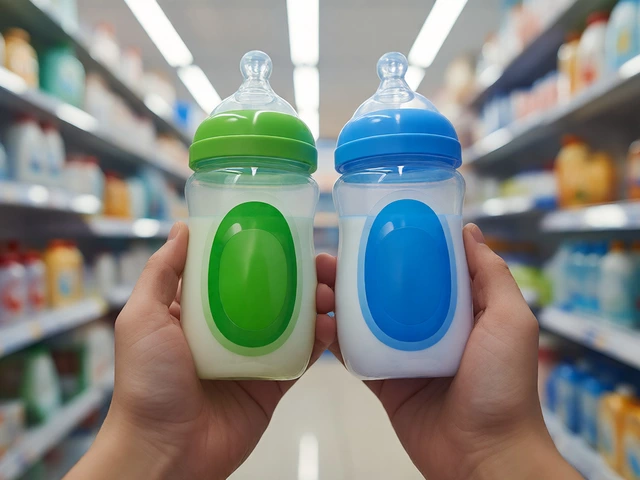
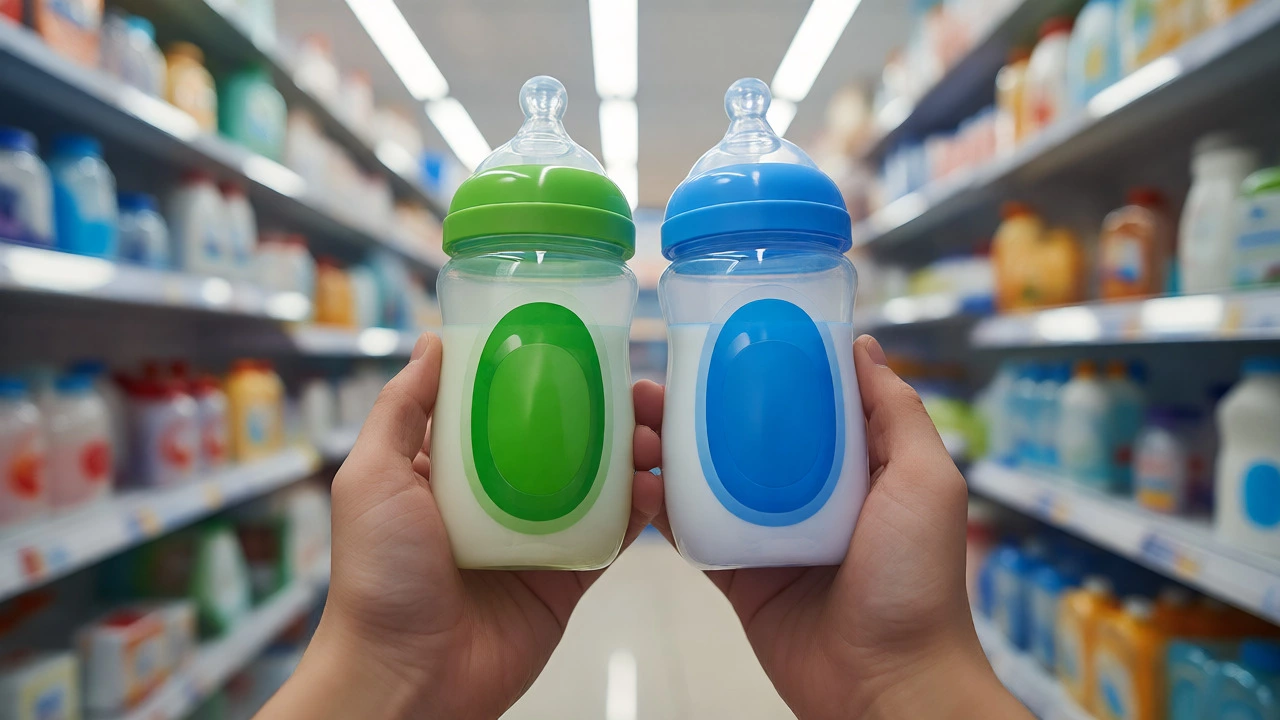
You’re standing in the aisle at your local pharmacy, holding two identical-looking plastic bottles. One has a bright green label and cap ring; the other is sleek blue. You know you want Dr. Brown’s, but which one do you actually need? It’s a common panic moment for new parents. The internet is full of conflicting advice, and the price tag is exactly the same. So, what gives?
Here is the short answer that will save you twenty minutes of Googling: The color doesn’t change how the bottle works. Both the green and blue versions use the exact same patented anti-colic internal vent system. The difference is purely aesthetic and marketing-driven, designed to help you organize your nursery or distinguish between different milk types (breast milk vs. formula). However, there are subtle nuances regarding accessories, availability, and specific product lines that might sway your decision. Let’s break down exactly what you’re looking at so you can buy with confidence.
The Myth of Performance Differences
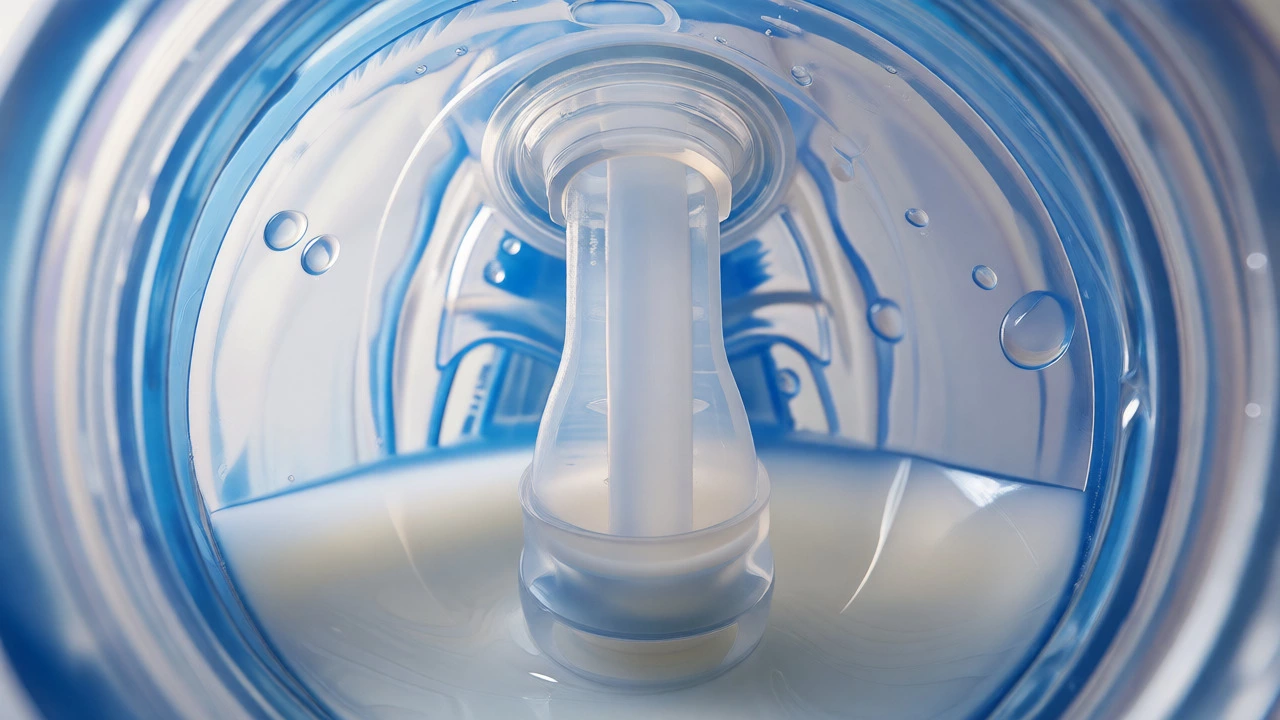
Many parents assume that because Dr. Brown’s offers multiple colors, each color must represent a different level of technology. Maybe the blue one is "pro" and the green one is "basic," right? Wrong. If you unscrew the cap on both bottles, you’ll find the same white internal vent tube sitting inside. This tube is the magic component that separates air from liquid, reducing the amount of air your baby swallows during feeds. Whether the outer shell is neon green, sky blue, pink, or clear, the engineering remains identical.
Dr. Brown’s Natural Flow® bottles have been around since the early 1990s, and their core mechanism hasn’t changed much because it works. The company introduced different colors primarily to help parents identify bottles easily. Think about it: if you have six bottles in the dishwasher, knowing which one had the last batch of expressed breast milk versus which one held the morning formula mix becomes a visual game. The color coding isn’t a feature of the venting system; it’s a feature of household logistics.
Decoding the Color Codes: Green vs. Blue
While the performance is the same, the color choices often align with specific product bundles or regional preferences. Historically, Dr. Brown’s has used color to differentiate between standard wide-neck options and specialty sets. Here is how the current market generally segments these colors:
- Blue Bottles: Often marketed as part of the "Standard" or "Classic" collections. In many UK and US retailers, blue is the default color for multi-packs sold in supermarkets. They are frequently paired with standard silicone nipples. Because they are the most common stock item, finding replacement parts or matching caps is usually easier for the blue variety.
- Green Bottles: Frequently associated with the "Sensitive" or specific eco-friendly packaging lines. Sometimes, retailers bundle green bottles with different nipple flow rates or include them in starter kits that emphasize "natural" feeding concepts. In some regions, green is also tied to BPA-free marketing campaigns where the brand wants to highlight the material safety visually.
It’s worth noting that Dr. Brown’s has expanded its palette significantly. You’ll now see purple, pink, yellow, and even patterned designs. The shift away from strict gendered colors (blue for boys, pink/green for girls) means you can pick whatever matches your kitchen aesthetic without worrying about functionality.
Material Safety and Durability
When comparing the green and blue bottles, check the bottom of the bottle for the recycling code. Most modern Dr. Brown’s bottles, regardless of color, are made from polypropylene (PP), marked with the number 5 triangle. This plastic is durable, lightweight, and free from bisphenol-A (BPA) and phthalates. Some older or premium lines might use glass, but these are less common in the standard colored plastic range.
Does the dye used for the green or blue plastic affect safety? No. The dyes are food-grade and heat-resistant, meaning they won’t leach chemicals when you sterilize the bottles in boiling water or a steam sterilizer. However, over time, all plastic bottles degrade. If you notice deep scratches inside a blue bottle, it’s time to replace it, regardless of whether you prefer green. Scratches harbor bacteria that sterilization might not fully eliminate. Many parents report that darker colors like deep blue hide milk stains better than lighter greens, which can turn yellowish after repeated washes. This isn’t a health risk, just an aesthetic annoyance.
Vent Systems: Are They Truly Identical?
Let’s look under the hood. Both bottles utilize the Internal Vent System. This consists of a small plastic tube that connects the nipple area to the base of the bottle. As your baby sucks, air travels through this tube instead of being pulled into the milk. This keeps the milk oxygen-free, preserving nutrients and preventing the vacuum effect that causes colic and gas.
| Feature | Green Bottles | Blue Bottles |
|---|---|---|
| Vent Technology | Patented Internal Vent | Patented Internal Vent |
| Material | BPA-Free Polypropylene | BPA-Free Polypropylene |
| Nipple Compatibility | Standard Dr. Brown’s Nipples | Standard Dr. Brown’s Nipples |
| Cleaning Difficulty | High (Vent needs brush) | High (Vent needs brush) |
| Common Availability | Starter Kits / Eco Packs | Supermarket Multi-packs |
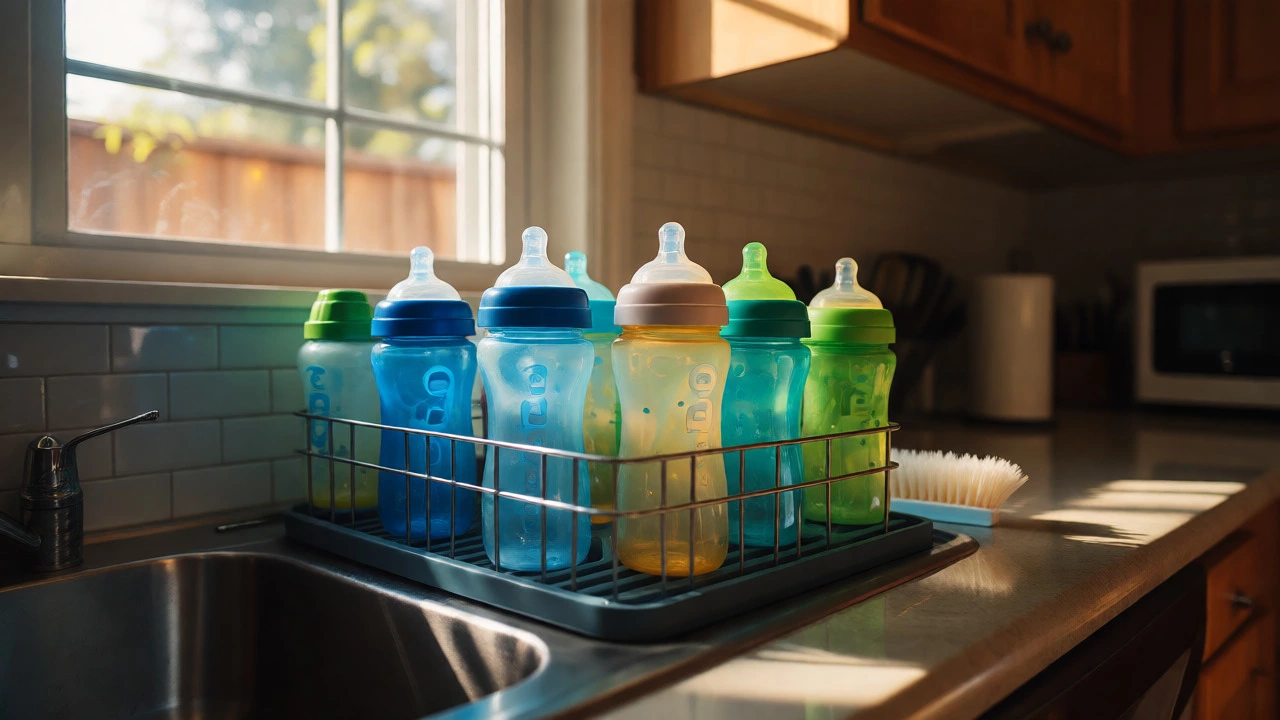
The cleaning process is the same headache for both. That little vent tube is notorious for trapping milk residue. You cannot just toss these in the dishwasher top rack and hope for the best. You need the specialized vent brush included in the box. If you skip this step, mold can grow inside the tube. Parents often ask if one color cleans easier-spoiler: neither. The physics of fluid dynamics inside that narrow tube don’t care about the outer shell’s hue.
Which One Should You Buy?
If you are still stuck, here is a simple decision tree based on real-world parenting scenarios:
- Choose Blue if: You want the easiest access to replacements. Since blue is the standard supermarket stock, walking into Tesco or Boots and grabbing a spare cap or nipple is trivial. Also, choose blue if you dislike seeing faint yellow milk stains, as the pigment hides discoloration better.
- Choose Green if: You prefer the aesthetic of your nursery or kitchen. Or, if you found a good deal on a starter kit that happens to be green. There is no functional penalty. Some parents also feel that green signals "organic" or "natural" psychologically, making them more relaxed during night feeds.
- Mix and Match: Honestly, buy both. Use one color for breast milk and another for formula. This eliminates the guesswork at 3 AM when you’re half-asleep. Labeling tape works too, but color coding is faster.
One final tip: Check the neck size. Ensure you aren’t accidentally buying a narrow-neck set if you plan to use a breast pump adapter. Most standard Dr. Brown’s bottles are wide-neck, but always double-check the packaging. The color won’t tell you the neck width, but the label will.
Frequently Asked Questions
Do green Dr. Brown’s bottles work differently than blue ones?
No, they function identically. Both use the same patented internal vent system to reduce air ingestion. The only differences are cosmetic and related to retail packaging or bundle contents.
Can I mix green and blue bottles in the same dishwasher load?
Yes, absolutely. The materials are the same (BPA-free polypropylene), so they withstand the same heat and detergent levels. Just ensure the vent tubes are removed and cleaned separately with the provided brush before loading.
Why do my green bottles turn yellow?
This is common with lighter-colored plastics exposed to fats in breast milk or formula. It does not indicate damage or bacterial growth if properly sterilized. Darker colors like blue may mask this staining better, but it is purely cosmetic.
Are the nipples interchangeable between green and blue bottles?
Yes, all standard Dr. Brown’s wide-neck bottles share the same nipple thread size. You can swap nipples freely between any color variant, provided they are the same generation of bottle design.
Is one color safer than the other?
Both colors use food-grade, BPA-free dyes approved for infant products. Neither color poses a higher safety risk. Always inspect the bottle for cracks or warping, regardless of color, as physical damage is the primary safety concern.