Bottle & Nipple Compatibility Checker
Select your specific bottle and nipple combination to see compatibility details, potential issues, and safety recommendations.
Compatibility Status
Physical Fit
- Thread Engagement: --
- Seal Integrity: --
- Leak Risk: --
Functionality & Safety
- Vent System: --
- Air Intake: --
- Flow Rate: --
Recommendation
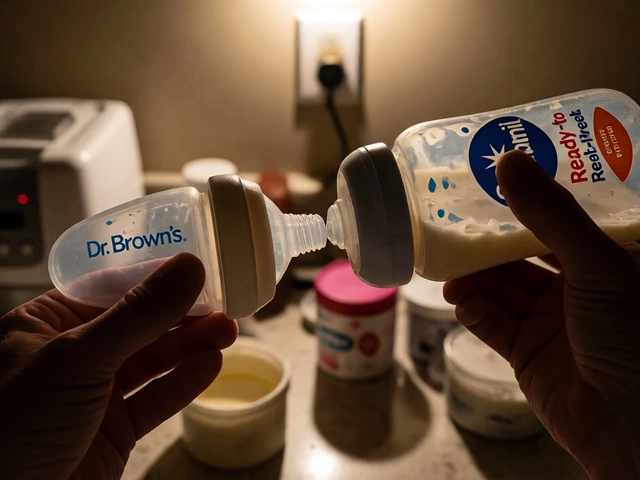
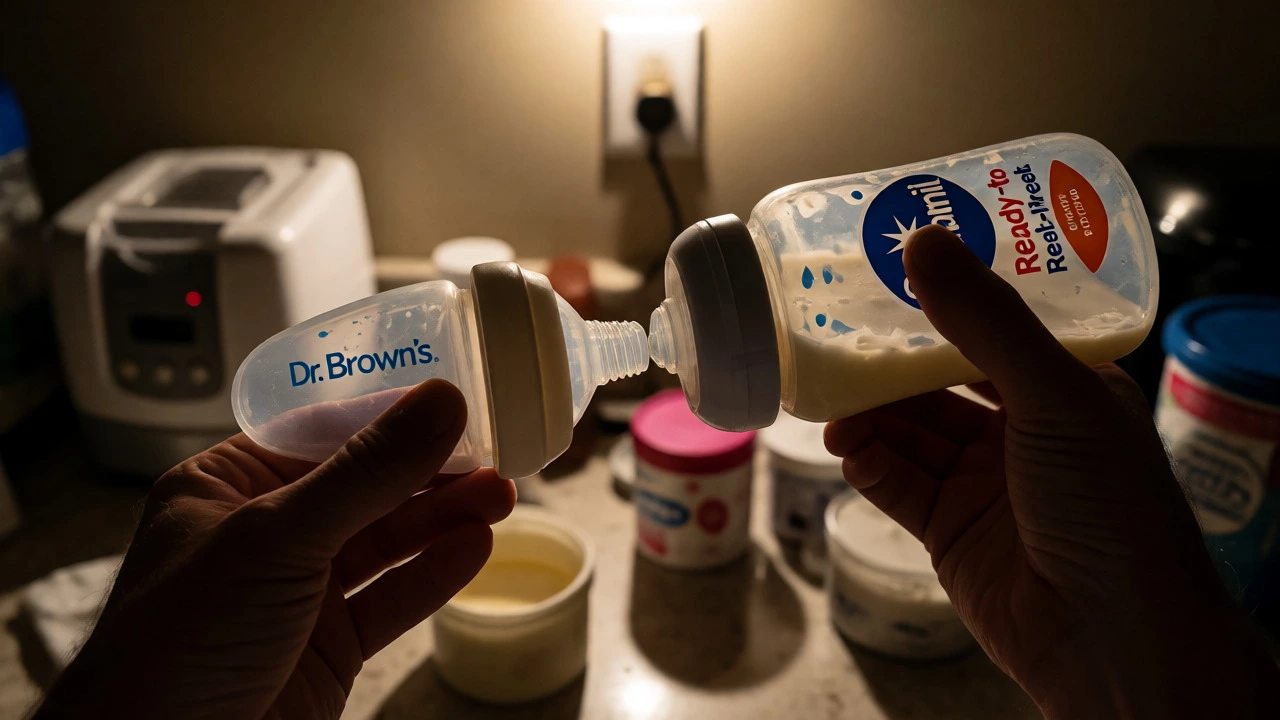
You’re in the middle of a 3 AM feeding session, the baby is screaming, and you realize you grabbed the wrong nipple for the bottle you just sterilized. It’s a classic parenting panic moment. You have Enfamil bottles sitting on the counter and a box of Dr. Brown’s nipples nearby. The question burning through your sleep-deprived brain is simple: Do they actually fit?
The short answer is yes, but with a massive caveat that could ruin your night if you ignore it. While the physical threading often aligns, the internal mechanics of these two brands are fundamentally different. Mixing them isn’t just about whether it screws on; it’s about whether the baby can actually drink without swallowing air or choking. Let’s break down exactly how these components interact, why the standard advice might be misleading, and what you should really do to keep your little one fed and happy.
The Physical Connection: Threads and Seals
Most parents assume that because both products are round plastic objects with screw threads, they must work together. In reality, the world of baby bottles is surprisingly fragmented. There is no universal standard for neck sizes across all major brands. However, Dr. Brown’s Standard Neck bottles and many Enfamil Ready-to-Feed (RTF) containers share similar external dimensions.
If you try to screw a Dr. Brown’s nipple onto an Enfamil Ready-to-Feed bottle, you will likely find that it fits snugly. The threads engage, and the cap holds tight enough to prevent immediate leakage when upright. This physical compatibility leads many parents to believe the pairing is safe and effective. But fitting physically doesn’t mean functioning correctly. The seal created by the mixing of brands may not be airtight in the way the manufacturer intended, which matters significantly for the next part of the equation: airflow.
Why Airflow Matters More Than Fit
Dr. Brown’s Anti-Colic System is famous for its internal vent system. These small tubes inside the bottle separate air from milk, ensuring the baby drinks pure liquid rather than a bubbly mix. This reduces gas, spit-up, and colic symptoms. When you use a Dr. Brown’s nipple, it is designed to work in harmony with this specific venting mechanism.
Enfamil bottles, particularly their Ready-to-Feed options, typically rely on simpler designs. They often lack the complex internal vent structure found in Dr. Brown’s. If you put a Dr. Brown’s nipple on an Enfamil bottle, you are effectively bypassing the anti-colic technology. The nipple might allow air to enter the bottle in ways the Enfamil design wasn’t engineered to handle. This can lead to increased air intake for the baby, defeating the purpose of using premium nipples in the first place.
| Feature | Dr. Brown’s Bottle + Nipple | Enfamil RTF + Dr. Brown’s Nipple | Enfamil RTF + Enfamil Nipple |
|---|---|---|---|
| Physical Fit | Perfect Seal | Usually Fits (Snug) | Perfect Seal |
| Ventilation | Internal Vent Active | Inconsistent/Blocked | Basic Venting |
| Leak Risk | Low | Moderate (Tilt dependent) | Low |
| Air Intake | Minimal | Variable/Higher | Standard |
The Leaking Dilemma
Here is where things get messy-literally. Even if the threads catch, the gasket (the rubber ring that creates the seal) might not sit flush against the Enfamil rim. Dr. Brown’s nipples have a specific contour designed for their own bottle necks. When placed on a different surface, gaps can form.
If you tilt the bottle horizontally during feeding, you might notice drips. This isn’t just annoying; it’s a hygiene risk. Milk residue on the outside of the bottle attracts bacteria and makes the feeding experience unpleasant for everyone involved. Some parents report that tightening the ring excessively solves the leak, but over-tightening can warp the plastic or make it impossible to remove later without damaging the parts.
Flow Rate Discrepancies
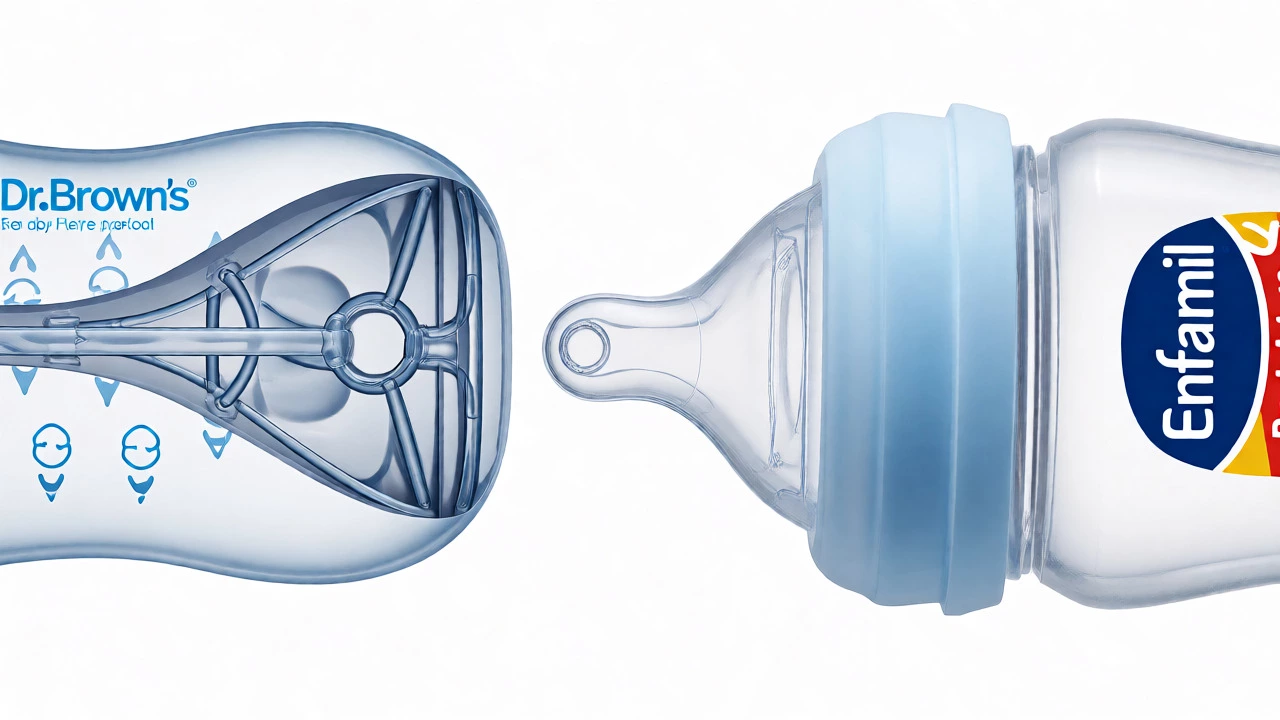
Nipple flow rates are calibrated based on the vacuum pressure within a specific bottle system. A Level 1 Dr. Brown’s nipple is tuned to release milk at a certain speed when used with a Dr. Brown’s bottle under normal atmospheric conditions. When you switch the container to an Enfamil bottle, the internal pressure dynamics change slightly. You might find that the milk flows too fast, causing the baby to gag or cough. Conversely, it might flow too slowly, leading to frustration and excessive sucking effort. Because the venting systems differ, the "negative pressure" balance shifts. What feels like a perfect medium flow in one setup can feel like a fire hose or a drip-feed in another. Always test the flow rate before handing the bottle to a hungry infant.
Safety Concerns and Material Differences
Both brands adhere to strict safety standards, such as those set by the FDA Food and Drug Administration and European equivalents. Both are BPA-free. However, mixing components introduces variables manufacturers haven’t tested together. Consider the heat tolerance. Dr. Brown’s nipples are often silicone-based and can withstand high temperatures for sterilization. Enfamil RTF bottles are usually single-use plastics meant for room temperature or mild warming. If you attempt to sterilize the combined unit in boiling water or a steam sterilizer, check the Enfamil bottle’s limits. Many RTF bottles are not designed for repeated high-heat exposure, which can cause warping or chemical leaching over time. Never microwave a mixed setup unless both components explicitly state microwave safety.
When Should You Mix Them?
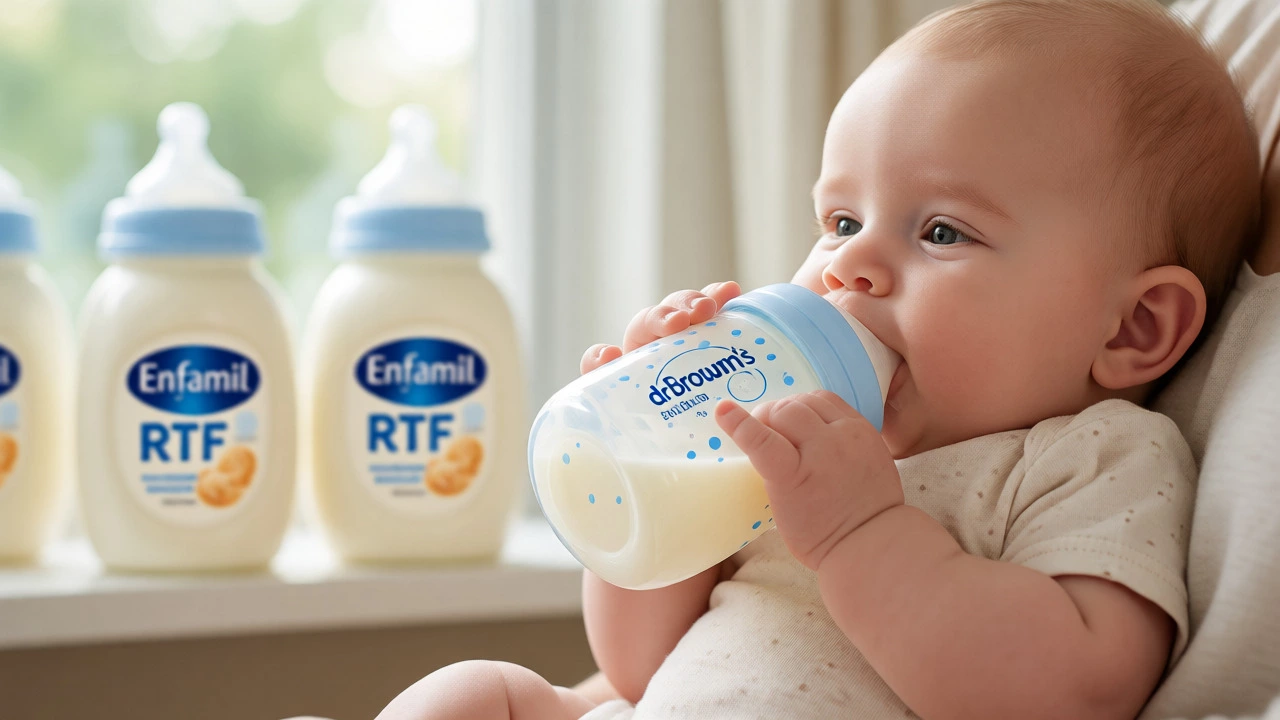
Is there ever a good reason to pair these two? Yes, in emergency situations. Maybe you’ve run out of Enfamil nipples while traveling, or you prefer the texture of Dr. Brown’s silicone over the latex or standard silicone provided by Enfamil. In these cases, functionality trumps perfection. If you must mix them, follow these steps:
- Clean and dry both the nipple and the bottle neck thoroughly.
- Ensure the vent tube (if present) is correctly inserted into the Dr. Brown’s nipple.
- Screw the ring on firmly but not forcefully.
- Invert the bottle gently to check for leaks before feeding.
- Monitor the baby closely for signs of discomfort or excessive air swallowing.
Alternatives and Adapters
If you love Dr. Brown’s nipples but want to use Enfamil formula, consider buying Dr. Brown’s bottles instead. You can transfer the pre-measured Enfamil powder or liquid into the Dr. Brown’s vessel. This keeps the anti-colic benefits intact. Alternatively, look for universal adapters, though these are rare for standard neck sizes and often add complexity that isn’t worth the hassle for most parents. Some parents also explore other brands like Philips Avent or Tommee Tippee. Interestingly, some of these brands offer more cross-compatibility due to shared manufacturing molds, but always verify individually. Don’t assume compatibility extends beyond the brand pairs mentioned here.
Final Verdict
Do Dr. Brown’s nipples fit Enfamil bottles? Physically, often yes. Functionally, it’s a compromise. You lose the precise anti-colic engineering, risk minor leaks, and potentially alter the flow rate. For occasional use, it’s a viable hack. For daily feeding, invest in matching sets to save yourself stress, cleanup, and potential tummy troubles for your baby.
Can I use Dr. Brown’s nipples on any Enfamil bottle?
They typically fit Enfamil Ready-to-Feed (RTF) bottles because the neck diameters are similar. However, they may not fit Enfamil glass or specialized storage bottles. Always test the fit and check for leaks before use.
Will mixing brands cause colic?
It might worsen it. Dr. Brown’s anti-colic system relies on its specific bottle vents. Using the nipple on a non-vented or differently vented Enfamil bottle disrupts this system, potentially increasing air intake and gas.
Are Dr. Brown’s nipples safer than Enfamil nipples?
Both are safe and meet regulatory standards. Dr. Brown’s uses medical-grade silicone, which is durable and hypoallergenic. Enfamil nipples vary by product line but are also rigorously tested. Safety is comparable; preference depends on comfort and flow needs.
How do I clean mixed bottles and nipples?
Disassemble all parts, including the vent tubes. Wash with warm soapy water and a dedicated brush. Sterilize according to the instructions of the least heat-tolerant component (usually the Enfamil RTF bottle).
What if the nipple leaks?
Check that the ring is tightened evenly. Inspect the gasket for damage or misalignment. If leaking persists, the shapes are incompatible, and you should revert to matching brand components.