Toddler Air Travel Seat Checker
Enter your child's details to see if they need their own seat according to standard aviation safety rules.
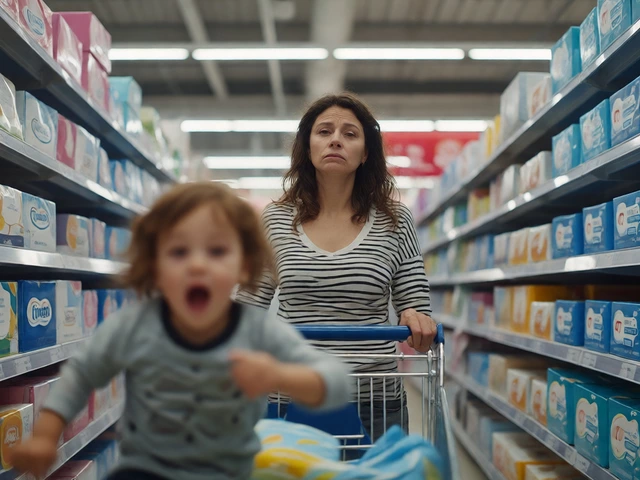
You’re packing the bags, checking in online, and suddenly that panic sets in. Your three-year-old is technically an "infant" or "child" depending on the airline’s specific age brackets, but physically, they are a wiggly, energetic human who weighs about as much as a sack of potatoes. The question buzzing in your head: can my 3 year old sit my lap airplane? It seems like a simple yes-or-no question, but the answer is a messy mix of airline policies, aviation physics, and pure parental instinct.
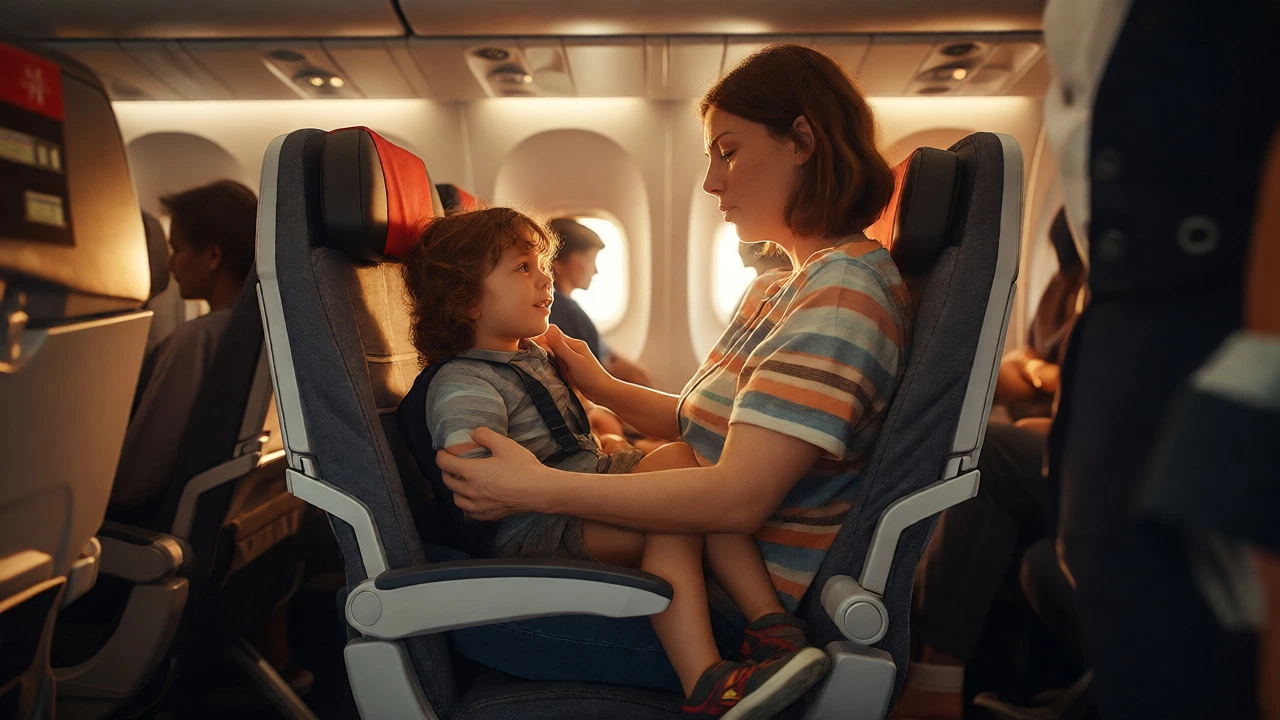
Here’s the blunt truth before we get into the details: Most airlines will let you hold a child under two years old for free (or at a reduced fare) on domestic flights. But once that kid hits their second birthday? That free ride usually ends. You typically need to buy them a seat. So, if you’re trying to save money by keeping a three-year-old on your lap, you might be breaking the rules before you even board. Let’s unpack why this rule exists, what happens if you try it anyway, and how to actually survive the flight with a toddler in tow.
The Age Limit Myth vs. Reality
A lot of parents assume the "lap child" rule applies until the kid turns four or five because, well, they still fit on your lap. In reality, the cutoff is almost universally two years old for international standards set by bodies like the International Air Transport Association (IATA) and enforced locally by agencies like the Federal Aviation Administration (FAA) in the US or the Civil Aviation Authority (CAA) in the UK.
If your child is three, they are legally required to have their own seat on most commercial carriers. Why? Because a three-year-old can weigh between 13 and 16 kilograms (30-35 lbs). In a sudden stop or turbulence event, holding that weight against your chest isn't just uncomfortable; it's dangerous. The forces involved can exceed what an adult’s arms can safely manage without crushing the child or letting go entirely.
| Region/Airline Type | Lap Child Age Limit | Requirement for Age 3+ | Typical Cost Implication |
|---|---|---|---|
| US Domestic (FAA Guidelines) | Under 2 years | Must purchase seat | Full fare or discounted child fare |
| UK/EU Carriers (e.g., BA, Ryanair) | Under 2 years | Must purchase seat | Child fare often equals adult fare |
| Low-Cost Carriers (Global) | Under 2 years | Must purchase seat | Strict enforcement, no exceptions |
| Long-Haul International | Under 2 years | Must purchase seat | Seat essential for sleep/safety |
Why Airlines Say No (It’s Not Just Greed)
It’s easy to think airlines just want to squeeze more cash out of families. Sometimes they do, but there’s a solid safety engineering reason behind the two-year cap. When an aircraft experiences severe turbulence, the G-forces spike instantly. A child held loosely on a lap becomes a projectile. If you’ve ever tried to hold a squirmy toddler while walking through a crowd, imagine doing that when the floor drops out from under you.
Furthermore, cabin crew cannot assist a parent holding a child during takeoff and landing if the child is not secured. Oxygen masks deploy automatically. If you are holding a three-year-old, you have one hand occupied securing them, leaving only one hand to put on your own mask. You have roughly ten seconds of usable oxygen. Struggling to secure a struggling child while putting on your own mask is a recipe for hypoxia. By requiring a seat, the airline ensures both you and the child have independent access to safety equipment.
What Happens If You Try to Sneak Them On?
Suppose you book a ticket for yourself and your three-year-old as a "lap infant" because you found a loophole or hope gate agents won’t check birth certificates. What’s the risk?
- Denied Boarding: This is the worst-case scenario. Gate agents frequently check ages. If they see a three-year-old and no seat assignment, they may deny boarding until you purchase a last-minute seat at the counter price, which could be double what you paid originally.
- In-Flight Conflict: Even if you make it onto the plane, flight attendants are trained to spot unsecured children. They may require you to move the child to a different row or ask you to buckle them into a spare seat if available, charging you on the spot.
- Safety Liability: If there is an emergency evacuation, an unsecured three-year-old slows down the entire row. You are responsible for their movement. Holding them while navigating a slide or exit door is nearly impossible.
I recall flying from Bristol to London Heathrow a few years back. A family tried to pass off their 34-month-old as a lap child. The agent asked for the passport. The date was clear. The parents had to buy a seat at the gate for £180. It wasn’t worth the stress.
Car Seats on Planes: The Best Alternative
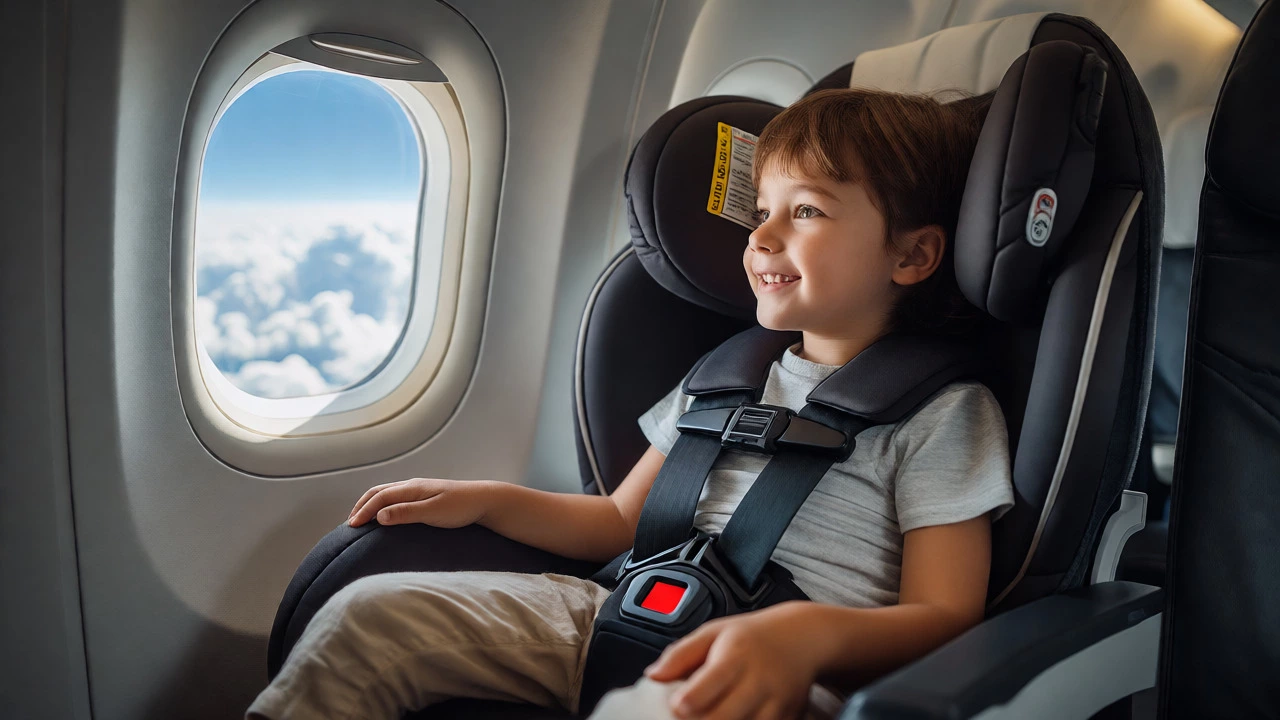
If you must bring your three-year-old, buying them a seat is non-negotiable. But where do they sit? You have two main options: the standard airline seatbelt or their own Child Restraint System (CRS), commonly known as a car seat. This device is designed to protect children in vehicles and, crucially, many are certified for aircraft use.
Using a car seat on a plane is significantly safer than using the lap belt alone. Here’s why:
- Proper Fit: Airplane lap belts are designed for adults. They sit high across the abdomen of a small child. In a crash, this can cause internal injuries. A CRS positions the harness correctly over the hips and shoulders.
- Familiarity: Your three-year-old already knows how to buckle up in their car seat. This routine provides comfort and reduces anxiety. They know what to expect.
- Containment: A three-year-old in a booster or harnessed seat is less likely to climb around the cabin than one loose in a regular seat.
Not all car seats are allowed, though. Look for the label that says "Certified for Use in Aircraft." In the US, this means it meets FAA standards. In Europe, look for ECE R44/04 or i-Size certification that explicitly mentions aviation compatibility. Brands like Britax, Chicco, and Graco often produce models that meet these criteria. Always check the label before heading to the airport.
Booster Seats vs. Harness Seats for Air Travel
At three years old, most kids are transitioning from a rear-facing or forward-facing harnessed seat to a booster. For flying, a harnessed seat is generally better. Why? Because boosters rely on the vehicle’s (or plane’s) shoulder belt. On a plane, the shoulder belt might not align perfectly with a small child’s neck unless the seat has a high backrest.
If you use a high-back booster, ensure it fits within the width of the airplane seat. Standard economy seats are narrow-often 17 to 18 inches wide. Many bulky car seats simply won’t fit. Measure your car seat before you fly. If it’s wider than 16.5 inches, you’ll struggle to click it into place between the armrests.
Tips for Surviving the Flight with a Toddler
Once you’ve accepted that your three-year-old needs a seat, how do you keep everyone sane? Here are some battle-tested strategies.
Book Early for Window Seats
Try to book a window seat for your child. It keeps them contained. They can look out the window, point at clouds, and feel engaged. An aisle seat invites wandering feet and accidental bumps from passing carts. If possible, book a bulkhead row for extra legroom, though note that bassinet hooks are usually gone by age three, so don’t pay extra for that feature specifically.
Bring Distractions That Don’t Make Noise
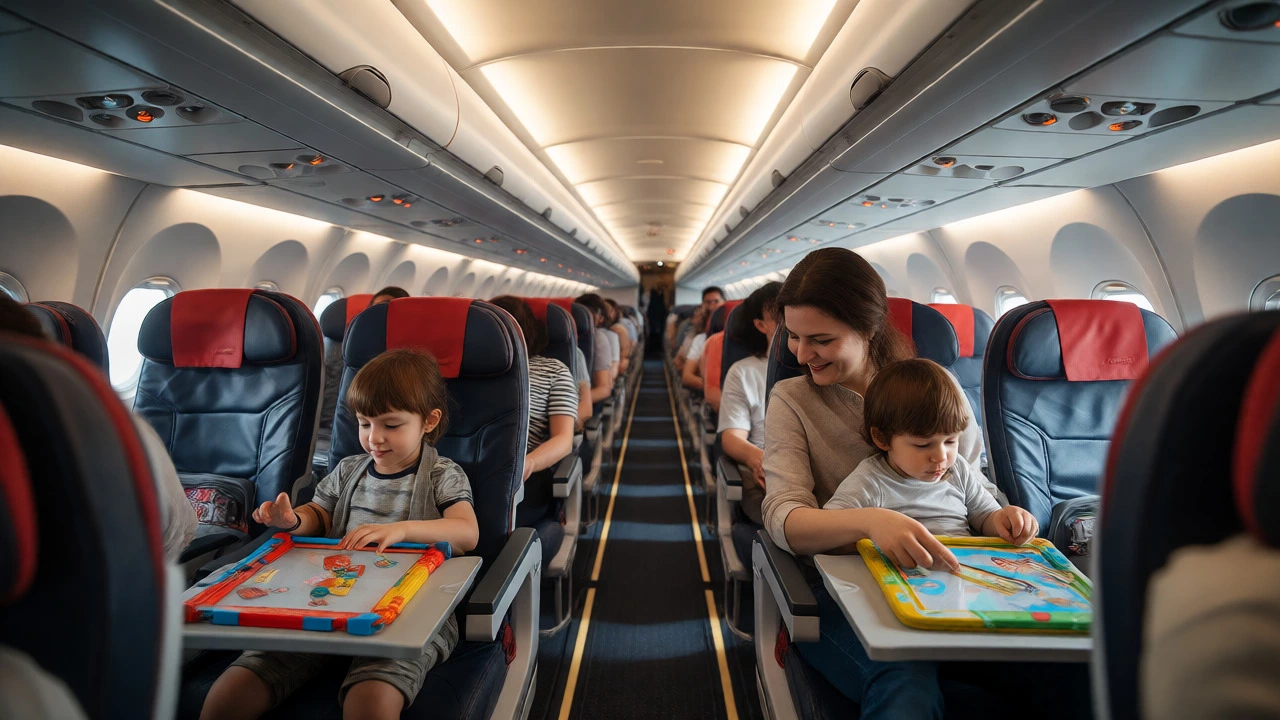
Three-year-olds love noise, but other passengers hate it. Pack quiet toys. Sticker books, magnetic drawing boards, and coloring pages are gold. Avoid toys with hard plastic parts that can roll under seats and become lost forever. Snacks are also powerful distractors. Bring familiar foods. Airport food is expensive and unfamiliar, which can trigger meltdowns. Pack crackers, fruit pouches, and water bottles (empty them through security, then fill up).
The Nap Strategy
Try to schedule flights around nap times. If your child sleeps in the car, they might sleep in the plane. Bring a favorite blanket or stuffed animal. The familiarity helps signal that it’s time to rest. If they don’t sleep, accept it. A tired three-year-old is cranky, but a bored three-year-old is chaotic. Engage them early.
Baby Carrier or Hip Seat
For moving through the terminal, a carrier is useful. However, you cannot wear your child in a carrier during takeoff and landing. You must stow it. Keep it accessible in the overhead bin or under the seat in front of you. Do not check it as luggage unless necessary, as you’ll want it handy for boarding deplaning if they fall asleep.
Special Considerations for Different Airline Types
Not all airlines treat toddlers the same way. Budget carriers like Ryanair or EasyJet are strict. They charge full adult fares for children over two. There are rarely discounts. Legacy carriers like British Airways or Lufthansa might offer slight discounts on child fares, but availability varies. Always read the fine print on "infant" vs. "child" pricing.
Also, consider the duration of the flight. For a one-hour hop from Bristol to Manchester, a regular seatbelt might suffice if you’re vigilant. For a six-hour transatlantic flight, investing in a comfortable car seat setup is worth every penny. Your sanity depends on it.
When Can You Stop Using a Car Seat on Planes?
This is the next logical question. Once your child passes the three-year mark, when can they switch to just the lap belt? Generally, the recommendation is to keep using a CRS until they reach the height or weight limit of the seat, often around 40 pounds (18 kg) or 40 inches tall. This is usually around age four or five.
After that, a booster seat is recommended until they are tall enough for the lap belt to lie flat across the upper thighs, not the stomach. This is typically when they are 4 feet 9 inches tall (around age 8-12). While airlines won’t force you to use a booster after age four, safety experts strongly advise it for longer flights.
Final Checklist Before You Fly
Don’t leave home without verifying these points:
- Age Verification: Have your child’s passport or birth certificate ready. Gate agents will ask.
- Seat Reservation: Ensure your child has a confirmed seat assignment. Do not assume they are listed as a lap child.
- Car Seat Label: Check for the "Certified for Aircraft" sticker.
- Width Measurement: Confirm your car seat fits in economy seats.
- Baggage Allowance: Check if the airline allows a car seat as a free checked bag or carry-on. Many do, but policies vary.
Traveling with a three-year-old doesn’t have to be a nightmare. It requires planning, a bit of financial flexibility, and realistic expectations. Buy the seat. Bring the car seat. Pack the snacks. And remember, the goal isn’t perfection; it’s survival and safety. Everyone else on the plane has probably been there too. Smile, buckle up, and enjoy the view from above.
Can I hold my 3-year-old on my lap for a short domestic flight?
Generally, no. Most airlines enforce a strict two-year age limit for lap children. Once a child turns two, they must occupy their own purchased seat, regardless of flight duration. Attempting to hold a three-year-old may result in being denied boarding or charged for a seat at the gate.
Do I have to pay full fare for my 3-year-old's seat?
In most cases, yes. Children over two are typically treated as adults for pricing purposes, especially on low-cost carriers. Some legacy airlines may offer a slight discount on child fares, but this is not guaranteed. Always compare prices when booking.
Is it safe to use a car seat on an airplane?
Yes, provided the car seat is labeled "Certified for Use in Aircraft." These seats meet federal safety standards for aviation. Using a car seat is safer than using the airplane lap belt alone because it distributes impact forces across the child's stronger body parts and prevents submarining.
What if my car seat doesn't fit in the airplane seat?
If your car seat is too wide, you may need to check it as luggage and use the airplane's lap belt for the flight. Alternatively, you can rent a lightweight travel car seat specifically designed for planes, which are narrower and lighter. Always measure your current seat before traveling.
Can I bring my car seat as a free carry-on?
Many airlines allow you to bring a car seat as an additional carry-on item or check it for free, even if you didn't purchase a seat for the child. However, since your three-year-old needs a seat, you will likely use the car seat in that seat. Verify your specific airline's baggage policy for child restraints.