
Baby Carrier Safety & Suitability Checker
Carrier Setup Details
Safety Assessment
Enter details and click "Check Safety" to see if your setup is suitable for a 7 lb baby.
Safe Configuration
Your current setup meets the basic safety requirements for a small newborn.
Detailed Analysis:
💡 Pro Tip for 7 lb Babies:
Even with the right gear, limit sessions to 30-45 minutes initially to avoid overheating and monitor for comfort.
That first few weeks home with your newborn can feel like you are moving through molasses. You want to get things done, but your little one needs constant contact. The idea of baby wearing sounds perfect-hands-free parenting while keeping your baby close. But when your baby is tiny, weighing only 7 pounds (about 3.2 kg), doubt creeps in. Is it safe? Will they slide out? Can their head even stay up? The short answer is yes, you can absolutely wear a 7-pound baby, but you cannot just throw them into any sling or wrap and hope for the best. Small babies have specific anatomical needs that larger toddlers do not.
Babies this size are fragile. Their neck muscles are non-existent, meaning their heads will flop forward if unsupported. This isn't just uncomfortable; it can block their airway. Their hips are also developing rapidly. If you force their legs straight down, you risk developmental dysplasia of the hip. So, how do you keep a micro-newborn secure, comfortable, and safe? It comes down to choosing the right gear and mastering the "M-position" from day one.
Why Size Matters: The Anatomy of a 7 lb Baby
Before we talk about fabric and buckles, let's look at why a 7-pound baby requires special attention compared to a 15-pound six-month-old. At birth, a baby’s spine is C-shaped, not S-shaped like ours. They haven't developed the curves that allow for upright posture yet. When you hold a 7-pounder, you aren't just supporting weight; you are supporting an entire skeletal structure that is still softening and hardening.
The biggest concern is the airway. A newborn’s chin rests heavily on their chest. In a loose wrap or a poorly adjusted structured carrier, gravity pulls that heavy head forward. If the chin touches the chest, the airway narrows. This is called positional asphyxia, and it is silent. The baby doesn't cry because they can't breathe well enough to make noise. Your job as the wearer is to ensure the baby’s face is always visible and their nose and mouth are clear of fabric and your body.
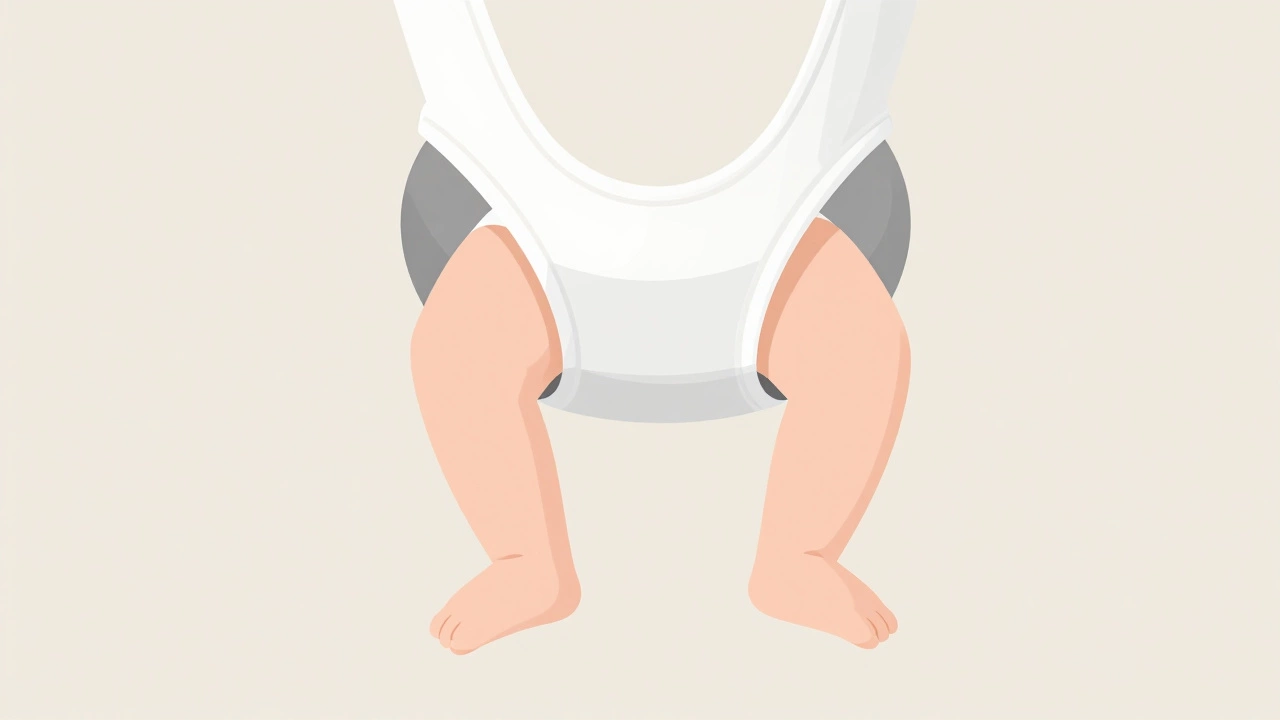
Then there are the hips. You have probably heard the term "hip-healthy." For a 7-pound baby, this means their knees should be higher than their bottom. Think of the letter M. If their legs dangle straight down, the pressure on the hip socket is wrong. Over time, this can lead to long-term mobility issues. So, every carrier you consider must support this M-shape naturally, without you having to constantly tug and adjust.
Types of Carriers for Tiny Newborns
Not all carriers are created equal for small infants. Some require inserts, some need complex tying skills, and others are ready to go out of the box. Here is how the main types stack up for a 7-pound baby.
| Carrier Type | Pros for Small Babies | Cons / Challenges | Skill Level Needed |
|---|---|---|---|
| Wrap Carriers | Molds perfectly to baby’s shape; distributes weight evenly across back and shoulders. | Steep learning curve; easy to tie too loosely; takes longer to put on. | High (Practice required) |
| Ring Slings | Quick to use; great for nursing discreetly; lightweight. | Weight rests on one shoulder; harder to achieve symmetrical hip position; limited support for head. | Medium |
| Structured Carriers with Insert | Easy to buckle; consistent fit; good support for head and neck. | Bulkier; insert can be fiddly; may be too warm for summer. | Low |
| Hybrid Carriers | Adjustable panels act like a built-in insert; no separate piece to lose. | Can be pricey; panels might not tighten enough for very small frames initially. | Low |
If you are new to babywearing, a wrap carrier is often recommended by experts because it allows you to control the tightness precisely. You can pull the fabric snug against the baby’s back, providing excellent spinal support. However, wrapping a 7-pounder feels awkward at first. You might feel like you are wrestling a large scarf. That is normal. Watch tutorials specifically for "newborn wraps" rather than general ones.
For those who prefer buttons and buckles, look for structured carriers that come with a newborn insert. This is a padded panel that goes between the baby and the carrier seat. It supports the baby’s head and keeps their legs in the correct M-position until they grow big enough to sit securely in the main carrier. Without this insert, most structured carriers are too wide for a 7-pound baby, causing them to slump.
The T.I.C.K.S. Safety Checklist
You don't need to memorize medical textbooks to keep your baby safe. The International Hip Dysplasia Institute and other safety organizations use a simple acronym: T.I.C.K.S. Every time you put your baby in the carrier, run through these five points.
- Tight: The carrier must be tight. A common mistake is leaving the carrier loose so the baby has "room to move." This is dangerous. The fabric should be snug against the baby’s body. If you cannot easily fit two fingers under the baby’s chin, it is too tight. If you can fit more, it is too loose. Aim for exactly two fingers.
- I Visible (at all times): You must be able to see your baby’s face from where you are standing. Check their chin, nose, and mouth. If their head is tucked into your chest, lean forward slightly or adjust the fabric to bring their face up. Never cover their face with a hood or blanket.
- C Close enough to kiss: Your baby’s chest should be close enough to yours that you can kiss the top of their head without stretching. This closeness ensures their airway is open and supported by your torso, not just hanging in the air.
- K Keep chin off the chest: As mentioned earlier, a floppy head is a risk. Ensure the baby’s head is tilted back slightly, not resting on their own chest. The carrier’s head support or your hand should maintain this neutral position.
- S Support the back: The carrier should support the baby’s natural C-curve. Their back should be flat against the fabric or your body, not rounded or slumped. Look at their spine; it should follow the curve of your body.
This checklist takes ten seconds. Do it every single time. Even if you have worn the same baby in the same carrier a hundred times, fatigue can cause adjustments to loosen. Always re-check.
Common Mistakes with Small Babies
Even experienced parents make errors when dealing with tiny infants. Here are the most frequent pitfalls to avoid.
- Using a carrier without an insert: Trying to fit a 7-pound baby into a standard structured carrier without a newborn insert usually results in the baby sliding down into a seated position that is too wide. Their legs splay out, and their head falls forward. Don't skip the insert.
- Ignoring the "Sag": After walking around for twenty minutes, the fabric stretches. The baby sinks lower. This is called sagging. If you notice the baby dropping below your belly button, stop and tighten immediately. A low carry increases the strain on your back and compromises the baby’s hip angle.
- Overheating: Newborns cannot regulate their temperature well. Being pressed against your body adds heat. On a mild 60-degree day, a 7-pound baby in a thick wool wrap can overheat quickly. Check the back of their neck. If it is sweaty, remove a layer or take a break. Overheating is a risk factor for SIDS, so vigilance is key.
- Wearing backwards too early: You might see influencers wearing tiny babies on their backs. Unless the baby has full head control and can sit unassisted (usually around 4-6 months), keep them facing in, against your chest. Backwards carrying requires core strength they simply do not have yet.

Comfort for the Wearer
Let’s be honest: carrying a human being hurts if you do it wrong. A 7-pound baby seems light, but that weight is concentrated in a small area. If the carrier digs into your shoulders, you won’t last long. Proper distribution is key.
The weight should rest on your hips, not your shoulders. Look for carriers with wide waistbands. These bands spread the load across your pelvis, which is designed to carry weight. Shoulders should provide stability, not bear the brunt. If your shoulders ache after ten minutes, the carrier is likely too loose at the waist or the straps are positioned incorrectly. Adjust the shoulder straps so they sit high on your collarbones, not slipping down toward your elbows.
Also, consider your clothing. Bulky sweaters create layers that prevent the carrier from sitting tightly against your body. This creates gaps where the baby can sink. Wear fitted layers underneath the carrier. If you are using a wrap, tuck your shirt tails in to avoid fabric bunching under the baby.
When to Stop or Take a Break
Babywearing is not a marathon. It is a series of short sprints. With a 7-pound baby, limit sessions to 30-45 minutes initially. Watch for signs of distress in both of you. If the baby starts fussing excessively, turning red, or pushing away, take them out. Sometimes they just need space. If you feel dizzy, nauseous, or experience sharp pain in your back or neck, put the baby down safely immediately. There is no shame in taking a break. A happy parent makes for a happy baby.
As your baby grows, hitting milestones like rolling over or gaining significant weight, your carrier needs will change. But starting early with a 7-pounder builds a routine. It soothes colic, aids digestion, and helps you bond. Just remember: tight, visible, close, chin-up, and supported. Master those basics, and you’ll find that babywearing becomes second nature, giving you the freedom to navigate life with your tiny companion securely strapped to your side.
Is it safe to babywear a 7 lb baby in a ring sling?
Yes, but with caution. Ring slings are popular for newborns because they are quick and compact. However, they place all the weight on one shoulder, which can be uncomfortable for the wearer over time. More importantly, achieving a proper hip-healthy M-position can be tricky. You must ensure the baby’s bottom is fully supported by the fabric and their knees are higher than their bottom. Always check that the baby’s face is visible and their airway is clear, as ring slings can easily cover the face if not tied correctly.
Do I need a newborn insert for my structured carrier?
Most likely, yes. Standard structured carriers are designed for babies who can sit up independently, usually around 15-20 pounds. A 7-pound baby is too small to fit securely in the main seat. Without an insert, their legs will dangle, and their head will lack support. A newborn insert provides the necessary padding and width adjustment to keep the baby in a safe, supported position until they grow larger. Some hybrid carriers have adjustable panels that eliminate the need for a separate insert.
How long can I wear my 7 lb baby at a time?
Start with short sessions of 20-30 minutes. Both you and your baby need to get used to the sensation. As you gain confidence and your baby grows, you can extend this time. However, always monitor for overheating and discomfort. If the baby becomes fussy or you feel physical strain, take a break. There is no strict maximum time, but listening to your bodies is crucial for a positive experience.
Can babywearing help with colic?
Many parents report that babywearing significantly reduces crying episodes associated with colic. The motion, warmth, and closeness mimic the womb environment, which can be deeply soothing for newborns. While it may not cure colic entirely, it often provides relief and gives parents a hands-free way to calm their distressed baby while continuing daily tasks.
What if my baby falls asleep in the carrier?
It is common for babies to fall asleep in carriers. This is generally safe as long as you continue to follow the T.I.C.K.S. guidelines. Ensure their head remains tilted back, not flopped forward, and that their face is visible. Avoid covering their face with hoods or blankets. If possible, try to lay them down in a crib for longer sleep periods, as supervised awake time in the carrier is ideal. Never leave a sleeping baby in a carrier unattended.