Baby Carrier Matchmaker
Not sure which carrier to use? Select your baby's age and the current weather to get a personalized recommendation.
Recommended Setup
Seasonal Strategy
General Guidelines
You’re standing in the nursery, holding a soft, floppy newborn who screams if you put them down. You glance at the calendar. It’s January. The wind is howling outside. Your instinct says "too cold," but your arms are screaming "help." This is the exact dilemma every parent faces: When should you start using a baby carrier? Is there a specific month or age when it becomes safe, comfortable, or practical? The short answer? There is no single magic month. But there is a right time for every stage of your child’s development, and knowing that timing saves your back, your sanity, and keeps your baby happy.
The Myth of the "Perfect Month"
Most parents assume baby carriers are only for summer strolls or fall hikes. That’s a misconception born from seeing photos of babies in linen wraps under sunny skies. In reality, babywearing is a year-round tool. The challenge isn’t the month on the calendar; it’s matching the carrier type to the weather and the baby’s physical milestones.
Think of it this way: A newborn needs support for their head and neck. A six-month-old wants to see the world. A one-year-old wants to climb. If you try to use a structured hiking pack on a two-week-old, you’ll fail. If you try to use a thin mesh sling on a freezing winter day without layers, you’ll both get cold. The "month" you use a carrier depends entirely on these variables.
| Age Range | Best Carrier Type | Seasonal Considerations | Key Safety Check |
|---|---|---|---|
| 0-3 Months | Soft Wrap, Ring Sling | Winter: Use wool blends. Summer: Light cotton. | Chin off chest, knees higher than hips. |
| 4-6 Months | Buckle Carrier (Newborn Insert), Mei Tai | Spring/Fall: Ideal transition weather. | Head support still required if baby cannot hold up head independently. |
| 7-12 Months | Structured Soft-Structured Carrier (SSC) | Summer: Mesh panels prevent overheating. | Forward-facing allowed only if baby sits unassisted. |
| 12+ Months | Toddler Carrier, Hiking Pack | Winter: Layering under coat. Summer: Hydration focus. | Hips must form an "M" shape; spine supported. |
Newborns (Months 1-3): The Fourth Trimester Advantage
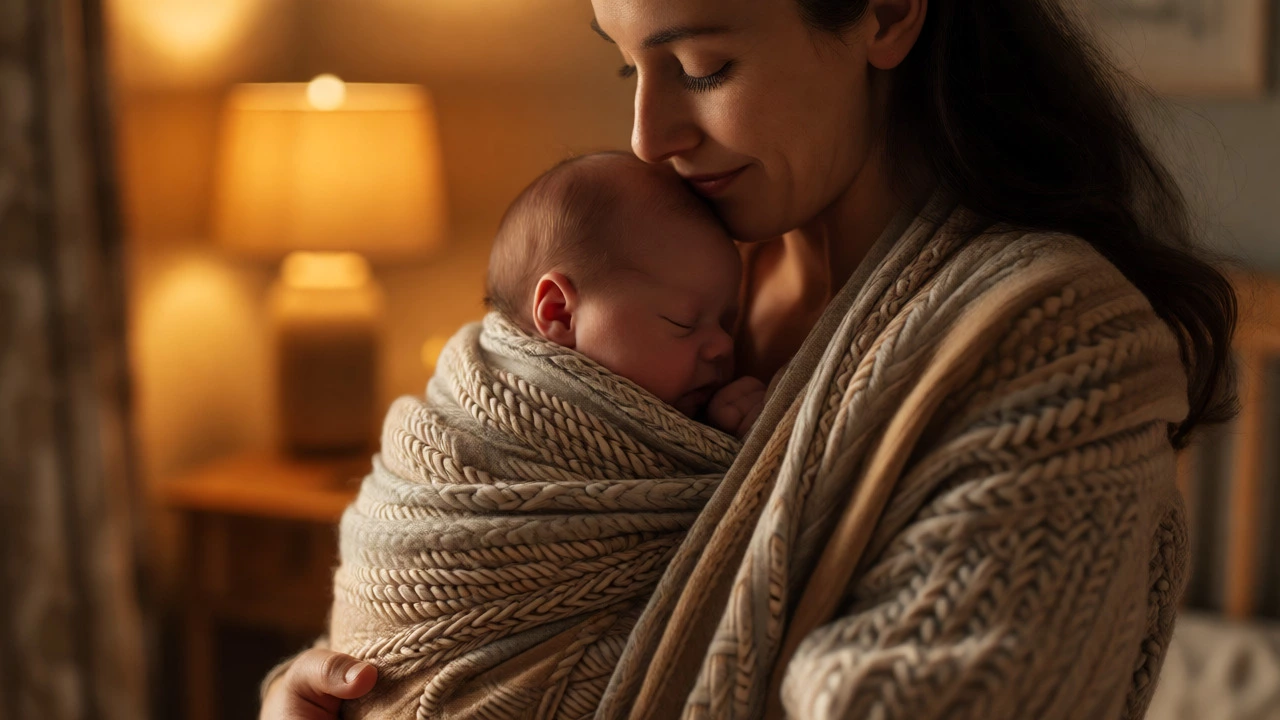
Can you use a carrier the first week home from the hospital? Yes. Pediatricians often recommend skin-to-skin contact immediately after birth, and carriers facilitate this beautifully. For the first three months, your baby is in what experts call the fourth trimester. They crave warmth, rhythm, and closeness. A soft woven wrap is a long piece of fabric tied around the caregiver's body to distribute weight evenly across shoulders and back. is the gold standard here because it molds to the baby’s tiny, curved spine.
Don’t worry about the month. Worry about the temperature. If it’s December, wear a wool sweater and tuck the baby inside your jacket (the "coat trick"). If it’s July, use a breathable bamboo or muslin wrap. The key rule for newborns is the "T.I.C.K.S." guideline: Tight, In view at all times, Close enough to kiss, Keep chin off chest, Supported back. If you can’t kiss their head easily, they are too low. If their chin touches their chest, their airway might be restricted.
Infants (Months 4-6): The Curiosity Phase
By month four, most babies have better head control. They want to look around. This is where many parents switch from wraps to ring slings a one-shouldered carrier made of a loop of fabric with two rings used for adjustment. or buckle carriers with newborn inserts. Why? Because adjusting a wrap every time you need to nurse or burp can feel like solving a puzzle while balancing a squirming octopus. Slings are quicker.
This is also prime time for spring and early autumn. The weather is mild, making layering easier. You aren’t dealing with extreme heat or biting cold. However, be cautious with forward-facing positions. Many parents think, "My baby is looking around, so I should face them out." Wait. Facing out forces the baby’s legs into a dangling position rather than the ergonomic "froggy" position (knees above bottom). Stick to facing in until they can sit up unsupported, usually around six months.

Active Babies (Months 7-12): Mobility Meets Stability
Once your baby can sit up on their own, the game changes. They are stronger, heavier, and more interested in the world. This is when structured soft-structured carriers (SSCs) are padded, buckled carriers with waistbands and shoulder straps designed for older infants and toddlers. shine. Brands like Ergobaby or BabyBjörn offer models with mesh panels specifically for summer use. If you live in a hot climate, month seven through nine can be brutal. A thick canvas carrier will turn you both into sweatboxes. Look for carriers with ventilation zones.
In colder months, this is the age where you might consider a carrier cover. These are essentially ponchos that attach to your carrier, shielding the baby from wind and rain. Without one, you’re trying to dress a wiggly 8-month-old in a snowsuit before strapping them to your chest. It’s a struggle nobody enjoys. With a cover, you dress them lightly, strap them in, and pull the cover over. Done.
Toddlers (12 Months+): Weight and Endurance
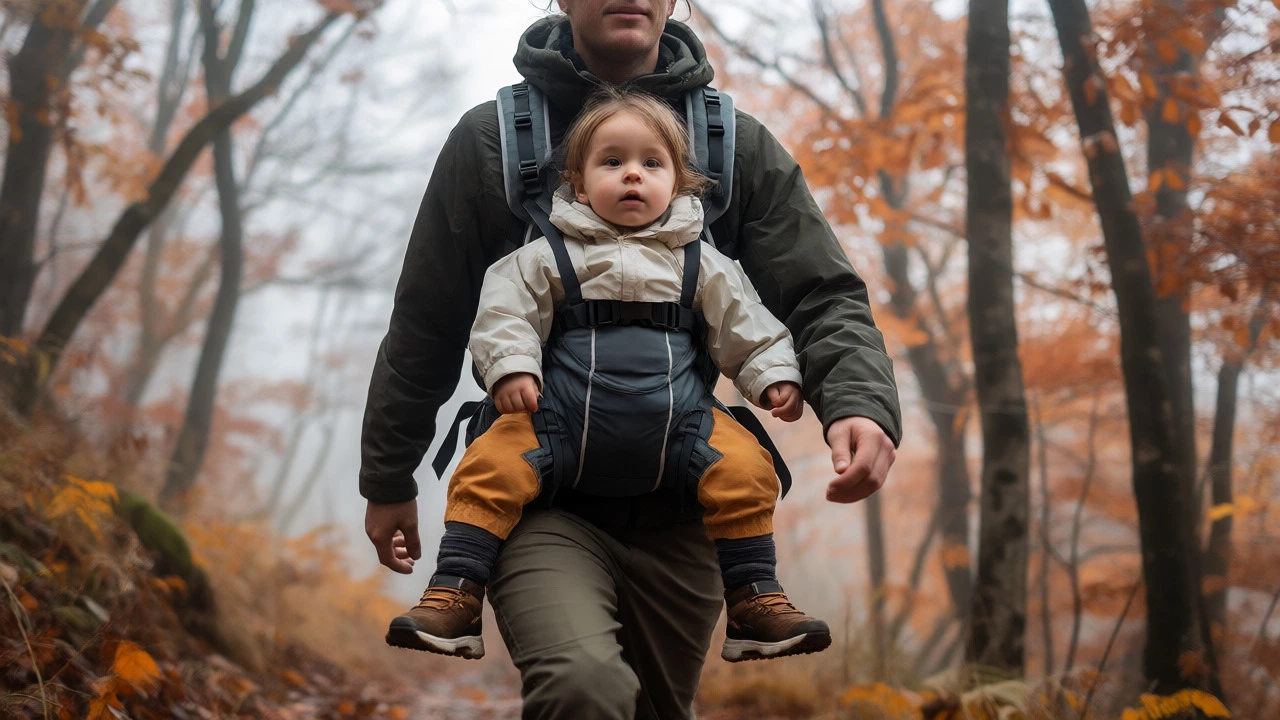
People often ask, "Is my toddler too old for a carrier?" Absolutely not. While walkers tire quickly, toddlers still get overwhelmed. At a busy zoo or a crowded airport, a three-year-old who won’t walk can be carried in a specialized toddler carrier a reinforced carrier with extended seat width and lumbar support for children weighing 25 pounds or more.. These are built differently. They have wider seats to support longer legs and thicker padding for your lower back.
Summer hiking trips become feasible again. A standard backpack doesn’t work for a kid who refuses to carry their own water bottle. A hiking carrier allows you to carry gear and the child simultaneously. Just remember: as the child gets heavier, your center of gravity shifts. Practice walking in your house before tackling uneven trails. And always check the manufacturer’s weight limit. Exceeding it compromises safety.
Seasonal Pitfalls and How to Avoid Them
Let’s address the elephant in the room: Overheating. Babies regulate temperature poorly. In summer, the risk isn’t just discomfort; it’s hyperthermia. If you’re wearing a synthetic polyester carrier in August, you’re trapping heat against the baby’s back. Opt for natural fibers like cotton, linen, or hemp. These breathe. Also, avoid bundling. If you’re warm, the baby is warmer. Dress them one layer less than yourself.
Winter brings its own set of issues. Bulky coats don’t fit over carriers. Trying to zip a puffy jacket over a baby strapped to your chest looks ridiculous and restricts movement. Instead, use the layering method. Wear a thermal base layer, a fleece mid-layer, and a shell coat. Put the baby in a onesie and light sweater. Strap them in. Then put on your coat. If it’s windy, add a windbreaker or a dedicated carrier blanket. Never leave the baby exposed to direct wind for long periods.
How to Decide: Your Personal Timeline
So, what month do *you* use a baby carrier? Here is a quick decision tree:
- Are you recovering from a C-section? Wait until your incision heals (usually 6 weeks) before using waist-banded carriers. Slings or wraps that distribute weight on shoulders may be okay sooner, but check with your doctor.
- Do you have reflux? Upright carrying helps digestion. Start early, even in the first few days, if your baby tolerates it.
- Is your baby premature? Consult your pediatrician. Preemies often need more head and neck support and may require specific positioning adjustments regardless of chronological age.
- Are you traveling internationally? Research local norms. In some cultures, babywearing is ubiquitous from day one. In others, strollers dominate. Adapt to your environment, but prioritize safety over social pressure.
Remember, consistency matters more than perfection. You don’t need to wear your baby 24/7. Even 30 minutes a day can soothe a fussy infant and free up your hands for chores. Start small. Try a five-minute walk. See how it feels. Adjust. Repeat.
Common Mistakes Parents Make
One major error is ignoring hip health. The International Hip Dysplasia Institute recommends that babies’ legs be in a spread-squat position (like a frog) in carriers. If their legs dangle straight down, it can stress developing hips. This applies whether you’re using a carrier in March or September. Always check the seat width. It should extend from knee to knee.
Another mistake is assuming all carriers are adjustable. Some cheap options lack proper adjustability for different body types. If you and your partner differ significantly in height or torso length, invest in a carrier with extensive adjustment ranges. A poor fit leads to back pain, which leads to abandoning the carrier altogether. Don’t let bad ergonomics ruin a great tool.
Can I use a baby carrier in the shower?
No. Most carriers are not waterproof and taking a wet baby out of a wet carrier increases hypothermia risk. Additionally, slipping hazards increase significantly. Keep carriers dry unless specifically designed for swimming (rare).
Is it safe to sleep in a baby carrier?
Short naps are generally safe if the baby is upright, their airway is clear, and you are awake and alert. For long sleep periods, move the baby to a flat, firm surface. Falling asleep with a baby in a carrier while sitting or reclining can lead to positional asphyxia.
What is the maximum age for babywearing?
There is no strict upper age limit. It depends on the child’s weight and the carrier’s capacity. Some parents wear children up to 4 years old (approx. 40 lbs) using toddler-specific carriers. Once the child walks confidently and prefers independence, usage naturally declines.
Do baby carriers help with colic?
Yes, many parents report relief. The upright position aids digestion, and the rhythmic motion of walking can soothe crying episodes. Skin-to-skin contact in a carrier also releases oxytocin, reducing stress hormones for both parent and baby.
Which month is best for starting babywearing?
Any month works. The best time is when you feel ready and the baby is healthy. Newborns can be worn immediately with proper support. Older babies adapt quickly too. Focus on the baby’s developmental stage rather than the calendar date.