Kids' Backpack Fit & Utility Calculator
Find out if swapping your large rucksack for a miniature kids' backpack is right for you. Adjust the sliders to reflect your daily habits and physical profile.
Recommendation
Adjust the settings on the left and click "Analyze Suitability" to get your personalized backpack assessment.
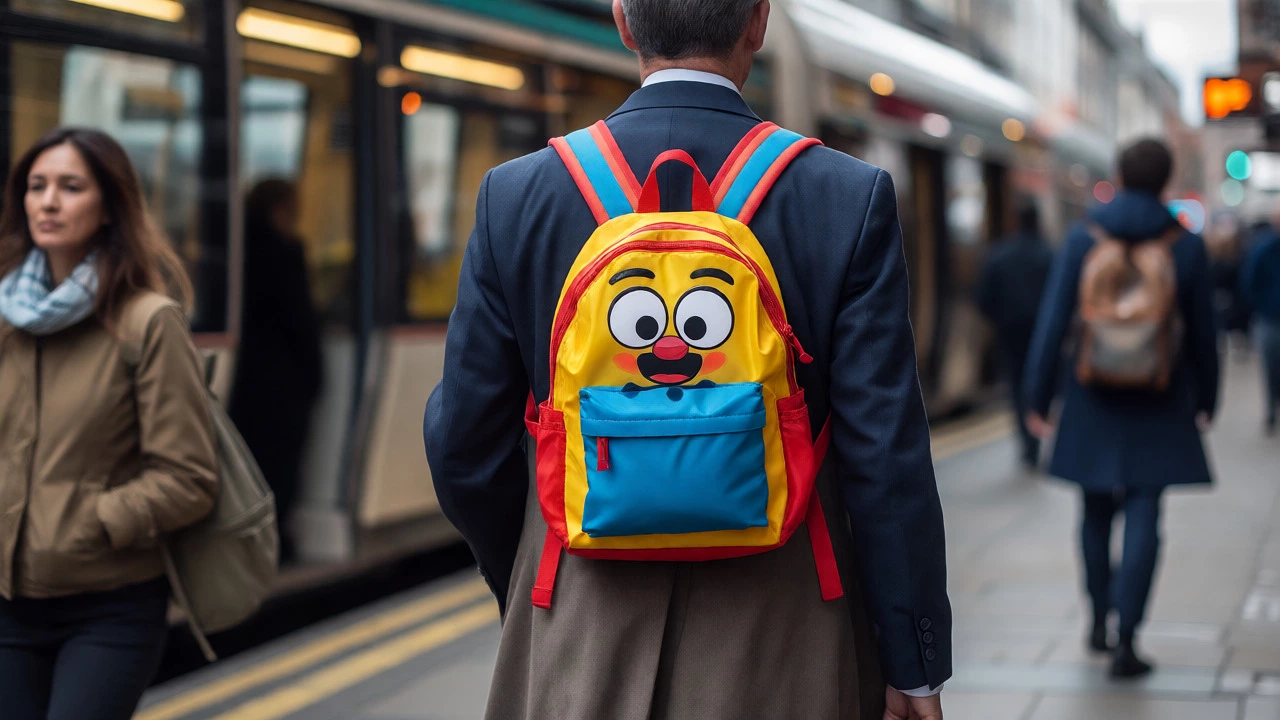
You’ve probably seen it on the Tube in London or while walking through Bristol’s Harbourside. A grown adult, fully capable of carrying a laptop and a gym kit, is wearing a tiny, cartoon-covered backpack that looks like it belongs to a six-year-old. It’s not a mistake, and they aren’t pretending to be children. This is the mini backpack trend, a fashion movement where adults are ditching oversized totes for miniature versions of school gear.
It seems counterintuitive at first glance. Why would someone with a full-time job choose a bag that barely fits a smartphone? Is it just irony? While there is a layer of playful nostalgia involved, the reasons run deeper than simple aesthetics. From practical ergonomic shifts to a psychological desire for simplicity, the rise of the kid-sized bag tells us a lot about how we view utility, status, and comfort in 2026.
The Rise of Micro-Utility
Let’s look at what people actually carry these days. Ten years ago, you needed space for a physical planner, a heavy wallet, sunglasses, and maybe a paperback novel. Today, most of that has migrated to the smartphone. With digital wallets replacing cash and apps handling our schedules, our daily load has shrunk dramatically. If your essentials fit in a pocket, why lug around a bulky rucksack?
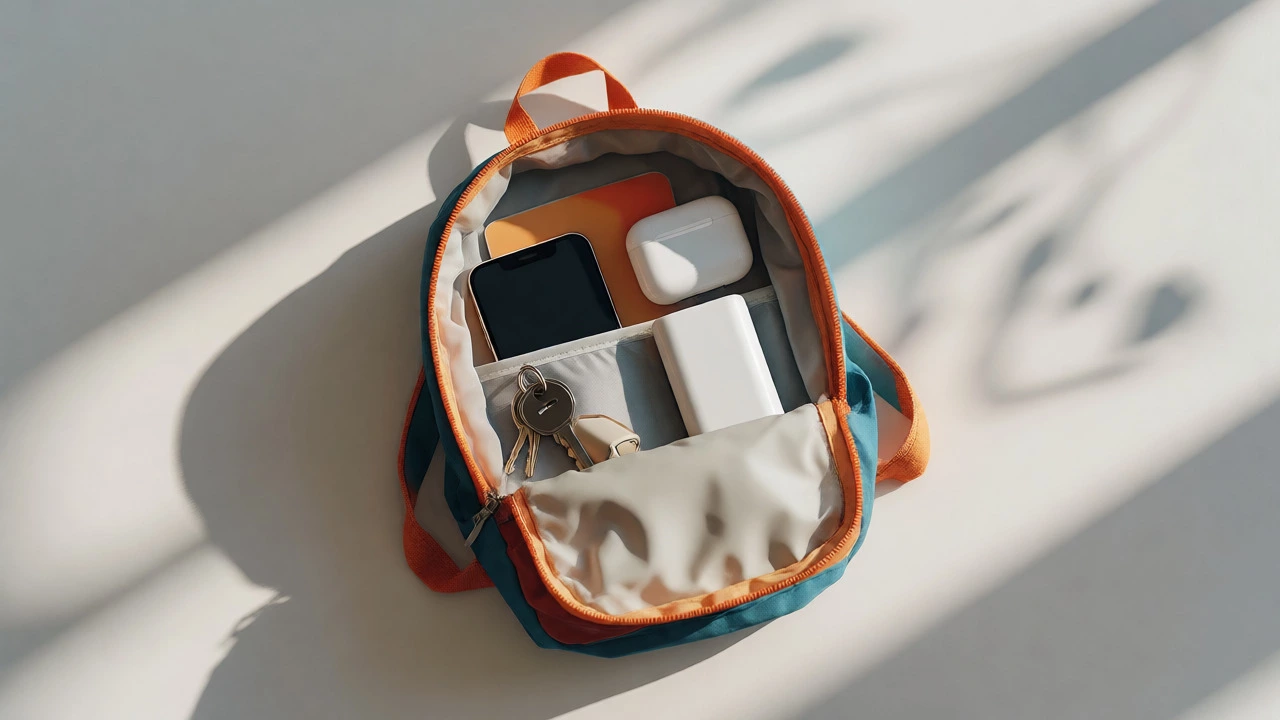
This shift has created a demand for "micro-utility." Adults want hands-free convenience without the visual weight of a large bag. A kids' backpack, typically ranging from 10 to 15 liters in capacity, offers just enough room for keys, a compact umbrella, a power bank, and a phone. It solves the problem of needing to carry things without making a statement about how much you’re carrying. It’s efficient, lightweight, and surprisingly liberating when you realize you don’t need to pack for every possible emergency scenario.
Nostalgia as a Comfort Mechanism
There is an undeniable emotional component here. For many millennials and Gen Z adults, childhood represents a time of lower stakes. Wearing a Jansport or a bright primary-colored Pottery Barn Kids bag triggers a sense of safety and simplicity. It’s a subtle form of escapism.
Think about the design language of these bags. They often feature rounded edges, cheerful colors, and recognizable characters like Pokémon or Disney icons. These elements are psychologically soothing. In a high-stress work environment, having a small, familiar object attached to your back can act as a grounding mechanism. It’s not about being childish; it’s about reclaiming a piece of carefree identity in a world that demands constant professionalism. You’re signaling that you haven’t lost your sense of play, even if you’re currently worrying about mortgage rates.
Fashion Cycles and the "Anti-Bag" Movement
Fashion moves in pendulums. After decades of "normcore" and massive, slouchy leather totes that dominated the 2010s, designers swung hard in the opposite direction. Brands like Prada and Balenciaga released micro-bags that were functionally useless but visually striking. However, luxury micro-bags cost thousands of pounds and hold nothing but lipstick.
The adoption of actual kids' backpacks is a democratic twist on this trend. Instead of buying a £800 designer clutch that fits nothing, savvy shoppers realized they could buy a durable, functional nylon backpack from a children’s department for £30. It captures the aesthetic appeal of the micro-bag trend-small, structured, and distinct-while retaining actual utility. It’s a smart hack that rejects the absurdity of high-fashion impracticality while still participating in the visual language of smallness.
| Feature | Standard Adult Backpack | Kids' Backpack (Used by Adults) |
|---|---|---|
| Average Capacity | 20-30 Liters | 10-15 Liters |
| Typical Weight | 1.0-1.5 kg (empty) | 0.4-0.7 kg (empty) |
| Pocket Structure | Complex (laptop sleeve, hidden pockets) | Simple (main compartment + front zip) |
| Aesthetic Vibe | Professional, Neutral, Tech-focused | Playful, Nostalgic, Bold Colors |
| Price Range (UK) | £40-£150+ | £15-£40 |
Ergonomics and Posture Health
Here is a point that often gets overlooked: health. Many office workers suffer from shoulder strain due to carrying heavy laptops and water bottles in unevenly distributed bags. Kids' backpacks are engineered for smaller bodies, which means they have shorter straps and a more compact center of gravity.
For adults with narrower shoulders, these bags often sit higher on the back, preventing the "slump" effect caused by heavy bottom-heavy loads. Because the capacity is limited, you physically cannot overpack them. You hit the zipper limit before you hurt your back. It’s a built-in constraint system. If you tend to stuff your bag with books you’ll never read or snacks for a week, a kids' backpack forces you to curate what you actually need. Your spine might thank you for the discipline.
Social Signaling and Identity
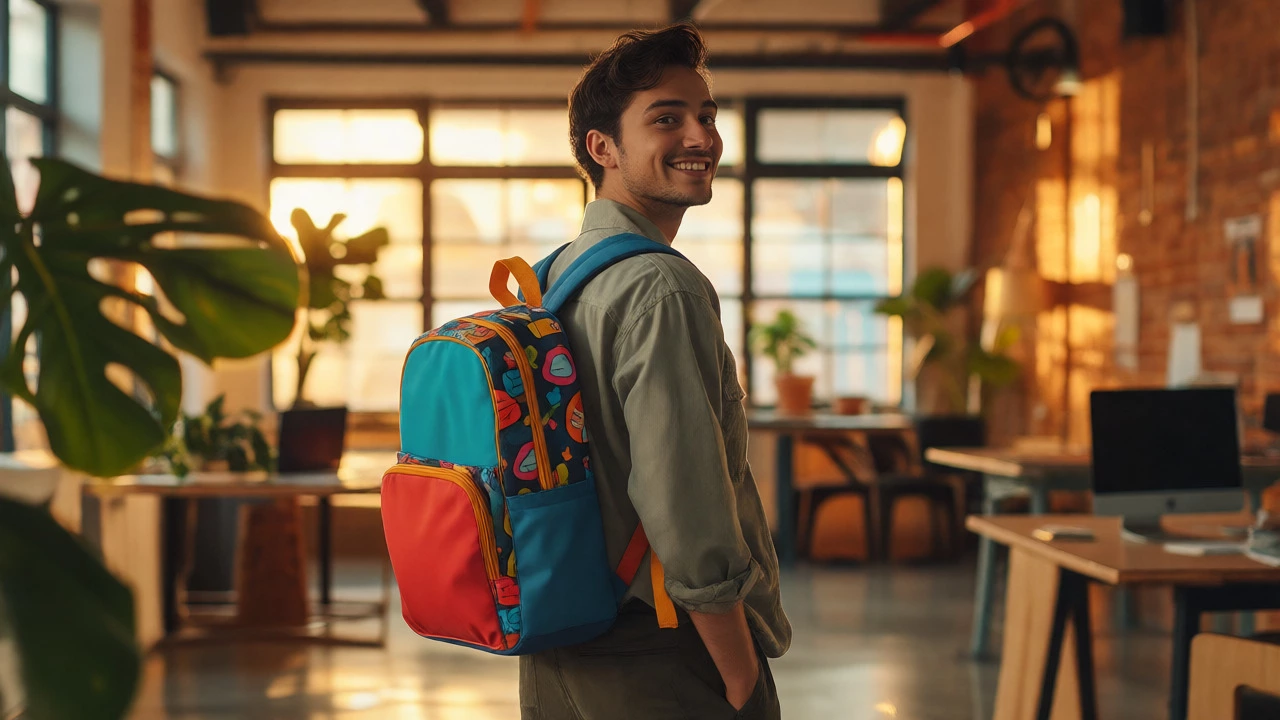
What does wearing a tiny backpack say about you? In social circles, particularly among creatives and tech workers, it signals approachability. A sleek, black corporate briefcase says, "I am busy, do not disturb." A colorful, slightly worn kids' backpack says, "I am relaxed, I have hobbies, and I don’t take myself too seriously."
This aligns with the broader cultural shift away from rigid professional uniforms. We are seeing a decline in formal dress codes across industries. Accessories follow suit. Wearing a kids' backpack is a low-effort way to inject personality into a neutral outfit. It sparks conversation. People smile when they see it. It breaks the ice in a way that a generic grey tote never could. It’s a badge of belonging to a community that values authenticity over polish.
Practical Considerations Before You Buy
If you’re thinking about joining the trend, don’t just grab the cheapest option. Not all kids' bags are created equal. Here is what to check:
- Strap Length: Ensure the straps adjust long enough. Some budget brands stop short for adults over 5'9". Look for adjustable webbing.
- Material Durability: Nylon is great for weather resistance, but canvas ages better aesthetically. Check for reinforced stitching at stress points.
- Closure Type: Magnetic snaps are convenient but less secure than zippers. If you commute, stick to zippers.
- Interior Layout: Most lack padded laptop sleeves. If you carry a tablet, consider adding a separate protective case.
Also, consider the washability. Kids' bags are designed to survive juice spills and mud. Machine-washable nylon is a huge plus for adults who want zero-maintenance gear.
FAQ: Common Questions About Adult Use of Kids' Bags
Is it weird for men to wear kids' backpacks?
Not at all. The trend is gender-neutral. Many brands offer solid colors or retro athletic designs that appeal broadly. As long as the fit is correct, it’s viewed as a stylish, practical choice rather than a costume.
Can a kids' backpack really fit a laptop?
Generally, no. Most standard kids' backpacks (under 15L) are too shallow for modern 13-inch or 14-inch laptops unless you remove the padding. They are best suited for tablets, e-readers, or phones. If you need a laptop, look for "junior" sizes intended for older elementary students, which sometimes accommodate slim devices.
Which brands are popular for this trend?
Jansport remains a top choice due to its classic silhouette and durability. Pottery Barn Kids offers more polished, adult-friendly prints. High-end alternatives include Marc Jacobs’ "The Snapshot" line, though these are significantly more expensive. For budget-conscious buyers, Uniqlo and H&M kids' sections often have minimalist options.
Do these bags cause back pain?
They usually reduce back pain because they prevent overpacking. However, if the straps are too short for your torso, they can pull awkwardly on your shoulders. Always test the fit in-store or check return policies to ensure the harness sits comfortably between your shoulder blades.
Is this trend going to last?
While specific print trends change, the move toward minimalism and smaller everyday carry (EDC) gear appears sustainable. As long as smartphones continue to replace larger personal items, the demand for compact, hands-free storage will remain strong.
Next Steps: Trying the Trend
If you’re curious, start small. Don’t commit to a loud pattern immediately. Visit a local retailer or browse online for a solid-color, medium-sized kids' backpack. Wear it for a day of errands rather than a full workday. Notice how your posture feels and whether you miss the extra pockets. You might find that less really is more, both in your bag and in your head.