Toddler Blanket Readiness Checker
Answer the following questions based on your child's current milestones to check if they are ready for a loose blanket.
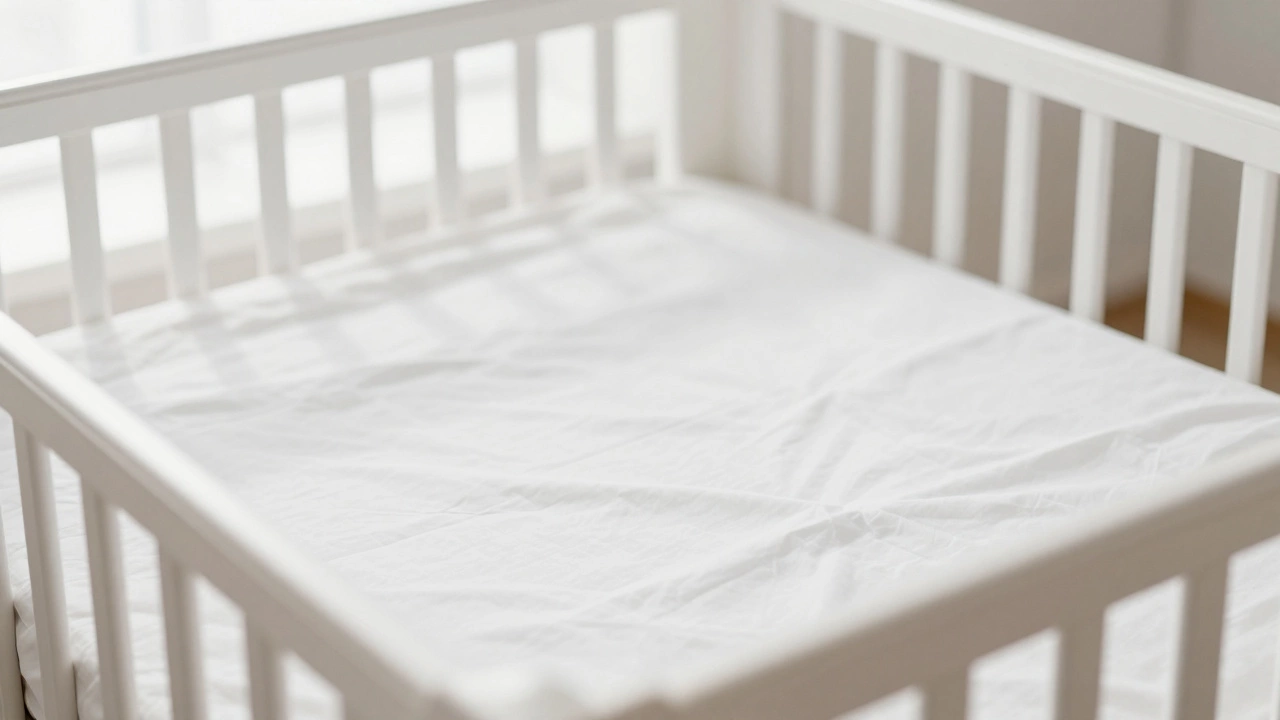
Главное, let's get the basics straight. toddler sleep safety is the practice of maintaining a sleep environment that minimizes risks of SIDS, suffocation, and overheating for children under the age of 2. This means for the first 12 months, the gold standard is a completely clear crib. No pillows, no stuffed animals, and definitely no loose blankets. By the time your child hits 12 months, most have the motor skills to navigate a blanket, but every child develops at a different pace.
The 12-Month Rule and Why It Exists
You've probably heard the "one year" mark mentioned a lot. This isn't a random number. Around 12 months, most babies have developed the core strength and coordination to roll over and push things away from their airway. When a baby is under a year old, their reflexes aren't fully cooked. If a blanket covers their nose, they might not have the instinct or the strength to pull it off, which can lead to carbon dioxide buildup or suffocation.
If your child is 12 months old but still struggles to sit up or seems "floppy," hold off. On the other hand, if they are 10 months old and basically a tiny gymnast who can climb out of the crib, they might be physically ready, but the safety guidelines still suggest waiting until the one-year mark to be safe. It's a low-risk, high-reward situation: waiting a couple more months prevents a potentially fatal accident.
Choosing the Right Blanket for a Toddler
Not all blankets are created equal. If you go straight from a sleep sack to a heavy weighted quilt, you're asking for trouble. The goal is to find something that provides warmth without being a hazard. Avoid anything with long fringes, lace, or loose threads that could wrap around a tiny finger or toe. Heavy, plush fabrics that are too "shaggy" can also be a choking or suffocation risk if the child presses their face deep into the pile.
| Blanket Type | Pros | Cons | Safety Rating |
|---|---|---|---|
| Muslin/Cotton | Breathable, lightweight | Not very warm for winter | High |
| Fleece | Very warm and soft | Can overheat the child | Medium |
| Weighted Blankets | Calming for some | Risk of trapping the child | Low (Avoid for toddlers) |
| Knitted/Crochet | Classic look | Threads can catch fingers | Medium |
A great starting point is a lightweight cotton blanket. It's breathable and won't cause your toddler to overheat. If you're in a cold climate like the UK during January, layer their pajamas rather than adding a massive, heavy duvet. Overheating is actually a known risk factor for SIDS Sudden Infant Death Syndrome, which is the unexplained death of a baby under one year of age , and while the risk drops significantly after age one, keeping a cool environment is still a smart move.
The Transition from Crib to Toddler Bed
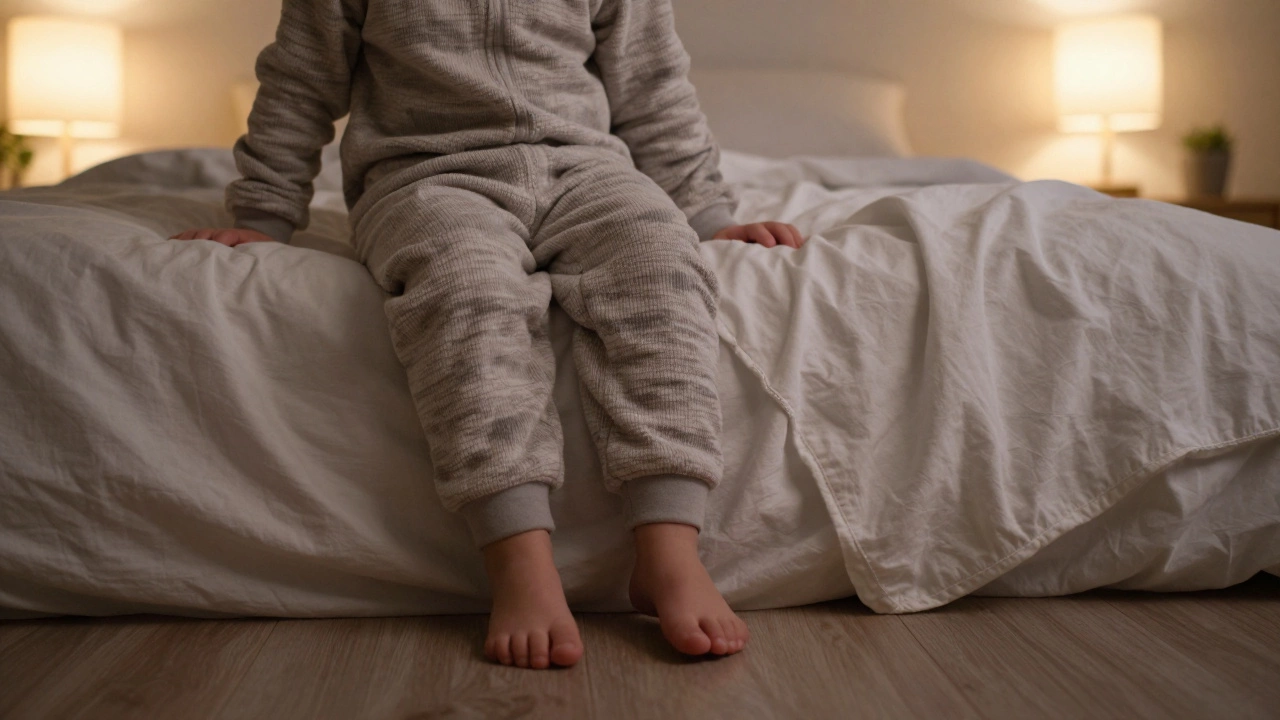
Moving to a toddler bed is a small bed designed for children who have outgrown a crib but aren't ready for a full twin bed . This is usually when the blanket conversation becomes most urgent. In a crib, the blanket is contained; in a bed, it's everywhere. The biggest challenge here isn't actually the blanket itself, but the fact that toddlers are notorious for kicking their covers off in the middle of the night.
When you make the switch, try introducing the blanket during nap time first. Let them get used to the feeling of it while you're awake and watching. If they constantly kick it off, don't fight the battle. Instead, use the "layering method." Put them in warm pajamas and give them a light blanket. If they kick it off, they're still warm in their PJs. This prevents the 3 AM wake-up call because they're freezing.

Safe Alternatives for the "In-Between" Stage
If you're not quite comfortable with a loose blanket but your child is freezing in a basic pajama set, there are middle-ground options. Sleep Sacks wearable blankets that zip up to keep the child warm without the risk of loose bedding are the gold standard for infants, but you can get "transition bags" that have holes for the feet. These allow your toddler to walk and move around more easily while still keeping their core warm.
Another option is a sleep bag with a two-way zipper. This makes diaper changes a breeze and ensures the blanket can't be pulled over their head. If your child has a specific "comfort object" like a small security blanket (a "lovey"), that's usually fine once they are over a year old, as these are typically too small to cause suffocation but provide the emotional security they need to fall asleep.
Signs Your Toddler is Ready for a Blanket
Beyond the 12-month mark, look for these behavioral cues. Does your child try to pull your blankets over themselves when they cuddle with you on the sofa? Do they have the coordination to push a toy away from their face? These are all signs that their brain and body are working together to manage their environment. If they are still in a phase where they put everything in their mouth and can't easily navigate their own limbs, a few more weeks of sleep sacks won't hurt.
One common mistake is thinking a blanket will help a child sleep longer. In reality, blankets are about temperature regulation and comfort. If your child is waking up frequently, it's more likely due to teething, growth spurts, or a need for a routine change rather than the lack of a blanket. Don't introduce a blanket as a "sleep training" tool; introduce it as a comfort and warmth tool.
Common Pitfalls to Avoid
Avoid the temptation to use adult pillows and heavy comforters. An adult-sized duvet is far too heavy for a two-year-old. If they get tangled in it, they might struggle to get out. Use blankets specifically marketed for toddlers or children. They are smaller, lighter, and designed for their size.
Also, be careful with the "nesting" urge. It's tempting to surround your toddler with pillows and plushies to make the bed look cozy, but this increases the risk of them rolling into a soft surface and obstructing their breathing. Keep the sleep surface firm and the surrounding area clear of excessive clutter. A single favorite stuffed animal is usually fine, but a mountain of pillows is a safety hazard.
Is it safe to give a 10-month-old a blanket?
Generally, no. Most pediatricians and safety organizations recommend waiting until 12 months. At 10 months, many babies still lack the full coordination to reliably remove a blanket from their face if it slips, which poses a suffocation risk. Stick to sleep sacks or wearable blankets until their first birthday.
What is the safest type of blanket for a toddler?
Breathable fabrics like cotton or muslin are the safest. They allow air to circulate and are less likely to cause overheating. Avoid heavy, shaggy materials, or blankets with long fringes and tassels that could wrap around a child's limbs or be inhaled.
My toddler keeps kicking off their blanket, what should I do?
This is incredibly common. The best solution is to focus on their sleepwear. Use heavier flannel or fleece pajamas so that they stay warm even when the blanket ends up on the floor. This prevents them from waking up cold and keeps you from having to get up every hour to tuck them back in.
Can toddlers use weighted blankets for anxiety or sleep?
Weighted blankets are generally not recommended for toddlers without strict medical supervision. They can be too heavy for a small child to move independently, which creates a significant risk of suffocation or entrapment. If you feel your child needs a weighted sensation, talk to your pediatrician about safe alternatives.
When should I switch from a sleep sack to a blanket?
The transition usually happens between 12 and 18 months. If your child is fighting the sleep sack, trying to unzip it, or if they have a toddler bed and can easily move around, it's a good time to try a blanket. Just ensure they have the motor skills to move the blanket away from their face.
Next Steps for Parents
If you've decided your child is ready, start by picking a lightweight cotton blanket. Try it out during a daytime nap while you're in the room. Observe how they interact with it-do they pull it up? Do they push it away? If they seem comfortable and safe, you can move to nighttime use.
For those moving into a toddler bed, consider installing a bed rail. This prevents the child from rolling out of bed while they are getting used to the new feeling of a blanket and a larger mattress. Once they are settled, you can gradually introduce slightly warmer blankets as the seasons change, always keeping an eye on their temperature to make sure they aren't sweating through their pajamas.