When to Start Potty Training: Signs, Tips, and What Works for UK Kids
When to start potty training isn’t about hitting a calendar date—it’s about watching your child’s body and behavior. potty training, the process of teaching a toddler to use the toilet instead of diapers. Also known as toilet training, it’s a milestone that happens differently for every child, and trying to rush it often leads to frustration for everyone. There’s no magic age, but most UK kids show clear signs between 18 months and 3 years. Some are ready earlier. Others take longer. And that’s completely normal.
Look for the quiet signals, not the loud ones. Does your child stay dry for two hours or more? Do they seem bothered by dirty diapers? Do they copy you or siblings in the bathroom? These are real clues—not just wishful thinking. toddler toilet training, the practical phase where a child learns to recognize and respond to bodily urges works best when you follow their lead, not a blog post or well-meaning relative. And don’t confuse readiness with willingness. A child might understand the concept but still refuse to sit on the potty. That’s not defiance—it’s fear, discomfort, or just not quite there yet.
potty training age, the typical window when children develop the physical and cognitive skills needed for toilet independence varies widely. Some start at 20 months and finish by 2.5. Others aren’t fully trained until after 3. Studies from the UK’s National Health Service show that children who start after 27 months often learn faster and with fewer accidents. Why? Their bladder control, language skills, and ability to follow simple instructions are more developed. That doesn’t mean you wait until they’re 3. It means you wait until they’re showing consistent signs—not because you’re behind, but because you’re smart.
What you use matters too. A small potty that feels safe and stable? Better than a big, scary toilet. Pull-ups? Fine for outings, but not for daily training—they feel too much like diapers. Simple underwear with fun designs? That’s the real game-changer. Kids want to wear them. And when they do, they feel the wetness. That sensation is what teaches them faster than any reward chart.
And don’t forget the environment. Is your bathroom warm? Is the potty easy to reach? Are you calm when accidents happen? Stress and pressure don’t speed things up—they slow them down. The best training happens in low-stakes moments: after a bath, before bedtime, during quiet play. No yelling. No bribes. Just gentle reminders and lots of praise for trying.
You’ll find posts here that break down exactly what to look for in your child’s behavior, which potty types UK parents actually recommend, how to handle night-time wetting, and why some kids take longer than others. We’ve got real stories from mums and dads who’ve been there—no fluff, no pressure, just what works when you’re tired, busy, and doing your best.
What Is the Easiest Age to Potty Train? Realistic Timing and Signs Your Toddler Is Ready
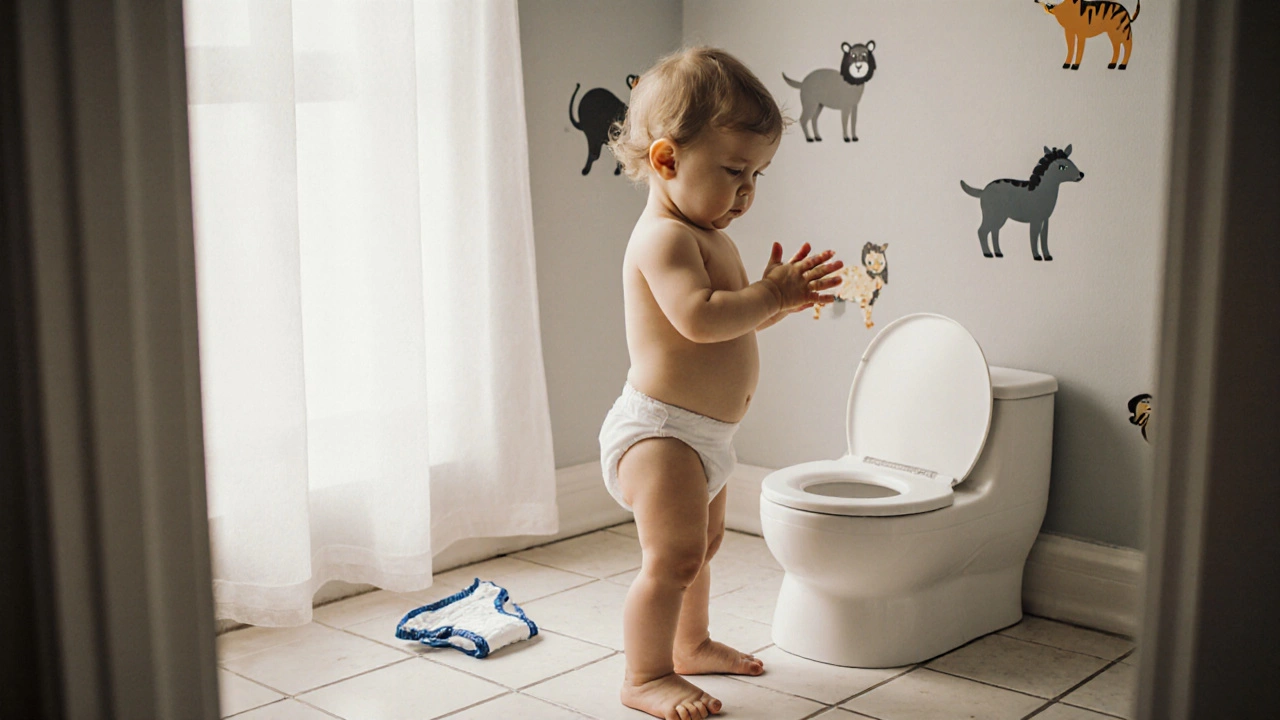
The easiest age to potty train isn't about hitting a specific birthday-it's about watching for your child's readiness signs. Most toddlers in the UK show they're ready between 22 and 30 months, but some take longer. This guide breaks down what real readiness looks like, what doesn't work, and how to stay calm through the process.
view more