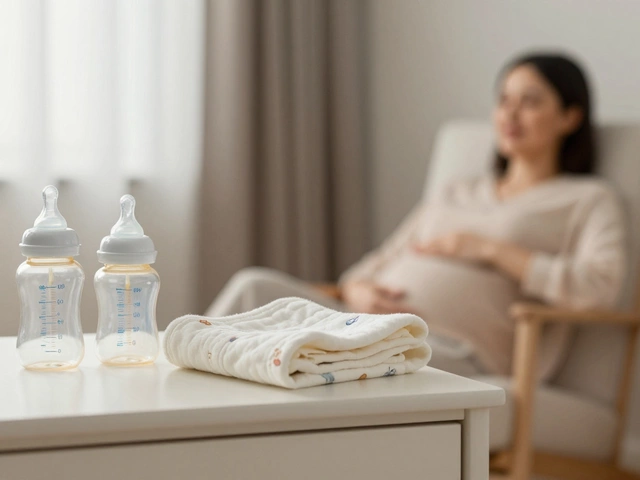
Safe Sleep for Babies: What Works, What Doesn’t, and How to Get It Right
When it comes to safe sleep for babies, the set of practices and environments that reduce the risk of SIDS and other sleep-related dangers for infants. Also known as infant sleep safety, it’s not just about where your baby sleeps—it’s about everything around them while they’re asleep. This isn’t about following old myths or fancy gadgets. It’s about simple, proven actions that actually protect your baby’s breathing and body during sleep.
Safe sleep for babies includes knowing the right crib safety, the standards for a sleep space that prevents suffocation, entrapment, or overheating. That means a firm mattress with no pillows, blankets, or stuffed animals. No bumpers. No soft bedding. Just your baby, a fitted sheet, and a bare crib. It also means placing your baby on their back every single time, even if they roll over on their own later. And it means keeping them in the same room as you, but not in the same bed—this alone cuts the risk of SIDS by half, according to UK pediatric guidelines.
Then there’s the baby monitor, a device used to watch or listen to a sleeping infant from a distance. Not all monitors are created equal. Some wearable ones claim to track breathing and heart rate, but experts warn they can give false alarms and cause more stress than safety. A simple audio monitor or even turning your iPhone into a reliable monitor with the right app can work just as well—without the risk of skin irritation or misleading data. And don’t confuse a monitor with a safety tool. It doesn’t prevent SIDS. It just lets you hear if something’s wrong.
What you don’t see matters too. The infant sleep environment, the complete physical and behavioral setup surrounding a baby’s sleep time includes room temperature, airflow, and even how you dress your baby. Overheating is a hidden danger. A onesie and a light sleep sack are better than blankets. Keep the room cool—around 16–20°C is ideal. Open a window slightly if you can. And never let your baby sleep on a sofa, armchair, or cushioned surface—even if you’re watching them. Those spots are deadly for newborns.
You’ll also find advice here on how to handle baby carriers safely during naps, why some gates are better than others for keeping your baby contained at night, and what to do if your baby is larger than average—like a 10-pound newborn—when choosing gear. We’ve pulled real tips from UK parents who’ve been there: the ones who skipped the expensive monitors, switched to breathable sleep sacks, and learned to trust their instincts over marketing claims.
This isn’t about perfection. It’s about progress. You don’t need a Montessori baby room or a $500 stroller to give your baby safe sleep. You need clear facts, simple rules, and the confidence to follow them—even when everyone else is doing something different. Below, you’ll find real guides that break down exactly what works, what to avoid, and how to make safe sleep part of your daily routine without the overwhelm.
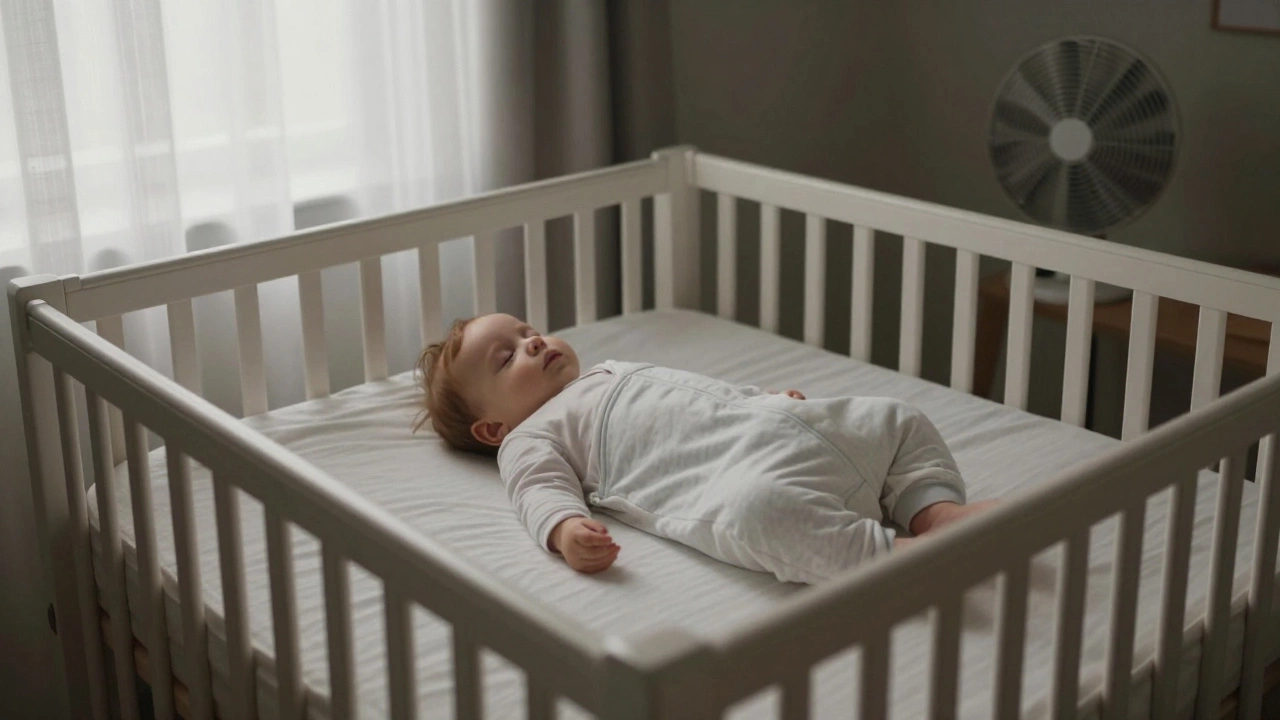
What Reduces SIDS the Most? Evidence-Based Ways to Protect Your Baby
The most effective way to reduce SIDS is placing your baby on their back to sleep, using a bare crib, room sharing without bed sharing, avoiding smoke, and offering a pacifier. These proven steps work better than any monitor or gadget.
view more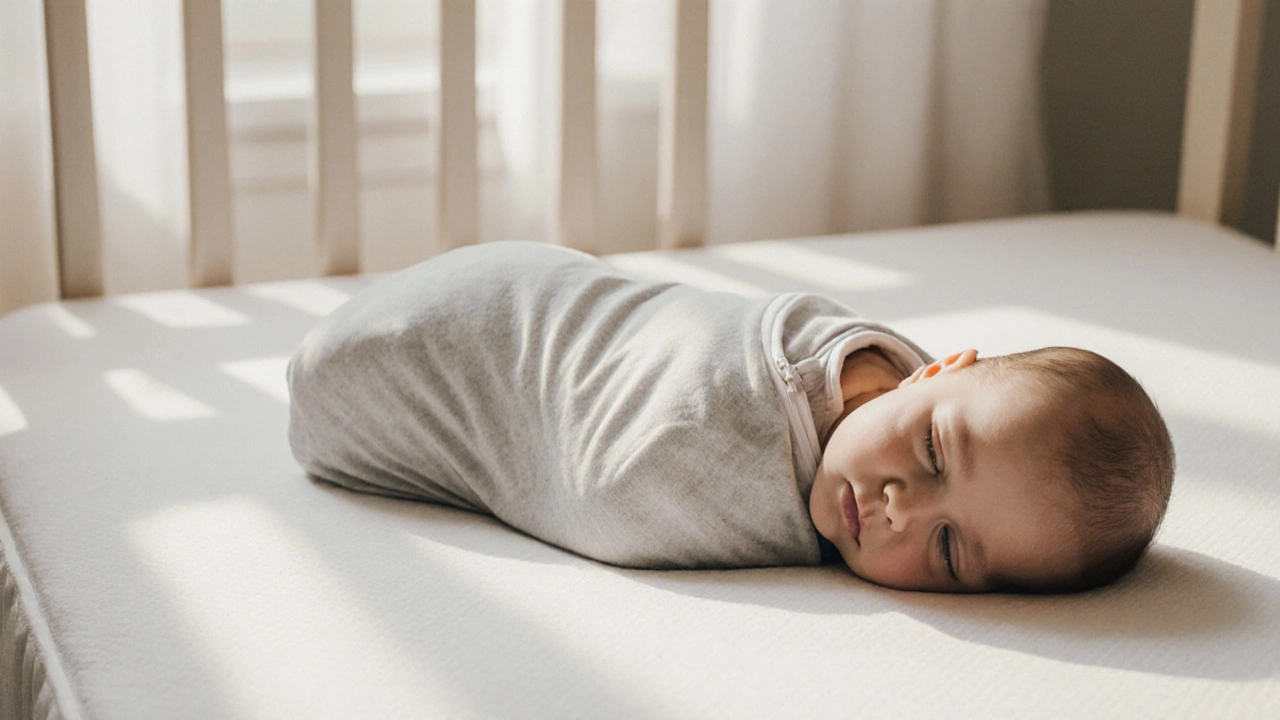
What to Use Instead of a Baby Blanket: Safe Sleep Alternatives
Discover safe, pediatrician-approved alternatives to baby blankets for better sleep and reduced SIDS risk. Learn about swaddle sacks, sleep sacks, loveys, and what to avoid.
view more