

Nursery Readiness Calculator
How Ready Is Your Child for Nursery?
Answer these simple questions about your child's development. This tool helps you determine if your child shows key signs of readiness for nursery based on expert guidelines.
Your Child's Readiness Score
Your child shows signs of readiness for nursery.
Parents often wonder: what age is best to start nursery? It’s not just about finding a spot in a daycare center-it’s about timing the shift in a way that supports your child’s development, your family’s rhythm, and your child’s emotional readiness. There’s no universal answer, but there are clear signs and practical guidelines that help you make the right call for your child.
Most children start nursery between 12 and 24 months
The majority of families begin nursery care between one and two years old. At this age, babies are typically walking, communicating in simple words, and beginning to show interest in other children. They’re not yet ready for structured learning, but they’re ready for social exposure. Daycares designed for toddlers offer sensory play, group songs, and gentle routines that match their energy and attention span.
Starting too early-before 12 months-can be overwhelming. Babies under a year are still forming strong attachments to primary caregivers. Separation anxiety peaks between 8 and 14 months, and putting them in a full-time nursery during this window can lead to increased crying, sleep disruptions, and stress. Many pediatricians recommend waiting until after the first birthday if possible, especially if you’re able to provide consistent, nurturing care at home.
Signs your child is ready for nursery
Ready or not, you might feel pressured by family, friends, or work demands. But the best decisions come from observing your child, not external timelines. Here are real, observable signs your toddler is prepared:
- They can stay calm for 15-20 minutes without you nearby-like playing alone while you’re in another room.
- They respond to simple instructions: “Put the block in the box,” “Come here,” “Wave bye-bye.”
- They show curiosity about other kids-watching them, reaching out, or trying to imitate.
- They’re starting to nap on a schedule, even if it’s not perfectly consistent.
- They can eat soft finger foods without constant help and are learning to drink from a cup.
If your child is still clinging tightly to you, refusing to let go of a comfort item, or breaking into tears every time you leave the room, they may need more time. Pushing them too soon doesn’t speed up development-it just adds stress.
How nursery timing affects sleep and routine
Starting nursery changes your child’s daily rhythm-and yours. Most nurseries operate on a set schedule: breakfast at 8:30, nap at 12:30, snack at 3:00. If your child isn’t used to predictable routines, the transition can throw off sleep patterns for weeks.
Many parents notice their toddlers start waking up earlier or resisting bedtime after starting nursery. Why? They’re processing new stimuli, tired from social effort, and sometimes under-sleeping during the day because the nap isn’t as deep as at home. The fix? Keep home routines as consistent as possible. Same bedtime story, same dim lights, same lullaby-even if the nap schedule at nursery shifts.
Also, avoid switching nursery schedules mid-season. If you start in January, stick with it through spring. Frequent changes confuse toddlers and make adjustment harder.
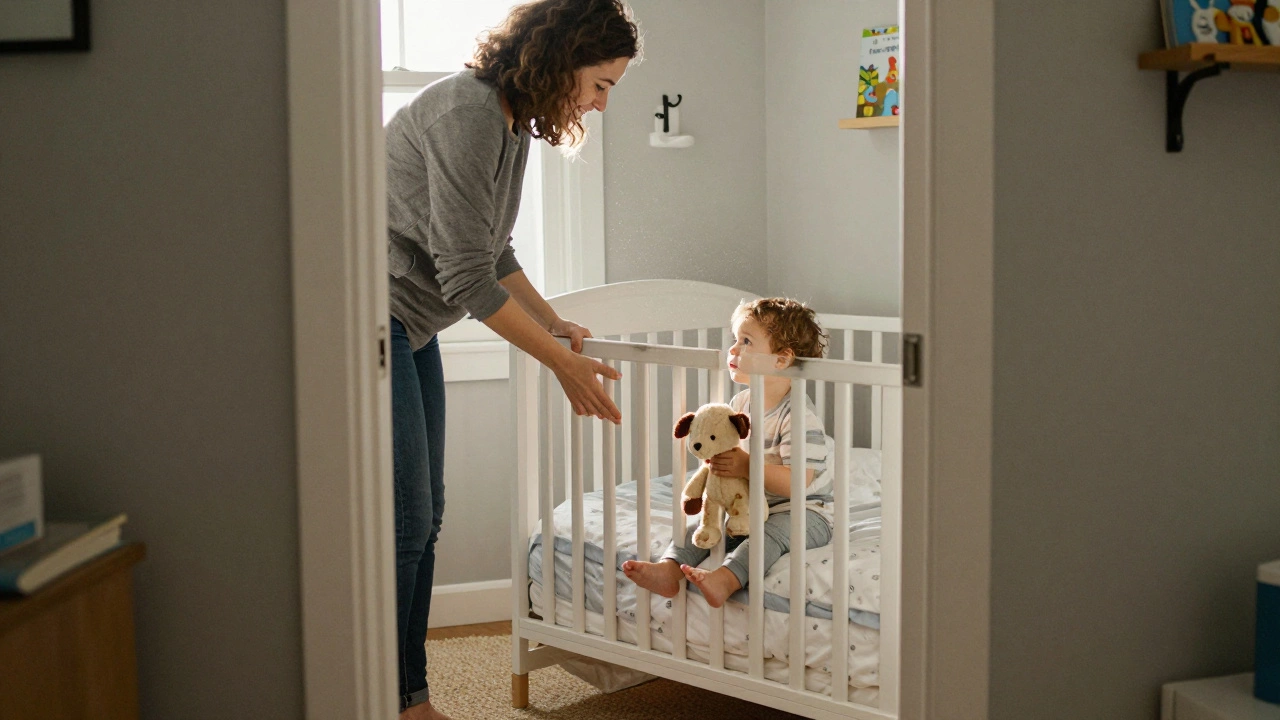
What nursery furniture says about readiness
When you’re thinking about when to start nursery, consider what’s happening at home. Are you buying a toddler bed? Moving from a crib? That’s not just a furniture upgrade-it’s a signal.
Most children transition from a crib to a toddler bed between 18 and 24 months. If you’re making that switch, it often lines up with nursery readiness. A toddler bed means your child is learning independence: climbing in and out, understanding boundaries, and managing personal space. These are the same skills they’ll need in a group setting.
But don’t rush it. If your child is still safely sleeping in a crib, there’s no need to buy a new bed just to “match” nursery. Many nurseries still use cribs for children up to two years old. Focus on readiness, not aesthetics.
Working parents: how to make it work
If you’re returning to work, the decision isn’t just about your child-it’s about logistics. But even here, your child’s needs should guide timing, not just your paycheck.
Many parents start nursery at 12 weeks because of maternity leave limits. That’s fine if the care is high-quality and consistent. But if you can stretch to 12 months, you’ll likely see fewer illnesses, better sleep, and less stress for everyone.
Look for nurseries with low staff turnover and small group sizes. A nursery where the same caregivers stay for years builds trust. Your child will adjust faster if they’re with familiar faces. Ask: “How long have your lead caregivers been here?” Don’t settle for places where staff change every few months.
What to expect in the first month
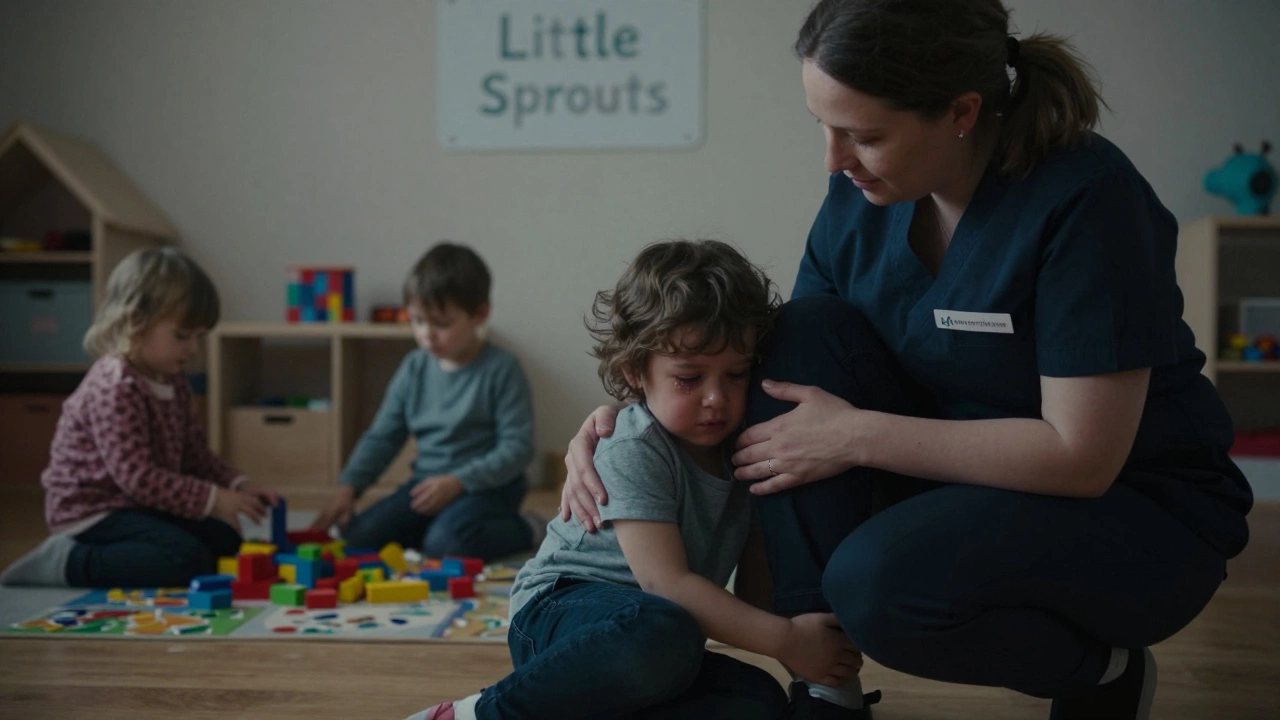
Expect tears. Expect resistance. Expect your child to come home exhausted, clingy, or unusually quiet. That’s normal. The first few weeks are about learning a new world-not learning to behave.
Don’t panic if they don’t eat well at first. Many toddlers refuse food in new settings. Pack familiar snacks. Ask the nursery to offer them at snack time. Don’t force it.
Some children take three weeks to settle. Others take six. It’s not a reflection of your parenting. It’s a reflection of their temperament. Introverted kids often need longer. Outgoing kids might adapt in days.
Ask the nursery for daily photos or notes. Seeing your child smiling during playtime or napping peacefully helps ease guilt. Keep a journal of small wins: “First time she waved goodbye without crying,” “Ate carrots without fuss.” These moments matter more than the tantrums.
Alternatives to full-time nursery
Not every family needs or wants full-time daycare. If you’re unsure, consider:
- Part-time nursery: Two or three mornings a week. Lets your child ease in.
- Parent-and-toddler groups: Weekly play sessions with a facilitator. Great for social exposure without separation.
- Home-based caregivers: A trusted nanny or relative who follows a nursery-style routine at home.
Many parents start with part-time and increase hours as their child adjusts. It’s a gentler path-and often more sustainable.
When to wait
There’s no shame in waiting. If your child is still in diapers, easily overwhelmed by noise, or hasn’t started talking, they may need more time. Some children thrive in nursery at 18 months. Others don’t settle until they’re three. Neither is wrong.
Children who start later often catch up quickly. Research from the University of Cambridge shows no long-term academic advantage to starting nursery before age two. What matters more is the quality of care-whether at home, with a nanny, or in a small group setting.
If you’re waiting, don’t isolate your child. Take them to the park, join a library storytime, invite other toddlers over. Social skills grow in small doses, not just in nurseries.
Final checklist: Are you ready?
Before you sign the nursery contract, ask yourself:
- Is my child physically ready? (Can they sit, walk, eat soft foods, nap on a schedule?)
- Are they emotionally ready? (Do they show curiosity about others? Can they handle short separations?)
- Is the nursery clean, calm, and staffed by consistent caregivers?
- Can I manage the drop-off and pick-up routine without burnout?
- Am I doing this because it’s best for my child-or because I feel pressured?
If most answers are yes, you’re likely on the right track. If you’re unsure, wait a few more months. Your child won’t fall behind. They’ll just be more ready when they get there.
Is it okay to start nursery before my child turns one?
It’s possible, but not ideal for most children. Babies under 12 months are still forming deep emotional bonds with their primary caregivers. Starting nursery too early can increase stress and separation anxiety. If you must, choose a home-based or small-group setting with one-on-one attention, and keep drop-offs brief and calm.
How long does it take for a child to adjust to nursery?
Most children adjust within two to six weeks. Some settle in a few days; others take longer, especially if they’re sensitive or shy. Look for progress, not perfection. Signs of adjustment include smiling at caregivers, playing with toys independently, and showing less distress during drop-offs.
Should I wait until my child is potty trained?
No. Most nurseries accept children in diapers and have trained staff to handle changes. Potty training is a separate milestone and doesn’t need to be completed before starting nursery. In fact, many children learn better in a group setting where they see others using the toilet.
What if my child gets sick often after starting nursery?
It’s normal. Toddlers in group care catch more colds and viruses because their immune systems are still learning. Most children get 6-10 mild illnesses in their first year of nursery. This builds immunity. After the first 6-8 months, sickness frequency drops significantly. Keep up with vaccinations and teach handwashing.
Can I start nursery part-time and switch to full-time later?
Yes, and many parents do. Starting with two or three mornings a week lets your child adjust without overwhelm. Once they’re comfortable, you can increase hours. Most nurseries allow flexible scheduling changes, especially for returning families.