
Potty Training Signs: What to Look For and When to Start
When your child is ready for potty training signs, observable behaviors that indicate a child is physically and emotionally prepared to learn toilet use. Also known as toilet training cues, these are the quiet signals your child sends before they’re ready to let go of diapers for good. It’s not about age—it’s about readiness. Some kids show signs at 18 months. Others aren’t interested until they’re three. Neither is wrong. The key is watching for the real clues, not pushing because a calendar says so.
Look for physical signs first: can your child stay dry for two hours or more? Do they seem aware when they’ve just gone? Do they pull at a wet or dirty diaper? These aren’t random habits—they’re body awareness. Then watch for behavior: do they hide to poop? Ask for a diaper change? Show disgust at dirty diapers? These are emotional cues, and they matter just as much as physical ones. A child who doesn’t care about mess isn’t ready, no matter how old they are. And if they’re copying you in the bathroom? That’s a golden sign. Kids learn by imitation, and watching you use the toilet gives them a clear model to follow.
Don’t confuse potty training signs with wanting a new pair of underwear. Big kid pants don’t mean they’re ready. And don’t be fooled by short dry spells—babies can go hours without peeing and still lack control. Real readiness means consistency: they’re not just lucky, they’re starting to connect the feeling with the action. It’s also about communication. Can they tell you, in words or gestures, when they need to go? Can they follow simple instructions like ‘pull down your pants’? If yes, you’re in the sweet spot. If no, wait. Pushing too early leads to power struggles, accidents, and stress for everyone.
What you won’t find in most guides? The role of routine. Kids thrive on predictability. If your child’s day has set times for meals, naps, and play, they’re more likely to develop a predictable bathroom rhythm. That’s why many parents succeed when they start potty training during a calm week—no travel, no new sibling, no big changes. It’s not magic. It’s structure.
And here’s something most parents overlook: potty training isn’t just about the toilet. It’s about independence. Your child is learning to control their body, make choices, and communicate needs. That’s huge. That’s why some kids take off like a rocket once they’re ready, while others inch forward. Both are normal. What matters is watching for the signs, not forcing the timeline.
Below, you’ll find real advice from UK parents who’ve been there—the good, the messy, and the totally unexpected moments. No fluff. No hype. Just what actually works when your child is ready to try.
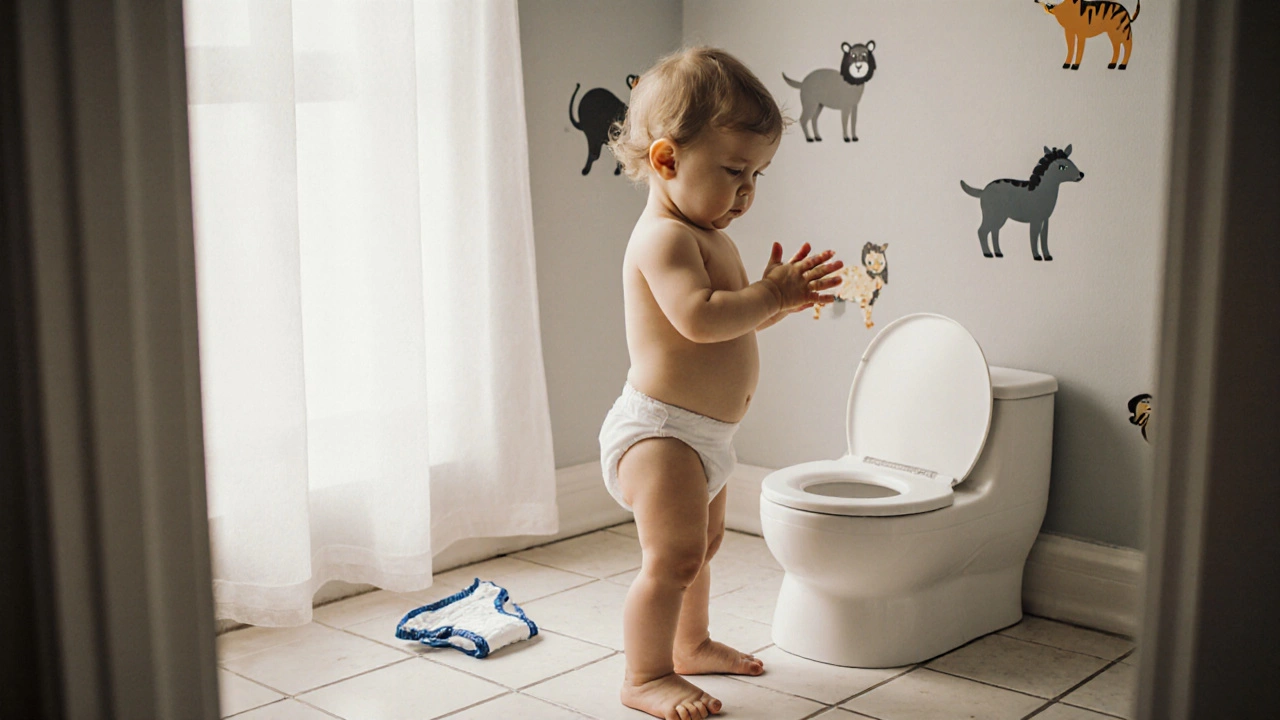
What Is the Easiest Age to Potty Train? Realistic Timing and Signs Your Toddler Is Ready
The easiest age to potty train isn't about hitting a specific birthday-it's about watching for your child's readiness signs. Most toddlers in the UK show they're ready between 22 and 30 months, but some take longer. This guide breaks down what real readiness looks like, what doesn't work, and how to stay calm through the process.
view more