Stroller Matchmaker
Answer these questions to find your ideal stroller category. This tool helps you avoid buyer's remorse by matching hardware to your actual routine.
Key Features to Look For:
Potential Pitfalls:
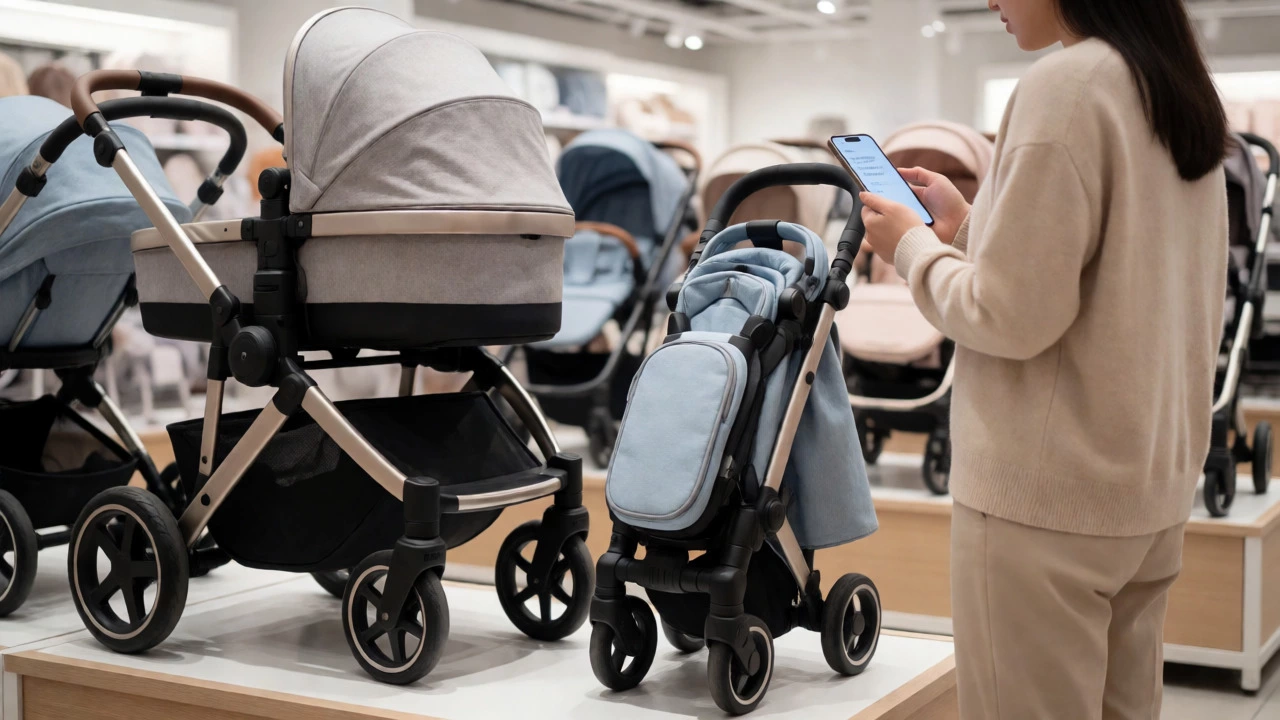
You’re standing in the aisle (or scrolling through endless tabs), staring at a wall of metal and fabric. There’s a £150 umbrella fold that looks like it’ll break if you breathe on it, and a £900 luxury ride that costs more than your monthly rent. Why is there such a massive gap? Because "best" isn’t a universal truth-it’s entirely dependent on your life.
Choosing a baby stroller is one of those purchases where buying the wrong thing doesn’t just waste money; it creates daily friction. If you live in a third-floor walk-up without an elevator, a heavy full-size pram is a nightmare. If you take public transport daily, a bulky frame is useless. This guide cuts through the marketing fluff to help you match the hardware to your actual routine, not the fantasy version of parenthood you see on Instagram.
Start With Your Lifestyle Audit
Before you look at a single brand name, answer these three questions honestly. Your answers dictate the category you need.
- Where do you walk? Are you navigating smooth pavement, cobblestones, grassy parks, or snowy sidewalks? Wheels matter more than brakes here.
- How do you store it? Do you have a spacious hallway, a tiny car boot, or a flat with no storage space? The folded dimensions are critical.
- Do you need a travel system? Will you be transferring a sleeping baby from car to stroller frequently? If yes, compatibility with specific car seats is non-negotiable.
If you said "cobblestones," "tiny boot," and "yes," you have very different needs than someone who said "park paths," "large garage," and "no." Let’s break down the main categories based on these realities.
The Four Main Stroller Categories
Most strollers fall into four buckets. Understanding the trade-offs in each saves you from buyer’s remorse.
| Type | Best For | Pros | Cons |
|---|---|---|---|
| Full-Size Stroller | Newborns, multiple children, rough terrain | Durable, large storage, often converts to double | Heavy, bulky fold, expensive |
| Travel System | Car-heavy families, newborn safety | Click-in car seat convenience, modular | Heavier than standalone strollers, limited stroller-only use |
| Lightweight/Compact Stroller | Toddlers, travel, city living | Easy to lift, small fold, affordable | Smaller wheels, less storage, not always newborn-ready |
| Jogging Stroller | Active parents, off-road trails | Suspension, large air-filled tires, stable | Wide frame (doorways!), heavy, awkward turn radius |
Full-Size Strollers: The Workhorse
This is what most people picture when they hear "pram." These are robust frames designed to last through two or three kids. They usually feature a bassinet mode for newborns and a seat mode for toddlers. The key advantage is stability. If you plan to walk on uneven ground-think gravel paths in Bristol’s parks or muddy country lanes-a full-size stroller with good suspension is worth the extra weight. Look for models with adjustable handlebars; if you’re tall or short, a fixed handlebar will wreck your posture within ten minutes.
Travel Systems: Convenience Over Everything
A travel system combines a stroller frame with an infant car seat that clicks directly onto it. The magic happens when your newborn falls asleep in the car. You don’t wake them up by unbuckling and moving them; you just click the whole seat into the stroller. It’s seamless. However, this convenience comes at a cost. Travel systems are heavier because the frame is built to support the car seat securely. Also, once your child outgrows the infant car seat (usually around 12-15 months), the stroller part might feel underpowered compared to a dedicated full-size model.
Lightweight Strollers: The City Slicker
These are the heroes of urban parenting. Weighing between 6kg and 8kg, they can be lifted into a taxi or stored in a cramped apartment closet. Modern compact strollers have improved dramatically. Many now offer a fully reclining seat, making them viable for babies as young as six months. Some even accept a car seat adapter. The downside? Storage baskets are often tiny, and the wheels are smaller, meaning you’ll feel every crack in the pavement. If you live in a city with smooth sidewalks and rely on public transport, this is likely your primary stroller.
Jogging Strollers: Not Just for Runners
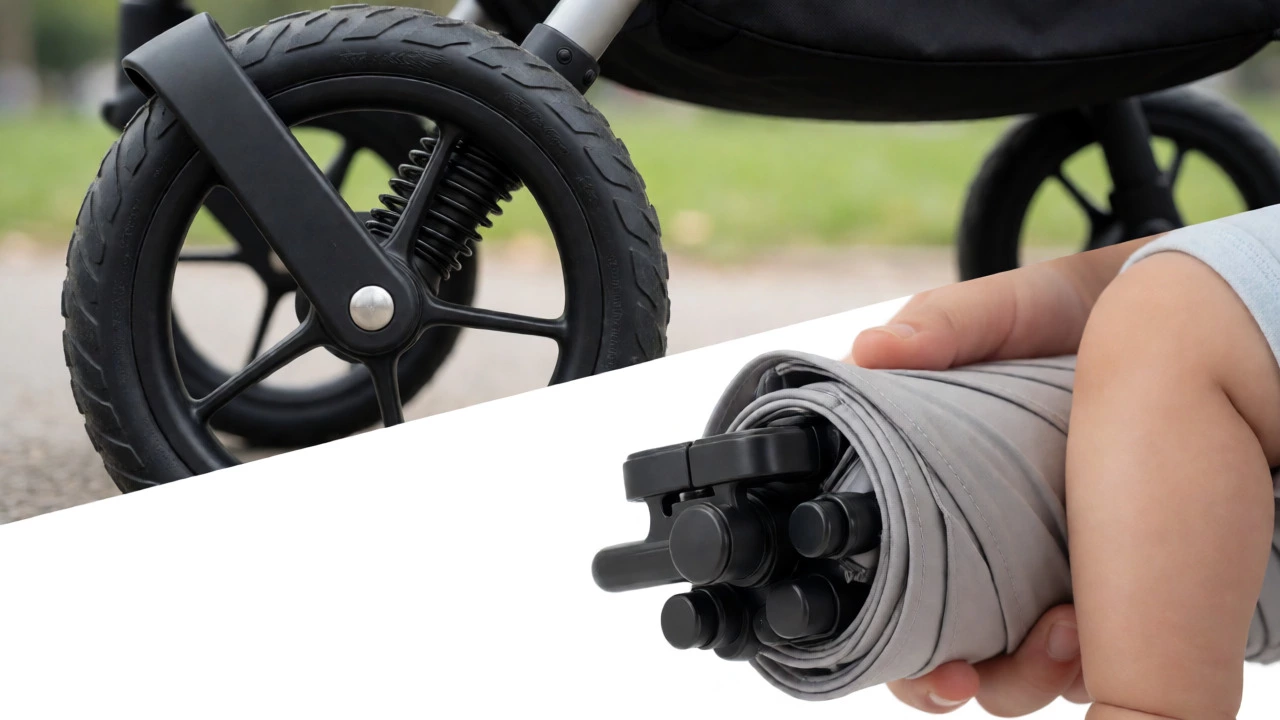
You don’t need to run marathons to benefit from a jogging stroller. Their defining feature is three large, air-filled tires (two rear, one front) and superior suspension. This makes them incredibly smooth on bumpy roads. But beware the width. Many jogging strollers are too wide to fit through standard shop aisles or narrow doorways. If your home has tight spaces, measure before you buy. Also, ensure the front wheel locks. While swiveling wheels are great for maneuverability, they can cause the stroller to veer off course when running.
Critical Features That Actually Matter
Marketing teams love to highlight gimmicks like cup holders with LED lights or Bluetooth connectivity. Ignore those. Focus on these mechanical aspects instead.
The Fold Mechanism
There are two main types of folds: one-hand and two-hand. A one-hand fold is essential if you regularly hold a baby while folding the stroller. Test this in-store. Can you collapse it smoothly while holding a toddler on your hip? If you need to put the baby down, fiddle with latches, and stand up, it’s annoying. Some premium brands offer a "self-standing" fold, where the stroller stays upright when closed. This is a game-changer for public transport-you can roll it onto the bus without worrying about it toppling over.
Wheel Type and Suspension
EVA foam tires are maintenance-free and puncture-proof, ideal for city streets. Air-filled tires provide better shock absorption but require occasional pumping and can go flat. If you choose air-filled, check if the pump is included or if you need to buy one separately. Suspension isn’t just about comfort for the baby; it protects the frame from stress fractures over time. Look for independent spring suspension on each wheel rather than a simple axle flex.
Recline Options
For newborns, a lie-flat position is mandatory for safe spinal development and breathing. Many lightweight strollers only recline partially. Check the angle. If it stops at 140 degrees, it’s not suitable for a newborn unless paired with a carrycot or car seat. Multi-position reclines are useful for older babies who want to nap mid-walk. Ensure the mechanism is easy to adjust with one hand while the baby is seated.
Common Pitfalls to Avoid
I’ve seen parents make the same mistakes repeatedly. Here’s how to dodge them.
Buying based on looks alone. A sleek black frame looks great in photos, but does it have a decent basket? Does the canopy actually block low winter sun? Style fades; utility remains.
Ignoring the brake. Test the foot brake. Is it easy to engage with the toe of your shoe? Or do you have to use your heel, risking scuffed shoes? Some brakes require significant force, which is dangerous if you’re rushing to catch a train.
Overlooking the height limit. Most strollers have a weight limit of 15kg-22kg. If you plan to use it until age 3 or 4, check the maximum height allowance. Tall toddlers can hit their heads on the canopy or hang their legs awkwardly if the seat isn’t deep enough.
Assuming "Universal" adapters work. Brands often claim their strollers are compatible with major car seat brands like Maxi-Cosi or Cybex. Always verify the specific model number. Adapters change yearly. What worked in 2024 might not fit the 2026 version.
Budgeting Realistically
Strollers range from £100 to £1,200+. Where should you spend?
- £100-£200: Basic umbrella strollers or entry-level compacts. Good as a secondary stroller for grandparents or travel, but rarely suitable as a primary newborn solution.
- £200-£400: The sweet spot for most families. You get reliable brands with decent warranties, good reclines, and reasonable folds. Think Bugaboo Butterfly or similar tiers.
- £400-£700: Premium full-size and travel systems. Better materials, smoother rides, longer lifespan. Worth it if you have multiple children planned or rough terrain.
- £700+: Luxury brands like Nuna or high-end Bugaboo variants. You’re paying for design, resale value, and niche features. Only necessary if budget truly isn’t a constraint.
Remember, you can often find excellent deals on previous year’s models. Stroller technology doesn’t revolutionize annually. A 2025 model bought in September 2026 is likely 95% identical to the current release but 20% cheaper.
Final Checklist Before You Buy
Take this list to the store or keep it open on your phone while shopping online.
- Measure your boot. Put the folded stroller in your car. Does the trunk still close? Can you fit groceries alongside it?
- Check doorway widths. Measure your front door, bathroom door, and any gates you’ll pass through. Standard UK doors are 76cm-80cm wide. Many jogging strollers exceed this.
- Test the one-hand fold. Do it five times. If it feels clunky, imagine doing it in the rain with a screaming toddler.
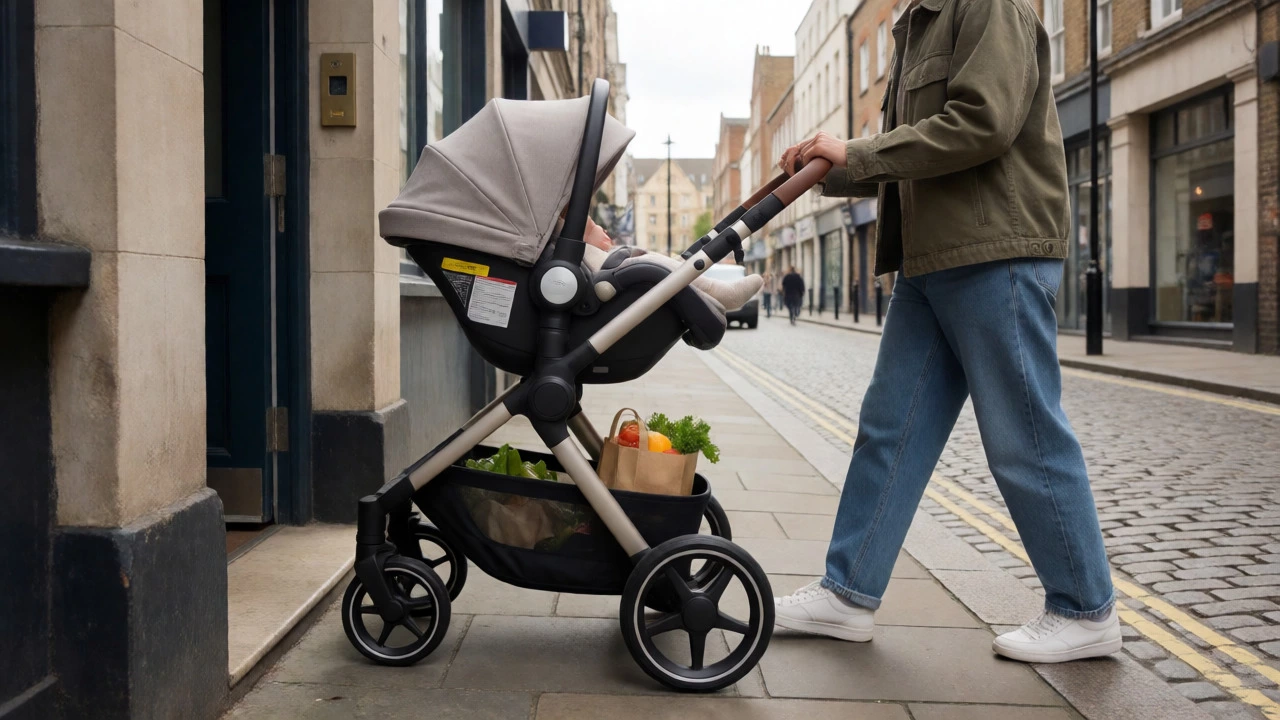
- Inspect the basket. Put a bag of potatoes in it. Does the stroller tip forward? Is the basket accessible with the seat fully reclined?
- Read the warranty. Frames should have at least a 2-year warranty. Fabric and wheels are wear-and-tear items.
Can I use a lightweight stroller for a newborn?
Only if it offers a fully flat recline or accepts a carrycot/car seat adapter. Most basic umbrella strollers do not support newborns safely due to insufficient head and neck support. Always check the manufacturer's minimum age recommendation.
Is a travel system worth the extra cost?
Yes, if you drive frequently. The ability to move a sleeping baby from car to stroller without waking them is invaluable during the first year. If you live in a city and rarely use a car, a standalone lightweight stroller might be more practical and lighter to carry.
How long does a stroller last?
Quality strollers can last 5-7 years, easily covering two children. Key factors are frame durability and wheel quality. Regular maintenance, like checking tire pressure and cleaning mechanisms, extends lifespan significantly.
What is the safest stroller feature?
A reliable, easy-to-engage parking brake is crucial. Additionally, look for strollers that meet EN 1888 standards, which cover stability, braking efficiency, and restraint integrity in Europe and the UK.
Should I buy new or second-hand?
Second-hand is eco-friendly and cost-effective, but inspect carefully. Check for rust on the frame, cracks in plastic joints, and worn-out brakes. Avoid used strollers with unknown history regarding recalls. New strollers come with warranties and fresh rubber components.