Switching from a crib to a toddler bed feels like a big milestone - but it’s not just about age. Some kids are ready at 18 months. Others still fit perfectly in their crib at 3.5 years. The trick isn’t in the calendar. It’s in the signals your child gives you - the ones you might miss if you’re focused on timelines or what other parents are doing.
They’re Climbing Out of the Crib
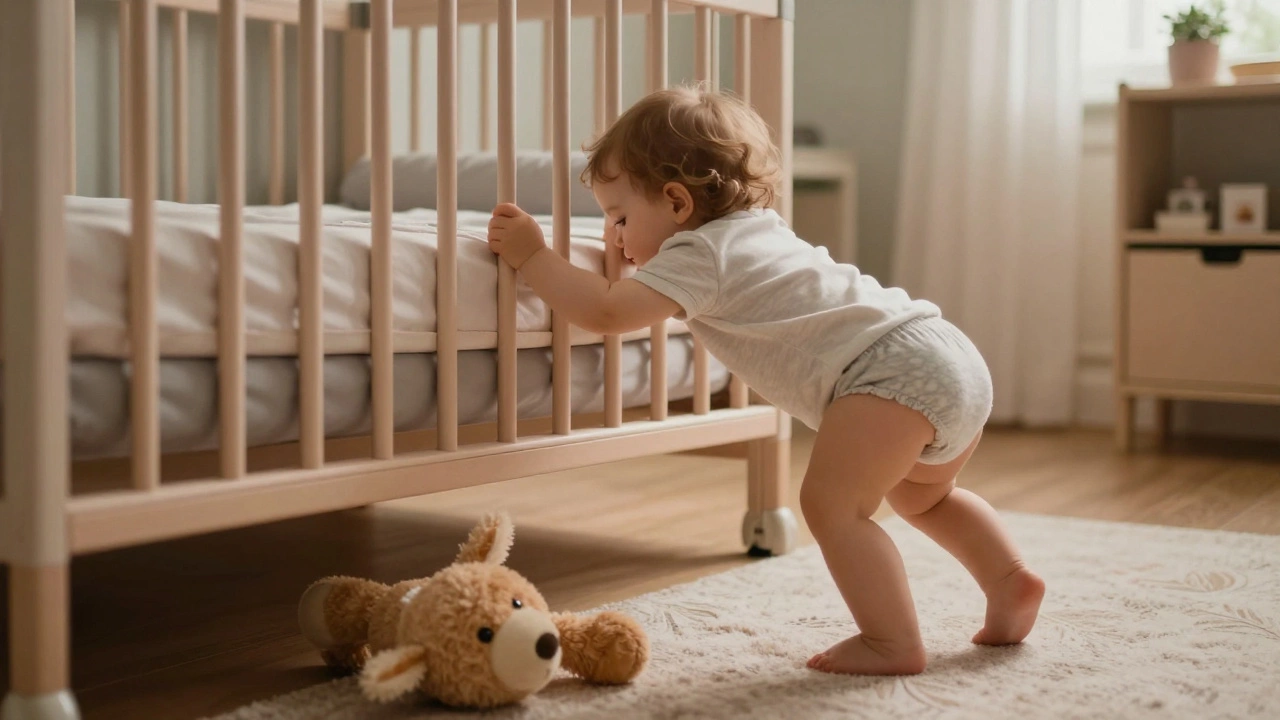
This is the most common sign. If your child is regularly scaling the crib rails, even when you’ve lowered the mattress to its lowest setting, it’s not just curiosity. It’s a safety issue. A fall from a crib can lead to head injuries, broken bones, or a terrified child who now fears sleep. One UK study from 2024 found that 68% of emergency room visits related to crib falls happened in children who had been climbing for at least two weeks before the incident. If your toddler is testing the limits of the crib, they’re telling you they need more space - and more freedom.
They’re Talking About the Bed
Don’t underestimate words. If your child starts saying things like, “I’m not a baby anymore,” or “I want my big kid bed,” they’re not just being stubborn. They’re expressing a developing sense of self. Toddlers begin to understand identity between 2 and 3 years old. Wanting a big bed isn’t just about comfort - it’s about belonging. One parent in Bristol told me her daughter asked for a bed every morning for three weeks before she finally broke down and bought one. The first night, she slept through without a single cry. It wasn’t the bed. It was the feeling of being trusted.
Your Child Is Staying in Bed at Night
Before you make the switch, check if they’re actually sleeping through the night. If your toddler still wakes up five times a night, screaming for you, or if they’re up at 5 a.m. every day no matter what, a new bed won’t fix that. The problem isn’t the crib - it’s sleep habits. A toddler bed makes it easier for them to get out and wander. If they’re already struggling with sleep regulation, moving them too early can make things worse. Wait until they’re consistently sleeping 10-12 hours a night, with only one or two brief wake-ups. That’s the real readiness test.
They’re Showing Interest in Their Own Space
Do they stare at the door when you leave the room? Do they ask to “do it myself” when you’re tucking them in? These aren’t just signs of independence - they’re signs they’re ready to own their sleep space. A toddler bed gives them control. They can get in and out without help. They can choose where to put their stuffed animal. That autonomy matters. One pediatric sleep specialist in Bristol told me families who waited until their child showed genuine interest in their own space had 40% fewer nighttime struggles after the switch.

The Crib Feels Too Small - or Too Big
It sounds silly, but size matters. If your child’s feet are hanging over the end of the crib, or if they’re curled up like a question mark just to fit, they’re physically outgrowing it. On the flip side, if they look lost in the crib - like they’re surrounded by too much empty space - they might feel insecure. Toddlers need boundaries, but they also need to feel contained. A toddler bed offers the right balance: low enough to climb in safely, but large enough to stretch out. Measure your child’s height and compare it to the crib’s internal length. If they’re over 35 inches tall and their knees are touching the end, it’s time.
They’re Ready for Routine Changes
Switching beds is a big shift. It’s not just furniture - it’s a new bedtime ritual. If your child is already adapting to other changes - like potty training, weaning off a pacifier, or starting nursery - they’re more likely to handle the transition smoothly. But if they’re in the middle of a regression phase, a move to a big bed can feel like too much. Wait until things are stable. One mum I spoke to moved her son to a toddler bed right after he started nursery. He woke up every night for two weeks, crying for his crib. She put it back temporarily. Three months later, when he was calmer, she tried again - and it stuck.
What About the “Right Age”?
You’ll hear a lot of advice: “Switch at 2.” “Wait until 3.” “Never before 18 months.” But research doesn’t support a single age. The American Academy of Pediatrics says the crib is safe until the child reaches 35 inches tall or shows signs of climbing. That’s it. No magic birthday. No checklist based on months. Your child’s body, behaviour, and emotional readiness are the only real indicators. A 2-year-old who sleeps like a log and never touches the rails? Stay in the crib. A 3-year-old who’s been climbing, talking about a big bed, and waking up anxious? It’s time.
What to Do When You’re Ready
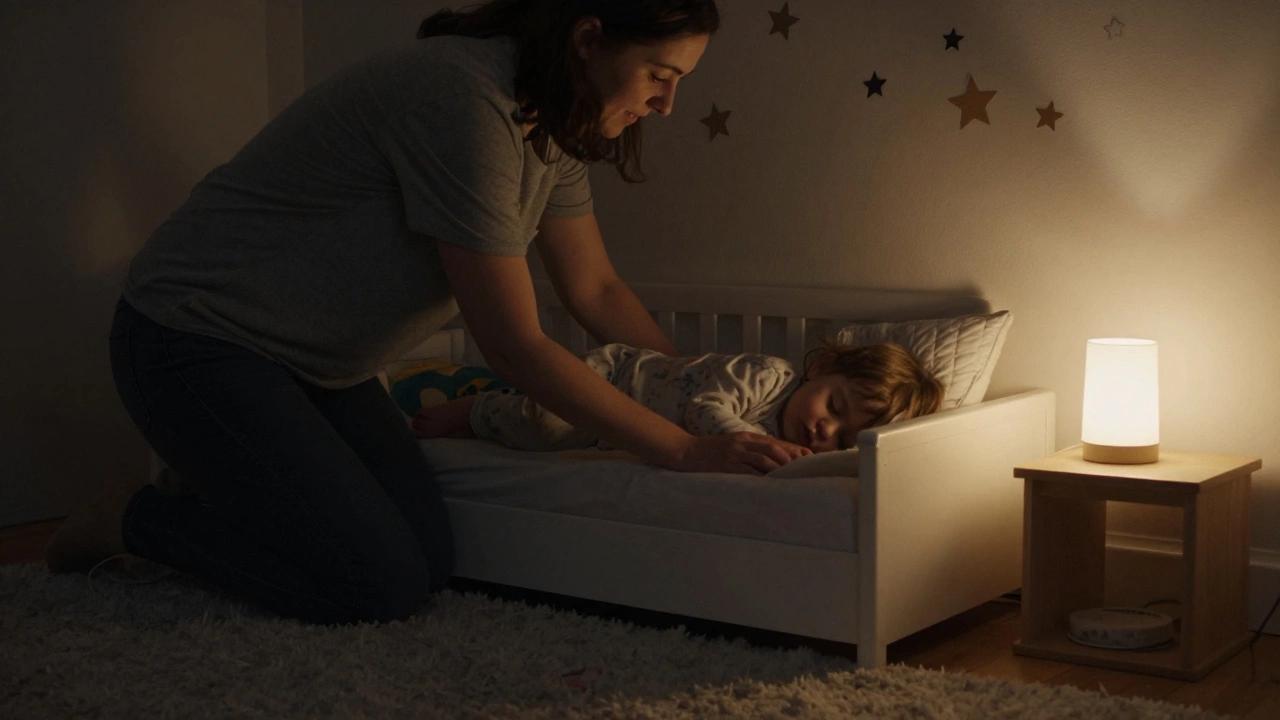
Once you’ve seen the signs, don’t rush. Prepare the room first. Put the toddler bed in before you take the crib out. Let them explore it during the day. Read books about big kids sleeping in beds. Talk about it like a fun adventure, not a chore. Keep the same bedtime routine - same story, same song, same dim light. The crib was their safe space. The bed should feel just as safe.
Use guardrails if needed, but don’t overdo it. A low bed with a soft rug beside it is often safer than a high bed with fancy rails. Remove any toys or objects that could become projectiles if they fall. Keep the room dark, quiet, and cool - just like it was in the crib.
Expect some nights of testing. They’ll get out. They’ll call for you. Stay calm. Walk them back. Don’t make it a battle. It usually takes 3-7 nights for the new routine to stick. If it’s been two weeks and they’re still getting up every hour, pause. Maybe they’re not ready. Go back to the crib for a few more weeks. There’s no shame in waiting.
What Doesn’t Work
Don’t use a toddler bed as a punishment. “If you don’t sleep, you’re going to the big bed!” - that backfires. Don’t move them because your older child is now in the crib. Don’t do it because you want to sell the crib or because your friend did it at 18 months. These aren’t reasons. They’re pressure points. The only right reason is your child’s readiness.
And don’t believe the myth that you have to switch before preschool. Most nurseries don’t care if your child is still in a crib. They’re used to it. The transition is for your child’s comfort - not for anyone else’s convenience.
When to Call It Off
Some kids aren’t ready. That’s okay. I’ve seen parents who moved their child too early and ended up with a child who refused to sleep in any bed for months. If your child is terrified of the new bed, keeps climbing out, or starts having nightmares after the switch, it’s not failure - it’s feedback. Go back to the crib. Give them time. Try again in 6-8 weeks. You’re not losing ground. You’re listening.
The goal isn’t to get them out of the crib as fast as possible. The goal is to help them feel safe, secure, and in control. That’s what makes the transition stick - not the bed itself, but the trust you’ve built along the way.