Air Travel Baby Gear Advisor
Find the best setup for your journey
-
Select your options and click the button to see the best carrier or method for your current flight stage.
Results will appear here
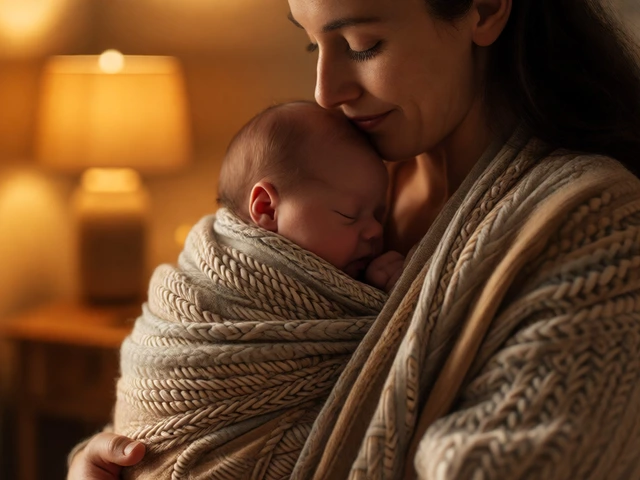
The short answer is yes, you can baby wear on a plane, but the experience varies wildly depending on which airline you choose and how you handle the safety protocols. Most parents find that keeping their baby close is the secret to a peaceful flight, but there are a few non-negotiable rules you need to know before you board.
Quick Essentials for Flying with a Baby Carrier
- Security Check: You generally don't have to remove the baby from the carrier, but you will have to walk through the metal detector separately.
- Safety Belt Rules: Most airlines require babies to be held in a seat or a certified car seat during takeoff and landing.
- Carrier Choice: Ergonomic carriers that distribute weight to the hips are a lifesaver for long hauls.
- Airflow: Planes get hot and stuffy; use breathable fabrics to avoid overheating your little one.
The Security Shuffle: What Happens at the Gate
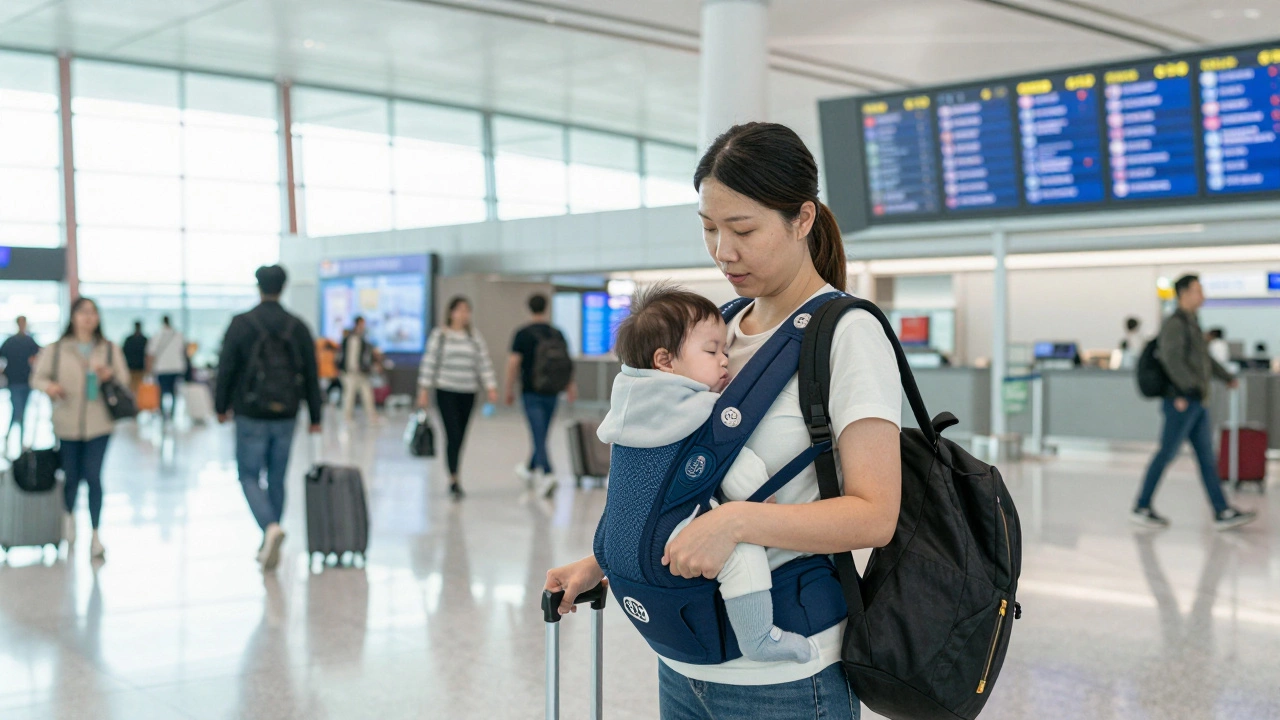
Walking through airport security with a baby is always a bit of a circus. The good news is that TSA is the Transportation Security Administration, the agency responsible for security at U.S. airports, and they have very clear guidelines on baby wearing. In most cases, you can keep your baby in the carrier while you go through the scanner. However, the baby will typically need to be patted down or screened separately if the carrier has a lot of thick padding that blocks the X-ray.
Pro tip: Keep your baby's legs and the bottom of the carrier clear of any bulky items. If you're using a Ring Sling, which is a single strip of fabric with rings used to support a baby on the hip, it's often easier for security to see through than a structured carrier. Just be prepared to step aside for a moment while the agent does a quick check. Don't let the stress of the line get to you-most security staff are used to this and will help you navigate the process quickly.
The Big Safety Question: Takeoff and Landing
This is where things get tricky. While baby wearing is great for moving through the terminal, baby wearing on planes during the actual flight is governed by strict safety regulations. The core issue is the seatbelt. In the event of severe turbulence or a hard landing, a baby in a carrier is essentially a projectile. Because you cannot fasten a plane's seatbelt around both yourself and a baby carrier, most airlines prohibit wearing the baby during takeoff, landing, and whenever the "fasten seatbelt" sign is lit.
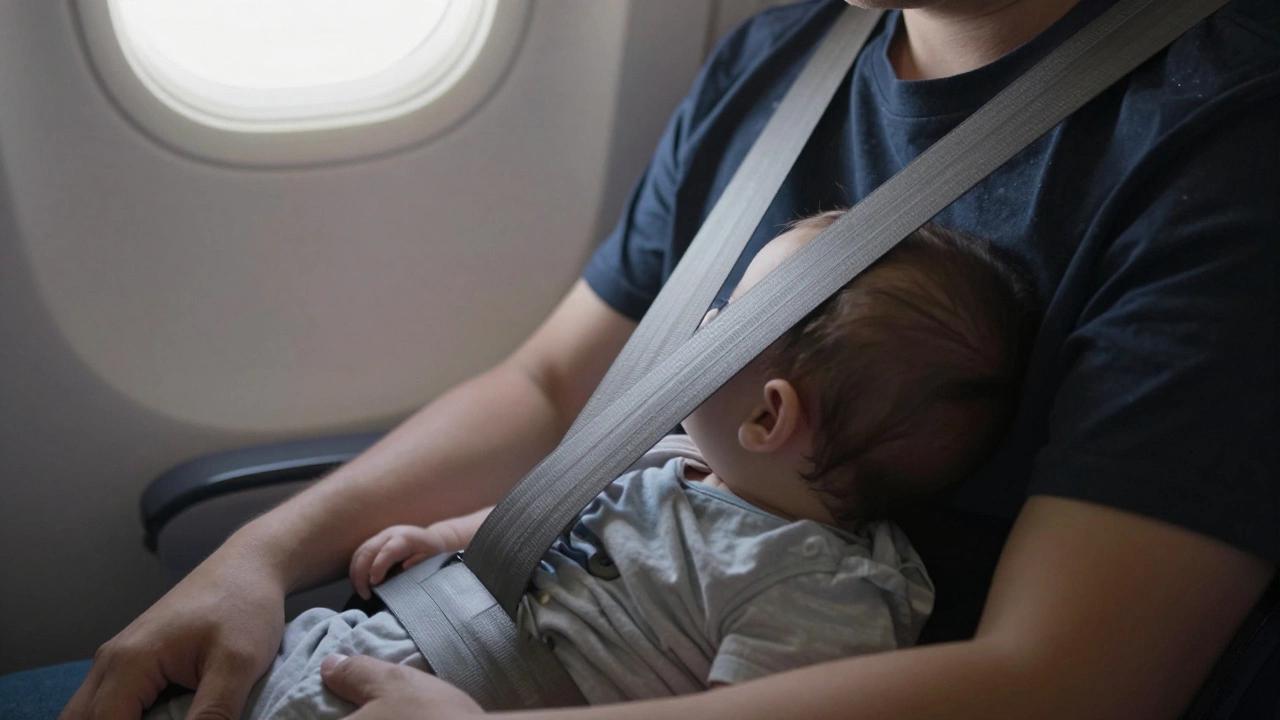
If you have a lap infant, the standard procedure is to hold the baby in your arms with the seatbelt tightened across your lap, or use a specialized infant loop if the airline provides one. If you're looking for the gold standard of safety, the best move is to purchase a separate seat and use a Convertible Car Seat, which is a type of child restraint system that can be used from infancy through the toddler years. A car seat is the only way to ensure your child is safely secured according to aviation safety standards.
| Method | Safety Level | Convenience | Airline Approval |
|---|---|---|---|
| Baby Carrier/Sling | Low (during turbulence) | High (for boarding) | Only during cruise |
| Lap Holding | Medium | Medium | Standard/Allowed |
| Approved Car Seat | Highest | Low (bulky) | Highly Recommended |
Choosing the Right Carrier for Your Flight
Not all carriers are created equal when it comes to air travel. You want something that doesn't make you sweat through your shirt the moment you step onto the jet bridge. A Soft Structured Carrier (SSC), which is a carrier with a defined seat and shoulder straps, often made of fabric and foam, is generally the best bet for the airport trek. They provide the most support for your back and keep the baby in a secure, ergonomic position.
If you're flying in the summer, look for carriers made from Mesh Fabric. Airplanes are notoriously unpredictable with temperature-one minute you're freezing in the AC, and the next you're roasting. Mesh allows air to circulate, preventing the dreaded "baby sweat" that leads to rashes and fussiness. Avoid heavy wool wraps unless you're flying to the Arctic; otherwise, you'll both be overheating before the plane even leaves the tarmac.
Navigating the Cabin: When You CAN Baby Wear
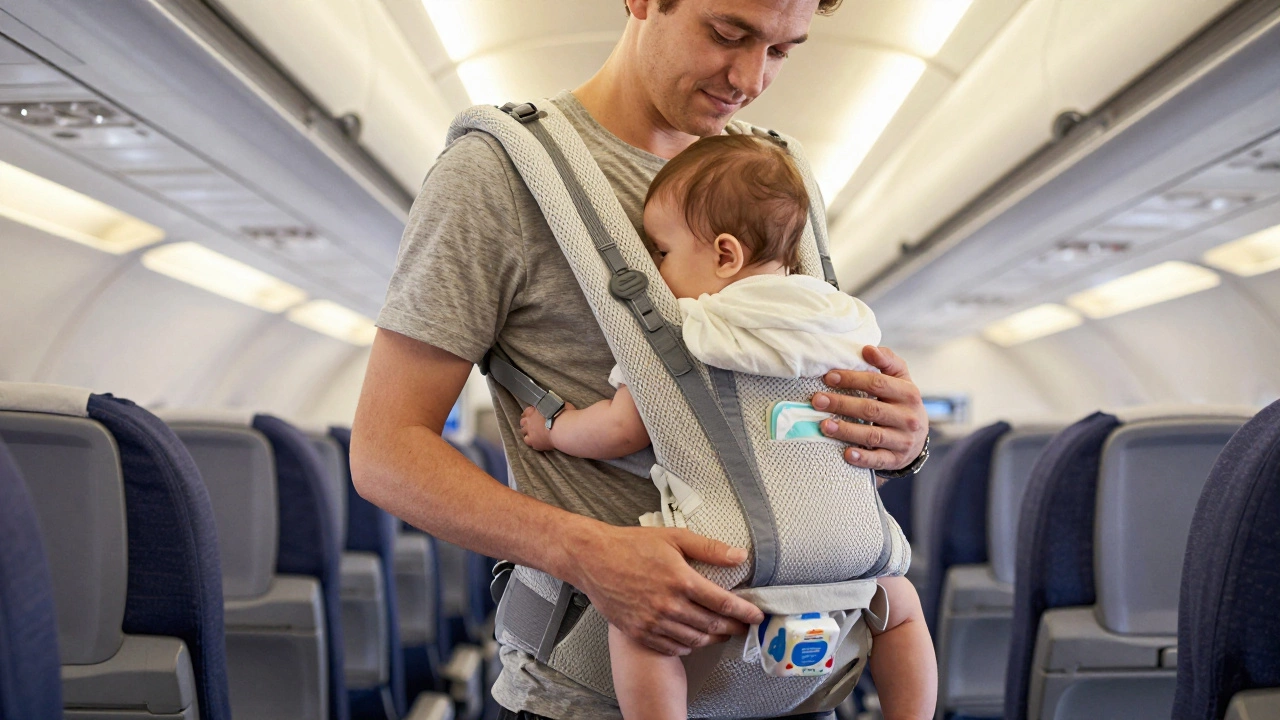
Once the plane reaches cruising altitude and the seatbelt sign turns off, the world is your oyster. This is the perfect time to put the baby back in the carrier. Why? Because it frees up your hands. Trying to balance a baby in your arms while reaching for a ginger ale or a bag of pretzels is a recipe for disaster. By wearing your baby, you can actually eat, drink, and navigate the narrow aisle to the bathroom without a struggle.
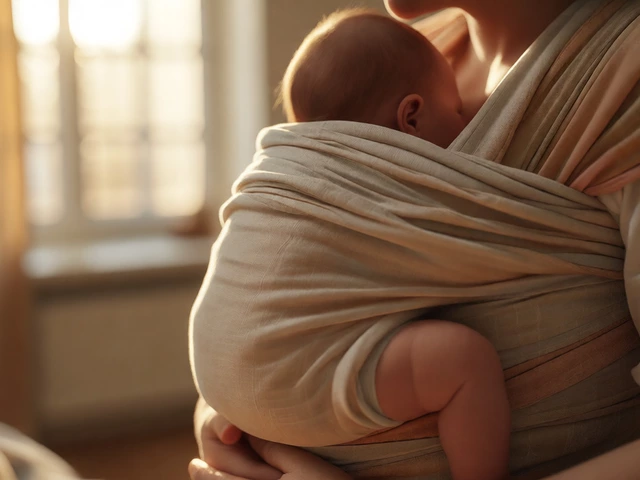
However, be mindful of the space. Airplane seats are tight. If you're wearing a bulky carrier, you might find it hard to lean back or move around. A Wrap, which is a long piece of stretchy or woven fabric tied around the body to hold a baby, is often more flexible in these cramped quarters. Just make sure the baby's chin is off their chest to keep their airway clear, especially if they fall asleep during the flight.
Dealing with In-Flight Fussiness
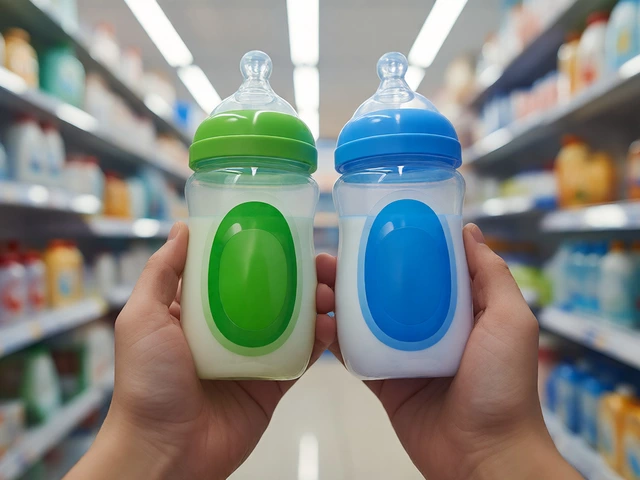
The pressure change during ascent and descent is the biggest trigger for baby crying. While baby wearing helps with soothing, it doesn't stop the ear pain. The trick is to ensure the baby is sucking on something-whether it's a bottle, a pacifier, or breastfeeding-during the climb and the final descent. This helps equalize the pressure in their ears.
If your baby starts to scream, the carrier is your best tool for "the bounce." A gentle rhythmic bounce while standing in the galley area (away from other passengers' faces) can often calm a baby faster than rocking them in a seat. Just remember to keep an eye on the flight attendants; if they ask you to sit down due to turbulence, the baby comes out of the carrier and back into your arms or a car seat immediately.
Practical Tips for a Stress-Free Journey
To make the most of your trip, keep a "quick-access' kit in your carrier's pockets or a small crossbody bag. This should include a few diapers, a travel pack of wipes, and a spare outfit for the baby (and you). There is nothing quite like a mid-flight blowout to make you realize you packed the diapers in the overhead bin.
Also, consider the weight of your gear. If you're using a structured carrier, it already adds a few pounds to your frame. Don't overload yourself. If you can, use a lightweight stroller that folds into a cabin bag, allowing you to transition from the carrier to the stroller the moment you land and hit the terminal.
Can I wear my baby through the airport security scanner?
Yes, in most airports, you can keep the baby in the carrier. However, you will usually need to walk through the metal detector or scanner, and the security officer may perform a manual pat-down of the baby or the carrier to ensure nothing is hidden in the fabric.
Is baby wearing allowed during takeoff and landing?
Generally, no. For safety reasons, airlines require babies to be held in the parent's arms (secured by the seatbelt) or in an approved car seat during takeoff, landing, and turbulence. Baby wearing is usually only permitted once the plane is at cruising altitude and the seatbelt sign is off.
Which baby carrier is best for flying?
Soft Structured Carriers (SSCs) are excellent for the airport due to their support. For the flight itself, breathable mesh carriers are best to prevent overheating, while wraps offer more flexibility in cramped airplane seats.
Do I need a separate ticket if I use a car seat on a plane?
Yes. If you want your baby to sit in their own FAA-approved car seat, you must purchase a seat for them. This is the safest way for a child to travel, as they are secured by the aircraft's restraint system.
How do I stop my baby from overheating in a carrier on the plane?
Use a carrier made from breathable mesh or lightweight cotton. Dress your baby in thin layers and remove a layer from the baby if the cabin gets warm, as the body heat from the parent adds to the baby's temperature.
Next Steps for Parents
If this is your first time flying with an infant, start by checking your specific airline's policy on "lap children" and approved car seats. Every airline is a bit different, and knowing the rules beforehand prevents a meltdown at the gate. If you're undecided on gear, try your carrier on for a few hours at home to see how your back holds up-remember, you'll be carrying that weight through long terminals and potentially hours of standing in lines. Finally, pack a small "comfort kit" for yourself-water, a snack, and some noise-canceling headphones for when the baby finally falls asleep.