
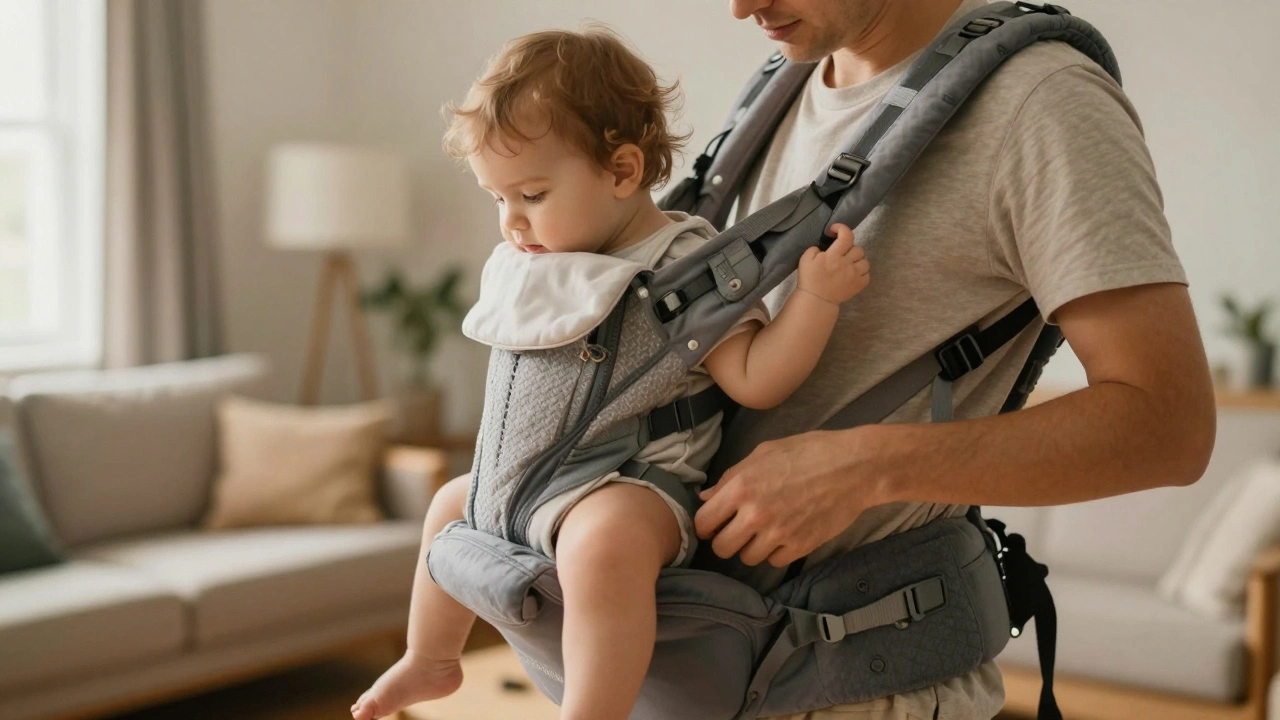
Baby Carrier Weight & Age Calculator
You’ve got your little one strapped in tight, facing you, and they’re looking around with wide eyes. It’s the perfect moment for bonding, right? But then you feel that familiar ache in your lower back, or maybe your child is squirming more than usual, kicking their legs out of the leg loops. You might be wondering if it’s time to hang up the soft structured baby carrier.
The short answer is that most parents stop using traditional soft-structured carriers when their child reaches about 35 pounds (16 kg) or between 24 and 36 months of age. However, "too big" isn’t just about hitting a number on the scale. It’s about comfort, safety, and whether the carrier still supports your child’s developing body correctly.
What is the maximum weight for a baby carrier?
Most standard soft-structured baby carriers have a maximum weight limit of 35 pounds (16 kg). Some heavy-duty models go up to 40 pounds (18 kg), while wrap-style carriers can often accommodate children up to 45 pounds (20 kg) depending on the fabric strength and fit.
Understanding Weight Limits vs. Actual Size
Manufacturers put weight limits on carriers for good reason. The straps, buckles, and fabric are tested to hold a specific amount of force without failing. If you exceed that limit, you risk the hardware breaking or the fabric stretching beyond its safe capacity. But here’s the thing: a 2-year-old who weighs 28 pounds looks very different from a 2-year-old who weighs 32 pounds.
Ergobaby, for instance, states their original carriers support up to 35 lbs. BabyBjörn Mini Air also tops out at 35 lbs. These numbers are hard caps. Once your child hits that weight, the stress on the shoulder straps increases significantly. This isn’t just about the carrier breaking; it’s about your spine taking on uneven loads that can lead to chronic pain.
If your child is under the weight limit but seems too long for the seat, you might be dealing with a "tall but light" scenario. In this case, check the hip positioning. If their knees are higher than their hips and their thighs are supported by the fabric, they are likely still within the safe ergonomic range, even if their feet dangle slightly.
The Ergonomic Red Flags: When Fit Matters More Than Weight
Weight is easy to measure. Fit is harder. A carrier that once provided perfect support can become uncomfortable as your child’s center of gravity shifts. Toddlers grow downwards first, then outwards. Their torso lengthens before they gain significant bulk. This change can cause them to slide down in the carrier, putting pressure on their groin rather than their thighs.
Look for these signs that the carrier no longer fits properly:
- The M-Shape is Gone: Your child’s legs should form an inverted "M" shape, with knees higher than the bottom. If their legs are straight down or only slightly bent, the carrier seat is too narrow or shallow for their current size.
- Sliding Down: If you constantly have to readjust the waist belt because your child is slipping toward the buckle, the carrier is no longer providing adequate thigh support.
- Head Support Issues: Older toddlers often don’t need head support, but if the carrier’s neck pillow is digging into their chin or causing them to tilt their head unnaturally, it’s time to remove it or switch carriers.
- Squirming and Refusal: While some fussiness is normal, persistent refusal to get in the carrier often signals physical discomfort. They may feel restricted or overheated.
Proper hip development is crucial during the first two years. The International Hip Dysplasia Institute recommends that carriers keep the baby’s hips spread and supported. If the carrier forces the legs together to fit, it compromises this safety feature, regardless of the child’s weight.
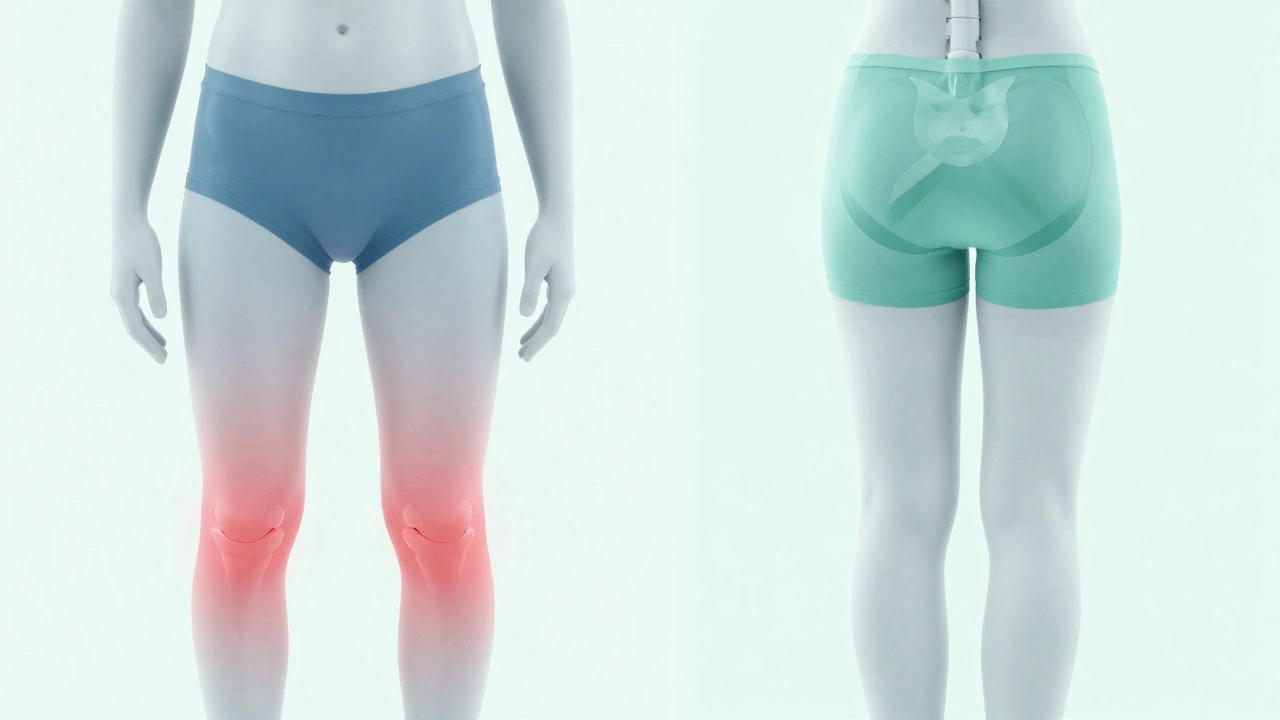
Comfort for the Carrier: Why Your Back Has a Say
We often focus so much on the baby’s comfort that we forget the person carrying them. You are the engine here. If you’re in pain, you won’t use the carrier, which defeats the purpose. Most parents find that carrying a child over 30 pounds (13.6 kg) in a soft-structured carrier becomes physically taxing after 20-30 minutes.
Shoulder pain, lower back strain, and neck tension are common complaints. This happens because soft-structured carriers distribute weight primarily across the shoulders and upper back. As the child gets heavier, the leverage against your spine increases. If you notice yourself hunching or feeling sharp pains in your lower back, it’s a signal that the carrier is no longer the right tool for the job, even if your child is technically under the weight limit.
Some carriers offer a "hip carry" option, which moves the weight lower on your body. This can extend the usable life of the carrier by a few months, but it requires core strength and balance. If you’re struggling to maintain posture in the hip carry, it’s definitely time to step away.
Alternatives for the "Too Big" Toddler
Just because you stop using a soft-structured carrier doesn’t mean you have to give up hands-free carrying entirely. There are other options designed specifically for older, heavier toddlers.
| Option | Max Weight | Best For | Pros | Cons |
|---|---|---|---|---|
| Soft-Structured Carrier | 35 lbs (16 kg) | Newborns to ~24 months | Easy to use, good distribution | Bulky, limited weight capacity |
| Woven Wrap | 45+ lbs (20+ kg) | Advanced users, heavy toddlers | Customizable fit, durable | Steep learning curve, hot |
| Rucking Backpack | 40-50 lbs (18-23 kg) | Active parents, hiking | Excellent weight transfer to hips | Child must sit independently, less cozy |
| Stroller/Wagon | Varies | Long walks, naps | No physical strain on parent | Bulky, not always accessible |
Woven wraps like those from Moby or Lillebaby can handle heavier weights because the tension is distributed evenly across your entire torso. However, they require skill to tie securely. If you’re willing to learn, a wrap can extend your carrying days well into toddlerhood.
For active families, a rucking backpack is a game-changer. Unlike traditional baby carriers, rucksacks place the weight directly over your hips and spine, mimicking how you’d carry a heavy hiking pack. Brands like Osprey or Deuter make models that allow toddlers to sit comfortably for hours. These are ideal for hikes, theme parks, or long city walks where you want to keep moving without stopping for breaks.

Safety Checks Before Every Use
As your child grows, their ability to move changes. A newborn sleeps peacefully; a toddler climbs, twists, and tries to escape. Always perform a quick safety check before each outing:
- Tightness Test: You should be able to fit only a flat hand between your chest and your child’s chin. If there’s more space, tighten the straps. This prevents slumping and keeps airways clear.
- Hip Check: Ensure the seat extends from knee to knee. The fabric should be taut enough to support their weight without sagging.
- Hardware Inspection: Check buckles and clips for cracks or wear. Replace any damaged parts immediately.
- Visibility: Make sure your child’s face is visible and their nose and mouth are uncovered by fabric.
Never leave a child unattended in a carrier, even for a second. Toddlers can surprise you with their agility. If you need to set something down, take them out of the carrier first.
Transitioning Away from the Carrier
Stopping the use of a baby carrier can feel like losing a piece of your daily routine. Many parents rely on carriers for grocery runs, travel, or calming a fussy child. Here’s how to make the transition smoother:
- Introduce a Stroller Early: Start using a lightweight stroller or jogger alongside the carrier. This helps your child get used to sitting in a seat without being held.
- Encourage Walking: Toddlers love to explore. Give them opportunities to walk short distances. Carry them only when they’re truly tired.
- Use a Ruck for Special Occasions: Save the rucking backpack for special outings like hikes or museum visits. This keeps the "carrying" experience positive and distinct from everyday errands.
- Listen to Your Child: Some kids resist carriers as they assert independence. Respect their wishes. Forcing them into a carrier can create negative associations.
Remember, every family is different. Some parents continue using wraps until their child is four years old. Others switch to strollers by 18 months. There’s no "right" timeline, only what works for your body and your child’s needs.
Can I use a baby carrier for a 3-year-old?
Yes, but only with specific types of carriers. Standard soft-structured carriers usually max out at 35 lbs, which many 3-year-olds exceed. However, woven wraps or rucking backpacks can safely carry children up to 45-50 lbs. Ensure the child can sit upright independently and that the carrier provides proper hip support.
Is it bad for my back to carry a toddler?
Carrying a toddler can strain your back if done incorrectly or for too long. Soft-structured carriers shift weight to the shoulders, which can cause pain. To minimize strain, use a carrier with a wide waist belt, engage your core, and switch to a rucking backpack or stroller for longer durations. Listen to your body and take breaks.
How do I know if my child has outgrown their carrier?
Signs include exceeding the manufacturer's weight limit, the child sliding down despite adjustments, loss of the ergonomic "M" position for hips, and persistent discomfort for either parent or child. If the carrier feels loose or unstable, it’s time to switch to a different type of carrier or stroller.
Are rucking backpacks safe for toddlers?
Yes, rucking backpacks are safe and often safer for heavy toddlers because they distribute weight evenly across the hips and spine. They require the child to sit upright independently, so they are best for children who have strong core muscles and good posture. Always secure the harness and chest strap properly.
Can I wash my baby carrier?
Most modern baby carriers are machine washable. Check the manufacturer's instructions. Generally, remove any detachable parts, close all zippers and velcro, and wash on a gentle cycle with cold water. Air dry completely before reuse. Do not tumble dry unless specified.