Stroller Safety & Readiness Calculator
Enter Details
Detailed Analysis:
Transition Tips:
Enter your child's details to check stroller readiness.
There is no single calendar date that magically turns your baby into a "non-stroller" user. You won’t get an email from the manufacturer saying, "Your child has aged out of this seat." Instead, the answer depends on three hard limits: weight, height, and behavior. Most parents find themselves asking this question when their toddler starts climbing out of the seat or when the stroller feels like it’s sinking under the combined weight of groceries and kid.
Understanding these limits isn't just about following rules; it's about keeping your child safe and ensuring you aren't damaging expensive gear. If you push past the manufacturer's limits, you risk mechanical failure, instability, and injury. Let’s break down exactly when to hang up the handlebars and what comes next.
The Hard Numbers: Weight and Height Limits
Every baby stroller is a wheeled device designed for transporting infants and toddlers, governed by strict safety standards regarding load capacity comes with specific engineering limits. These are not suggestions; they are structural boundaries. Exceeding them can cause the frame to buckle, the brakes to fail, or the wheels to detach.
| Stroller Type | Average Weight Limit | Typical Age Range | Key Constraint |
|---|---|---|---|
| Umbrella Stroller | 15-20 kg (33-44 lbs) | 6 months - 3 years | Lightweight frame, less stability |
| Standard Jogger | 20-25 kg (44-55 lbs) | 8 months - 4 years | Larger wheels, robust suspension |
| Travel System (Infant Car Seat + Base) | Varies by car seat | Birth - 12 months | Car seat expiration/limits |
| Double Stroller | 25-30 kg (55-66 lbs) total | Birth - 4 years | Distribution of weight |
Most standard strollers cap out at around 20 kilograms (44 pounds). Some heavy-duty joggers or all-terrain models go up to 25 kilograms (55 pounds). You need to check the label inside the seat or in the manual. It will often say "Max User Weight." This includes the child plus any significant attachments like a heavy diaper bag strapped to the handle. If your child weighs 18 kilograms and you strap a 5-kilogram bag to the back, you might be pushing the frame beyond its tested safety margin.
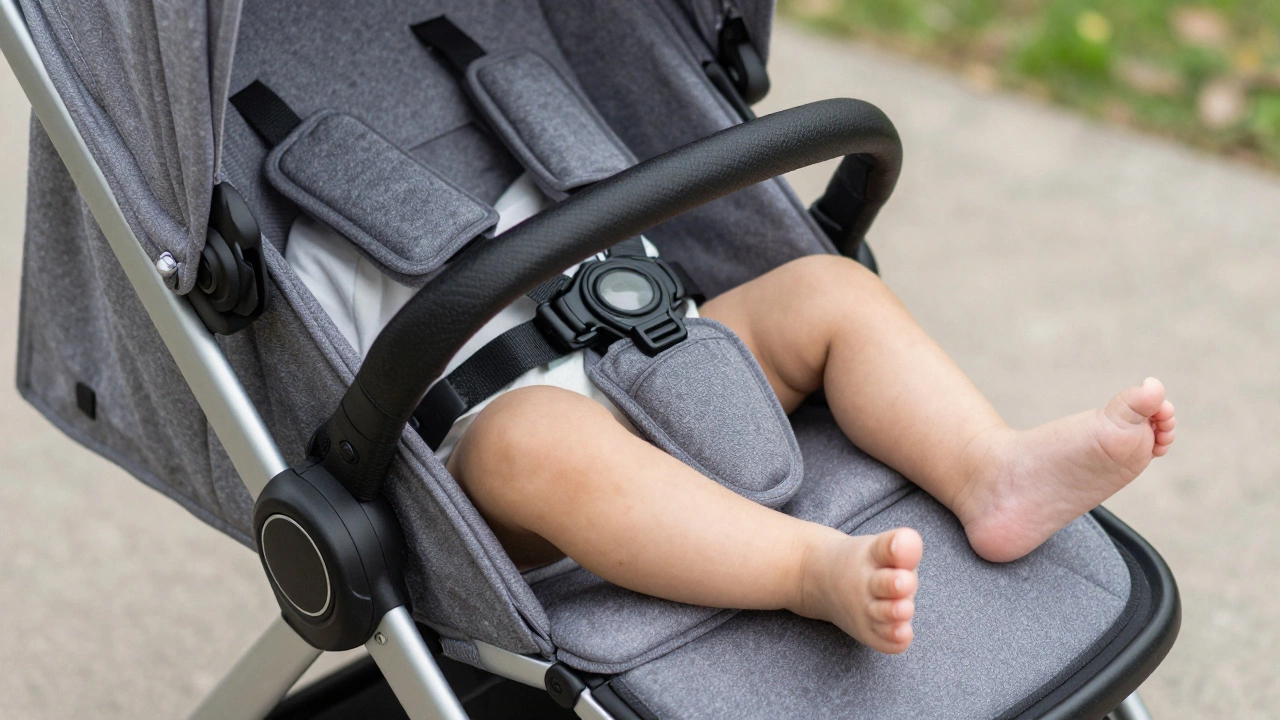
Height is the other silent killer. Even if your child fits within the weight limit, they might be too tall. Look at the footrests. If your child’s legs extend past the edge of the footrests, or if their head touches the top of the canopy frame, it’s time to stop. The harness needs to sit securely across the chest and hips. If the straps are stretched to their maximum length and still don’t hold the child snugly, the stroller is no longer safe.
Behavioral Cues: When Your Child Outgrows the Seat
Sometimes, the numbers say one thing, but your child says another. A two-year-old might weigh only 12 kilograms, well within the limit, but they have decided they are now a "big kid." Behavioral readiness is just as important as physical fit.
- Climbing Out: If your toddler is actively trying to climb out of the harness, the stroller becomes a hazard. They could fall forward or backward while you’re walking.
- Restlessness: Constant squirming, kicking, or complaining about being trapped suggests they need more freedom of movement.
- Walking Ability: Can they walk comfortably for 20-30 minutes without demanding to be carried? If yes, they might be ready to trade the stroller for a wagon or just walking alongside you.
I’ve seen many parents ignore these cues because "it’s easier to push them." But forcing a restless three-year-old into a stroller often leads to tantrums that make the outing harder than if you’d just let them walk. Listen to your child. If they are physically capable and mentally resistant, the stroller has served its purpose.
Safety Standards and Legal Requirements
In the UK and EU, strollers must meet the BS EN 1888 is the European standard for safety requirements and test methods for baby carriages and prams. In the US, the Consumer Product Safety Commission (CPSC) enforces similar federal standards. These regulations dictate how much weight a frame can bear, how secure the brakes must be, and how stable the unit should be on slopes.
Using a stroller beyond its rated capacity voids these safety certifications. If an accident occurs because the frame collapsed under excess weight, insurance claims may be denied. Always treat the manufacturer’s limits as legal and safety boundaries, not guidelines.
Transitions: What Comes After the Stroller?
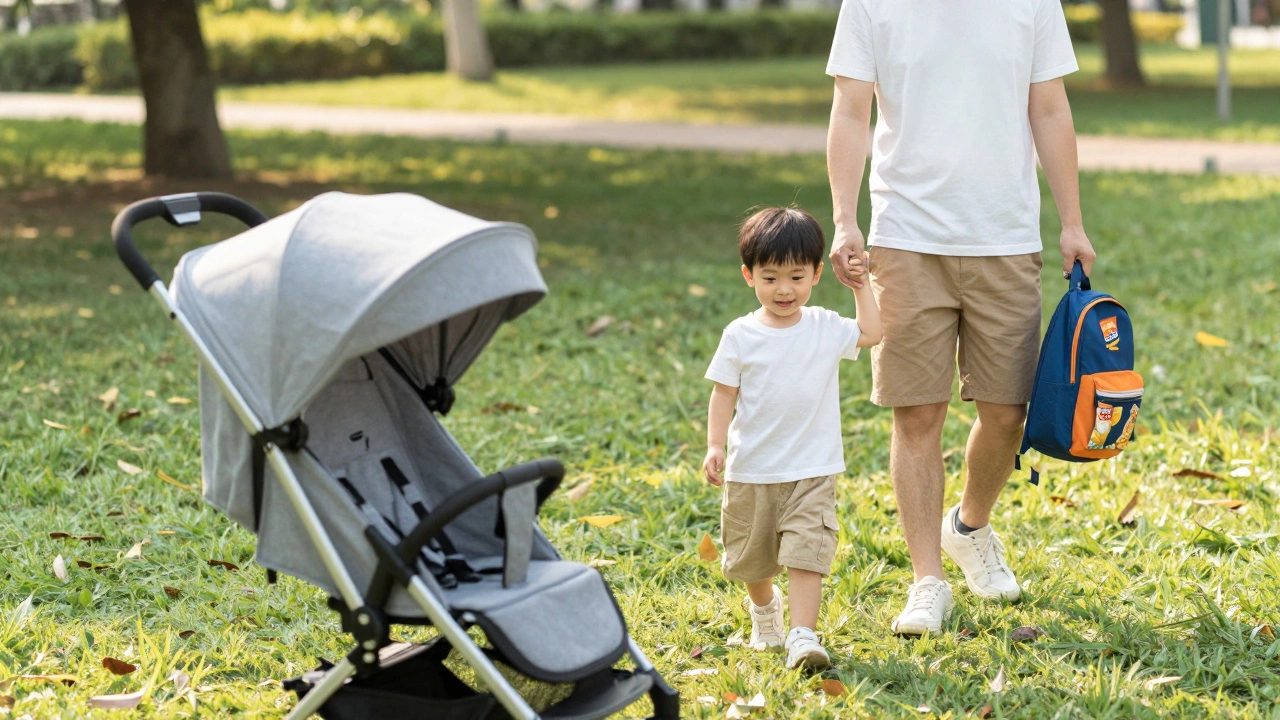
When your child hits the age or weight limit, you don’t necessarily stop moving them around. You just change the method. Here are the most common transitions:
- Wagons: For older toddlers (3-5 years), wagons are popular. They allow kids to sit up, look around, and even bring toys. However, ensure the wagon has a secure harness system.
- Tandem Walking: Encourage walking breaks. Carry snacks and water in a small backpack for your child so they feel independent.
- Booster Seats: If you’re going to restaurants or parks, a portable booster seat can help them reach tables without needing a full stroller.
Some families keep a lightweight umbrella stroller until age four or five for long days at theme parks or museums. This is acceptable if the child still fits safely and enjoys the ride. There’s no shame in using a stroller for a four-year-old if it makes the day manageable for everyone.
Maintaining Your Stroller for Longevity
To ensure your stroller lasts until your child actually outgrows it, maintenance is key. Check the wheels regularly for wear and tear. Tighten any loose screws. Clean the fabric to prevent mold and bacteria buildup, which can degrade materials over time. A well-maintained stroller will handle the upper weight limits better than a neglected one.
Is there a specific age limit for using a baby stroller?
No, there is no universal age limit. Most children use strollers between birth and age 3 or 4. The decision depends on the child's weight, height, and ability to walk comfortably, rather than their birthday.
What is the average weight limit for a standard stroller?
Most standard strollers have a weight limit of 15 to 20 kilograms (33 to 44 pounds). Heavy-duty joggers may support up to 25 kilograms (55 pounds). Always check the label inside the seat for the exact limit.
Can I use a stroller for a 4-year-old?
Yes, if the child fits within the weight and height limits and the harness secures them properly. Many parents use lightweight strollers for older toddlers during long outings or travel to prevent fatigue.
How do I know if my child is too big for the stroller?
Look for signs like legs extending past the footrests, head touching the canopy frame, or the harness being stretched to its maximum length. Also, watch for behavioral signs like climbing out or extreme restlessness.
Does the weight of a diaper bag count toward the stroller limit?
Technically, the limit applies to the child. However, adding heavy bags to the handlebar affects balance and stability. For safety, consider the total load when assessing if the stroller is still suitable.