Butterfly Stroller Suitability Checker
Customize Your Requirements
Imagine pushing a stroller where the seat faces you one minute and the world the next, without stopping to wrestle with buckles or detach parts. That is the promise of the butterfly stroller. This specific type of baby gear has taken the parenting world by storm, not because it looks like an insect, but because of how its components move. The term refers to a stroller with a reversible handle and often a reversible seat unit that flips easily from parent-facing to world-facing positions.
If you have been scrolling through baby registries or watching travel vlogs, you have likely seen this mechanism in action. It solves a classic dilemma: do you want to keep your newborn close for bonding, or do you want them to see the sights as they grow? With a butterfly-style stroller, you get both, instantly. But before you add one to your cart, you need to understand exactly what makes this design different from a standard convertible stroller and whether it fits your lifestyle.
The Anatomy of a Butterfly Stroller
To understand why these strollers are unique, we have to look at their mechanics. A traditional stroller usually requires you to unbuckle the child, lift the entire seat unit off the frame, rotate it 180 degrees, and click it back into place. Some older models even required removing the wheels. That process takes time, strength, and patience-three things parents rarely have in abundance when dealing with a fussy toddler.
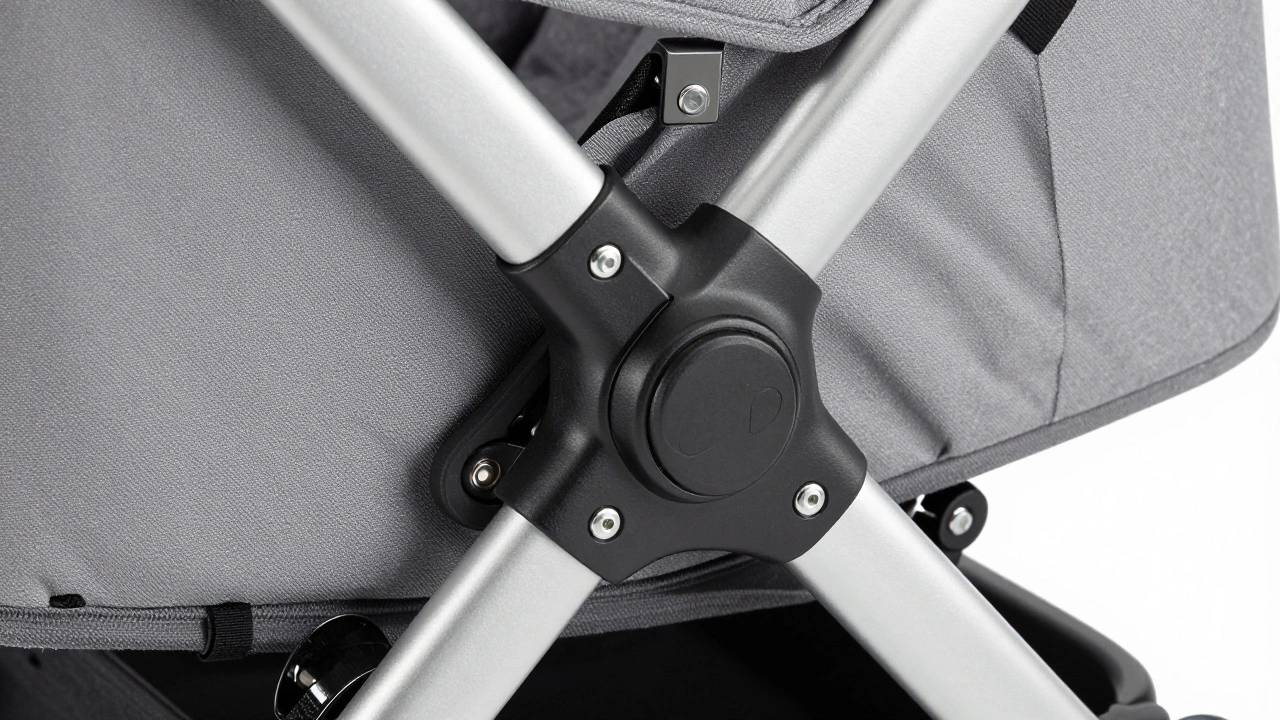
Butterfly stroller mechanisms, on the other hand, rely on a central pivot point or a sliding rail system. Think of it like the wings of a butterfly opening and closing. In most modern designs, there is a button or lever located near the handlebar. When you press it, the handlebar itself rotates, or the entire chassis tilts slightly to allow the seat to flip.
- Reversible Handlebars: The most common "butterfly" feature. The push handle detaches from one side of the frame and clicks onto the other, changing the direction of the seat without moving the child.
- Pivoting Seat Units: Some high-end models use a swivel base that allows the seat to spin 360 degrees while remaining locked securely to the chassis.
- Foldable Chassis: Many butterfly strollers also feature a "butterfly fold," where the frame collapses inward symmetrically, making them incredibly compact for car trunks.
This engineering shift means you can change directions in under ten seconds. You stay seated on a park bench, your child stays buckled in, and you simply adjust the handle. It keeps the routine uninterrupted and reduces stress for everyone involved.
Why Parents Are Switching to Reversible Designs
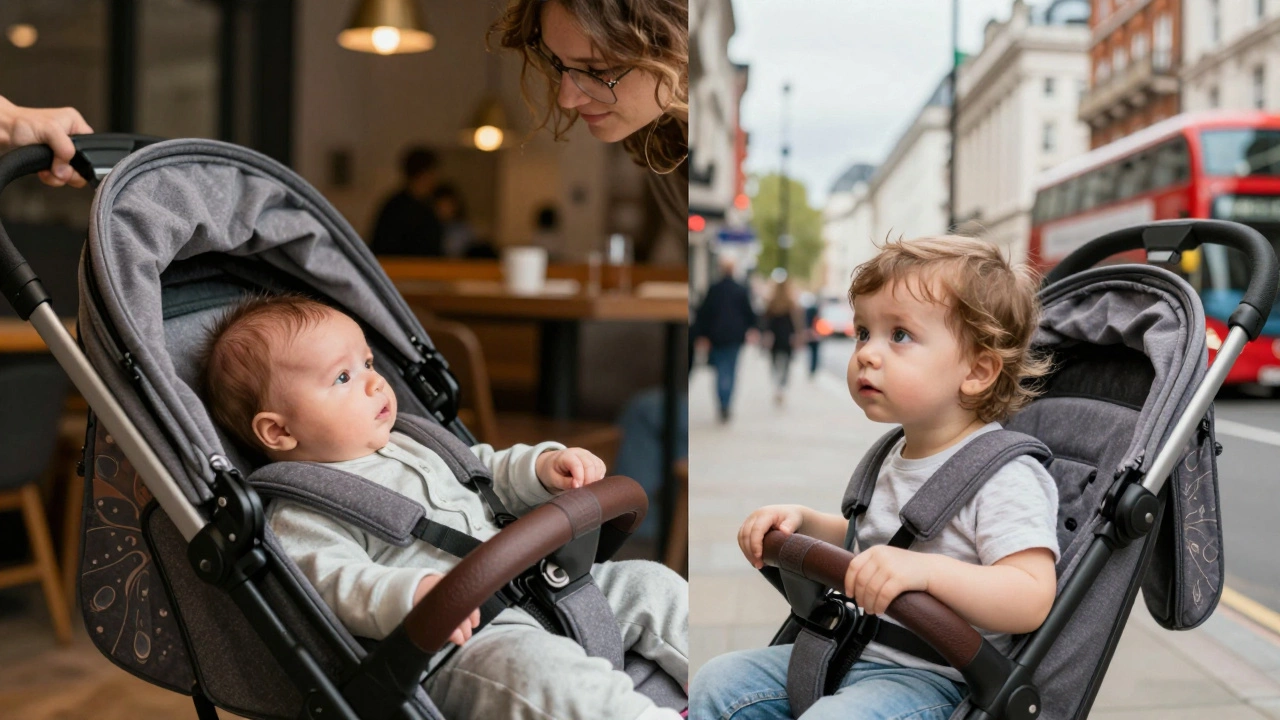
The shift toward butterfly-style strollers isn't just about convenience; it’s rooted in child development and parental comfort. Newborns thrive on connection. For the first three to six months, babies benefit immensely from face-to-face interaction with their caregivers. They read facial expressions, hear your voice clearly, and feel more secure when they can see you. A parent-facing position supports this early developmental stage perfectly.
However, as babies hit the six-month mark, their curiosity spikes. They start pointing at dogs, staring at clouds, and wanting to engage with the environment. Keeping them parent-facing too long can lead to boredom or frustration because they cannot see what is happening around them. Flipping the seat to world-facing mode satisfies this growing need for exploration.
Furthermore, consider the physical aspect for the parent. Pushing a heavy stroller against the wind or up a steep hill is exhausting. If your child is facing you, you are pushing against their weight distribution. By flipping them to face forward, you align the weight better for rolling momentum. While modern lightweight frames mitigate this, the ergonomic advantage remains significant during long walks.
Key Features to Look For
Not all reversible strollers are created equal. When shopping for a butterfly stroller, you need to evaluate several critical attributes to ensure it meets your daily needs. Here is what separates a good model from a great one.
| Feature | Basic Model | Premium Model |
|---|---|---|
| Weight | 15-18 lbs (7-8 kg) | Under 14 lbs (6.3 kg) |
| Reversal Mechanism | Manual handle swap (requires unclicking) | One-touch rotating handle or swivel seat |
| Wheel Type | Small plastic wheels (smooth surfaces only) | Air-filled or foam-filled rubber tires (all-terrain) |
| Sun Canopy | Fixed mesh panel | Extendable UPF 50+ canopy with peek-a-boo window |
| Fold Style | Two-step fold | One-hand automatic butterfly fold |
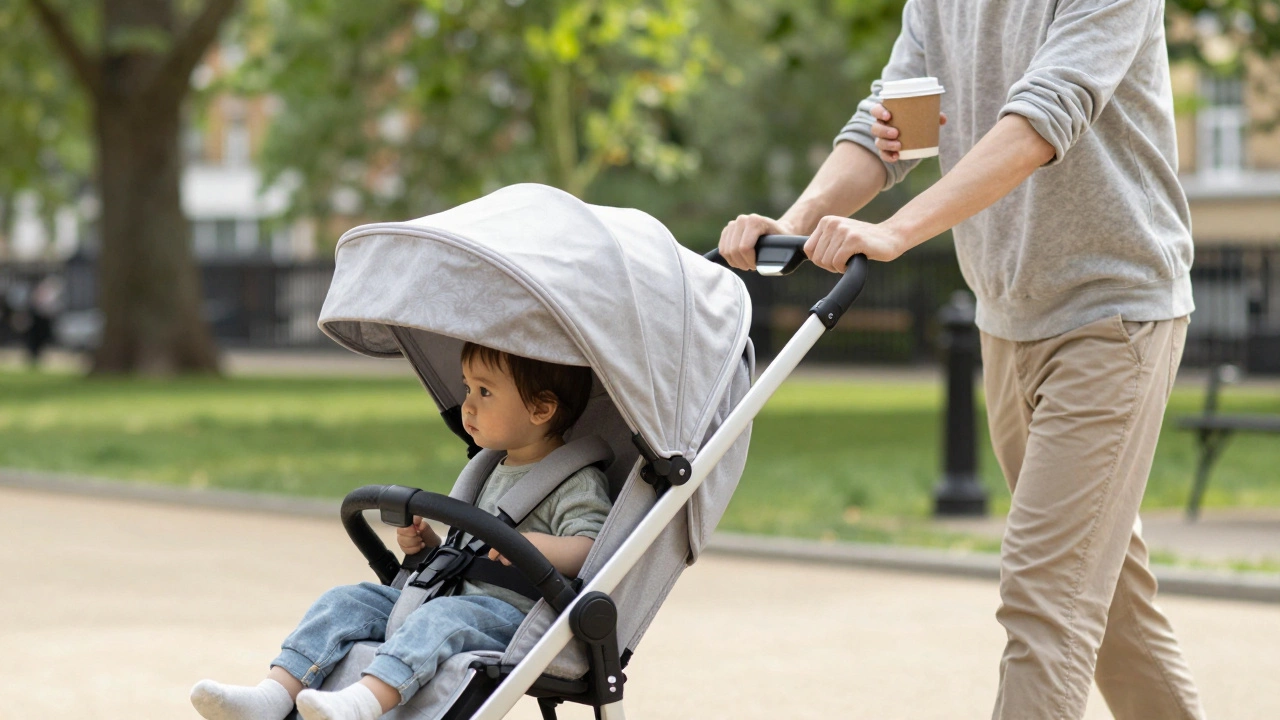
Pay close attention to the reversal mechanism. The true test of a butterfly stroller is whether you can operate it with one hand while holding a coffee cup or carrying a diaper bag. If the mechanism requires two hands to disengage and reattach, it loses much of its value. Look for terms like "one-click reversal" or "auto-reverse."
Another crucial factor is the wheelbase. Because the center of gravity shifts when you reverse the seat, stability becomes paramount. Ensure the front wheels are either swivel-lockable (for straight-line pushing) or large enough to handle uneven pavement. Small wheels might make the stroller light, but they will rattle over cracks in the sidewalk, waking up your sleeping baby.
Baby Gear Compatibility and Ecosystem
A stroller does not exist in a vacuum. It is part of a larger ecosystem of baby gear that includes car seats, carriers, and accessories. One of the biggest questions parents ask is: "Does this butterfly stroller work with my infant car seat?"
Many butterfly strollers are designed as travel systems. This means they come with adapters that allow you to click your infant car seat directly onto the stroller frame. However, there is a catch. When the car seat is attached, the stroller is almost always locked in a parent-facing position for safety reasons. You cannot typically reverse the handle while a rear-facing car seat is installed. This is a safety regulation, not a design flaw. Once your child outgrows the car seat (usually around 6-9 months), you remove the adapter, install the stroller seat, and unlock the full reversible functionality.
If you plan to use a carrier instead of a car seat, check the dimensions. Some butterfly strollers have narrow frames to maintain their lightweight status. Ensure your preferred carrier clips onto the frame securely or that the stroller has a dedicated attachment bar.
Pros and Cons: Is It Right for You?
No product is perfect. While the butterfly design offers undeniable convenience, it comes with trade-offs. Understanding these will help you decide if this style fits your specific parenting situation.
The Advantages:
- Speed: Changing directions takes seconds, not minutes.
- Versatility: Suitable for newborns (parent-facing) and toddlers (world-facing).
- Compactness: Most butterfly strollers fold small, fitting into overhead airplane bins or tight car trunks.
- Engagement: Keeps babies entertained by allowing them to see their surroundings.
The Disadvantages:
- Cost: The complex mechanical hinges and locking systems often drive up the price compared to basic fixed-seat strollers.
- Durability Concerns: More moving parts mean more potential points of failure. A broken latch can render the stroller unusable until repaired.
- Weight Limits: To keep the stroller light, manufacturers may use thinner materials. Check the maximum weight capacity; some butterfly strollers cap out at 40-50 lbs, which might be limiting for larger toddlers.
- Learning Curve: First-time users might accidentally trigger the reversal mechanism while adjusting the canopy or harness. Practice at home before heading out.
Maintenance and Longevity Tips
To get the most out of your investment, proper maintenance is key. The reversible hinge is the heart of the butterfly stroller. Over time, dust, sand, and debris can jam the mechanism. Every few months, wipe down the hinge area with a damp cloth and apply a tiny amount of silicone lubricant if recommended by the manufacturer. Never use oil-based lubricants, as they attract dirt.
Check the tension of the folding straps regularly. If the stroller feels loose when folded, tighten the adjustment dials. A secure fold prevents the stroller from unfolding unexpectedly in your trunk or elevator. Finally, inspect the brake system. Since the weight distribution changes when you reverse the seat, ensure the foot brake engages firmly on both rear wheels regardless of the seat direction.
Choosing the Best Model for Your Lifestyle
Your choice should depend heavily on where you live and how you move. If you are an urban dweller who relies on public transit, prioritize weight and fold size. A lightweight aluminum-frame butterfly stroller under 15 pounds will save your arms. Brands like Bugaboo and Cybex offer premium options with robust build quality, though they come with a higher price tag. For budget-conscious parents, brands like Babyzen and Cosat provide reliable alternatives with simpler mechanisms.
If you live in a suburban area with parks and gravel paths, look for all-terrain capabilities. Air-filled tires absorb shock better than solid rubber, providing a smoother ride for your child. In this case, a slightly heavier stroller is worth the trade-off for comfort. Always test the stroller in person if possible. Push it over different surfaces, try reversing the seat, and fold it multiple times. Feel the resistance of the handle. Does it click satisfyingly into place? Or does it feel wobbly? Trust your instincts.
Can I reverse the seat while my baby is sleeping?
Yes, most modern butterfly strollers are designed to allow you to reverse the handle or seat while the child is buckled in. However, you should do this slowly and carefully to avoid jolting them awake. Always ensure the harness is snug before attempting the maneuver. If the stroller uses a swivel seat rather than a reversible handle, check the manual, as some require the child to be unbuckled for rotation.
Are butterfly strollers safe for newborns?
Yes, provided you use a compatible infant car seat or a bassinet attachment. Newborns lack head control and should always face the parent so you can monitor their breathing and comfort. Most butterfly strollers lock the seat in a parent-facing position when a car seat is attached, ensuring safety. Do not use a reversible seat unit for a newborn unless it reclines fully flat (170-180 degrees) and has adequate head support.
How long does a butterfly stroller last?
With proper care, a high-quality butterfly stroller can last through multiple children. The mechanical hinges are the most vulnerable part. If you treat the stroller gently and keep it clean, it can easily serve you from infancy until your child is four or five years old. Budget models may show wear on the fabric and wheels sooner, but the core mechanism usually holds up well.
Is a butterfly stroller the same as a jogging stroller?
No, they are different categories. Jogging strollers typically have three large air-filled wheels and a fixed forward-facing seat for aerodynamics and safety during running. Butterfly strollers are generally designed for walking, errands, and travel. While some hybrid models exist, a standard butterfly stroller is not suitable for jogging due to its smaller wheels and lighter frame construction.
Do butterfly strollers fit in airplane overhead bins?
Many compact butterfly strollers are designed specifically for travel and meet airline carry-on dimensions. However, sizes vary by brand and model. Before flying, measure your stroller in its folded state and compare it to the specific airline's carry-on limits. Popular travel-friendly brands like Babyzen YOYO and Jetset are known for fitting in most overhead bins, but always verify with your airline.