
Comfort Object Impact Calculator
How Your Comfort Object Affects You
Answer these questions to understand the psychological value of your comfort object.
Your Comfort Object Impact Analysis
Remember: Comfort objects are not signs of immaturity. They're tools that help many adults feel safe and grounded in an unpredictable world. Your relationship with your comfort object is valid.
It’s not weird. It’s not childish. And it’s definitely not something to feel guilty about. If you still sleep with a baby blanket, you’re not alone. Millions of adults around the world tuck one into bed every night-soft, worn thin at the edges, maybe a little faded, but still holding the scent of safety. You might have tried to let it go. You might have even packed it away during a move or a breakup. But somehow, it always finds its way back to your bed.
It’s Not About the Blanket
The blanket itself isn’t magic. It doesn’t have special powers. What it carries is memory. The feel of it against your skin reminds your nervous system of a time when the world felt smaller, quieter, and safer. That’s why, even as an adult with a full-time job, bills to pay, and responsibilities piling up, you reach for it when you’re tired, anxious, or just need to feel grounded.
Psychologists call these objects ‘transitional objects.’ The term was first used by pediatrician and psychoanalyst Donald Winnicott in the 1950s. He noticed that babies often formed deep emotional bonds with items like blankets or stuffed animals-not because they were replacements for their parents, but because they helped bridge the gap between dependence and independence. That same mechanism doesn’t just disappear when you turn 18. It evolves.
Why Do Adults Keep Them?
Adults who sleep with baby blankets aren’t clinging to childhood. They’re clinging to calm. In a world that never stops demanding more-more productivity, more connection, more performance-sleep becomes one of the last places where you can truly be still. The blanket becomes a sensory anchor. The texture, the weight, the familiarity-it tells your brain, ‘You’re safe here.’
A 2020 study from the University of Hertfordshire found that 34% of adults in the UK still use a childhood comfort object regularly. The most common? Blankets. Followed by stuffed animals. And the people who used them? They reported lower levels of stress and higher self-reported sleep quality. Not because the blanket fixed their insomnia. But because it gave them permission to relax.
Think about it: you don’t need to explain why you like your favorite coffee mug or why you wear the same hoodie on weekends. Why should a blanket be any different? It’s part of your personal ritual. A quiet, private way to say, ‘I’m allowed to be soft right now.’
It’s Not a Sign of Immaturity
Society loves to label things as ‘childish’ when they don’t fit the mold of adult perfection. But emotional resilience isn’t about suppressing comfort-it’s about knowing what helps you heal. People who hold onto childhood comfort objects aren’t stuck in the past. They’re simply better at recognizing what their body and mind need.
There’s a difference between dependency and attachment. A dependency means you can’t function without it. An attachment means it helps you function better. If your blanket helps you fall asleep faster, reduces nighttime anxiety, or gives you a moment of peace before you face another hectic day, then it’s not a crutch. It’s a tool.
Some people meditate. Others journal. Some run. You hug your blanket. All of these are coping strategies. None are better or worse than the others. They’re just different paths to the same place: feeling safe enough to rest.
When It Might Be a Signal
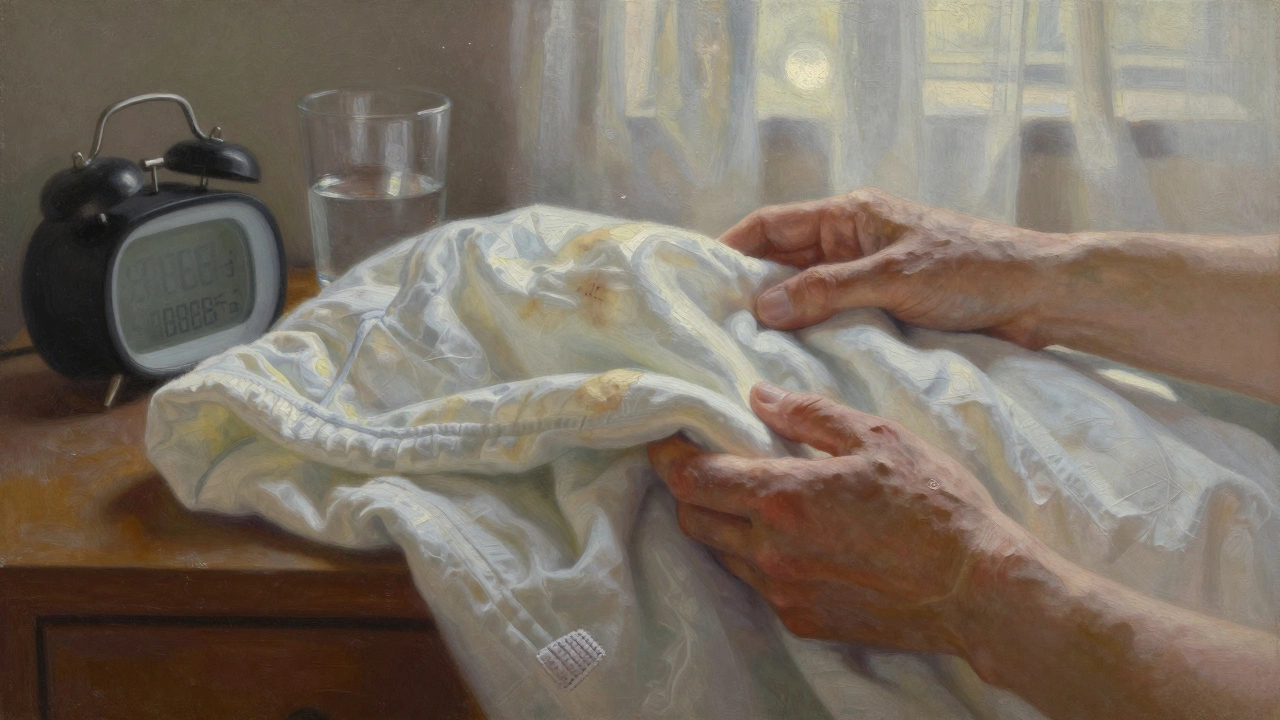
Most of the time, sleeping with a baby blanket is harmless. But if you notice other changes-like avoiding social situations, feeling unable to sleep without it even when traveling, or experiencing intense distress if it’s lost or washed-then it might be worth exploring what’s underneath.
It’s not the blanket causing the problem. It’s what the blanket is holding in place. Maybe you’re carrying unresolved grief. Maybe you’re overwhelmed by loneliness. Maybe your life feels unstable, and the blanket is the only thing that still feels the same.
That doesn’t mean you need to throw it away. It means you might need more support. Talking to a therapist doesn’t mean you’re broken. It means you’re paying attention. And that’s a sign of strength, not weakness.
How to Care for Your Comfort Object
If your blanket means a lot to you, treat it like something precious. Wash it gently. Keep it away from pets that might snag the fabric. Store it in a clean, dry place when you’re not using it. Don’t let it get lost in a laundry pile. These small acts show your brain that you value the safety it gives you.
Some people even make copies. If your blanket is falling apart, you can take it to a tailor or seamstress and have a new one made from the same fabric. It’s not cheating. It’s honoring the feeling, not just the object.
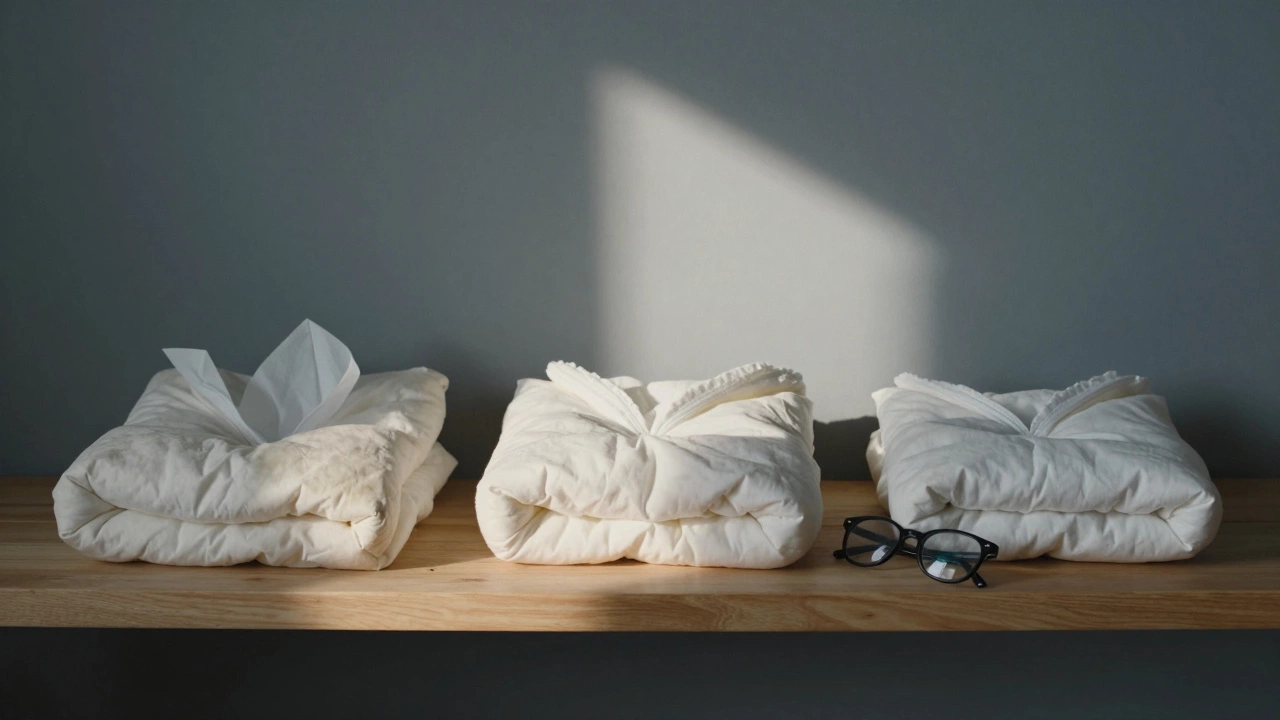
One woman in Bristol told me she had her baby blanket copied three times over 20 years. The original is now in a box in her attic, wrapped in tissue paper like a relic. The one she sleeps with? It’s the third version. Same shape. Same smell. Same comfort.
What to Say When Someone Judges You
People will say things. ‘You’re still using that?’ ‘That’s so weird.’ ‘You’re 32, not 3.’
You don’t owe anyone an explanation. But if you want to give one, keep it simple:
- ‘It helps me sleep.’
- ‘It’s part of my routine.’
- ‘It’s not hurting anyone.’
There’s no need to defend it. There’s no need to apologize for it. Comfort isn’t a luxury. It’s a necessity.
It’s Okay to Outgrow Things-But Not Always
Children outgrow toys. They outgrow clothes. They outgrow bedtime stories. But not everything needs to be outgrown. Some things, like the feeling of safety, aren’t meant to be left behind. They’re meant to be carried.
That blanket? It’s not a symbol of being stuck. It’s a symbol of being human. You’ve lived through things. You’ve changed. You’ve grown. And yet, you still know what helps you feel whole.
That’s not regression. That’s wisdom.