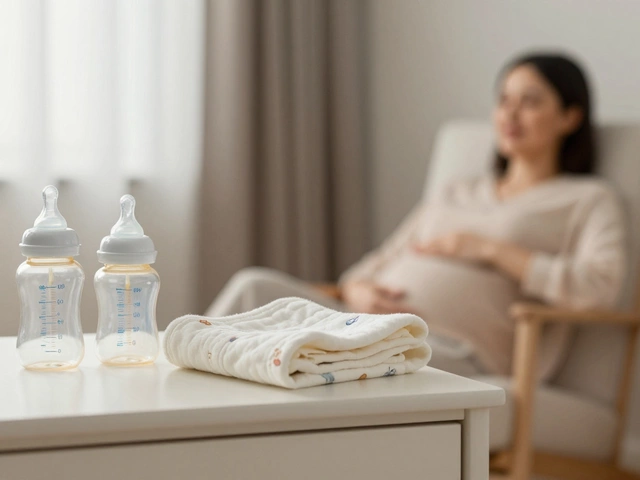
Lovey Blanket: Your Child’s Secret Comfort Weapon
When your toddler clings to that worn-out piece of fabric with a corner of a stuffed animal stitched on, they’re not being silly—they’re holding onto something vital: a lovey blanket, a small, soft object that gives babies and toddlers emotional security and comfort during transitions like bedtime, car rides, or new environments. Also known as a security blanket, it’s a real, documented part of early childhood development—not just a cute habit. This isn’t just about cuddling. Studies show that kids who form attachments to lovey blankets handle stress better, fall asleep faster, and feel more confident exploring new spaces because they have a familiar anchor.
Most lovey blankets are simple: a small square of fleece or cotton, sometimes with a thumb-sized stuffed animal or a tag stitched on. But not all are safe. The security blanket, a child’s personal comfort object used to reduce anxiety and promote sleep should be small enough to avoid suffocation risks—no bigger than a tea towel—and free of loose buttons, long strings, or hard parts. The toddler comfort item, a personalized object that helps young children manage separation and sleep transitions needs to be washable, breathable, and made without toxic dyes. Parents in the UK often choose organic cotton or hypoallergenic materials because their little ones’ skin is sensitive and their immune systems are still learning.
Why do kids pick one? It’s not random. Around 6 to 12 months, babies start recognizing familiar textures and smells. A lovey blanket that smells like home—maybe even a little like Mom or Dad—becomes a portable piece of safety. That’s why replacing it can feel impossible. You can’t just buy a new one and expect it to work. The magic is in the wear, the smell, the frayed edges. That’s why most parents keep the original, even if it’s stained and thinning.
Some kids bond with a lovey blanket early. Others never do. That’s okay. There’s no right age to start or stop. But if your child is using one, you’re not enabling dependency—you’re supporting healthy emotional growth. Pediatricians and child psychologists agree: these objects help kids learn self-soothing, a skill that lasts into adulthood.
What you’ll find in the posts below are real, practical guides from UK parents and experts. You’ll learn which lovey blankets pass safety tests, how to introduce one without creating a sleep crisis, what to do when it gets lost, and why some kids switch from a blanket to a stuffed animal—or stick with the same one for years. You’ll also see what not to buy, what brands UK families trust, and how to make your own safe version without spending a fortune.

What to Use Instead of a Baby Blanket: Safe Sleep Alternatives
Discover safe, pediatrician-approved alternatives to baby blankets for better sleep and reduced SIDS risk. Learn about swaddle sacks, sleep sacks, loveys, and what to avoid.
view more