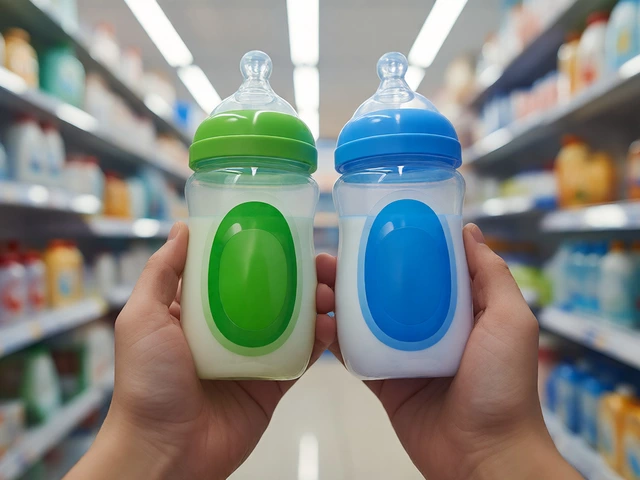

When breastfeeding isn't possible, infant formula is a safe and regulated alternative designed to meet your baby's nutritional needs. Many parents face this situation due to medical issues, low milk supply, or personal choice. The key is understanding your options and using them safely. In the UK, all infant formulas must meet strict safety standards set by the Food Standards Agency, ensuring they provide the right balance of vitamins and minerals for growth.
Understanding Why Formula Is Used
While breast milk is the best nutrition for babies, circumstances sometimes make it necessary to use formula. This could be due to medical conditions like galactosemia, where a baby can't process breast milk sugars. Or it might be because a mother has HIV, where breastfeeding isn't recommended. Some parents choose formula for convenience, especially if returning to work. Whatever the reason, it's important to know that formula is a safe, scientifically backed option. The NHS emphasizes that formula feeding is a valid choice and provides guidance on how to do it correctly.
Types of Infant Formula Available
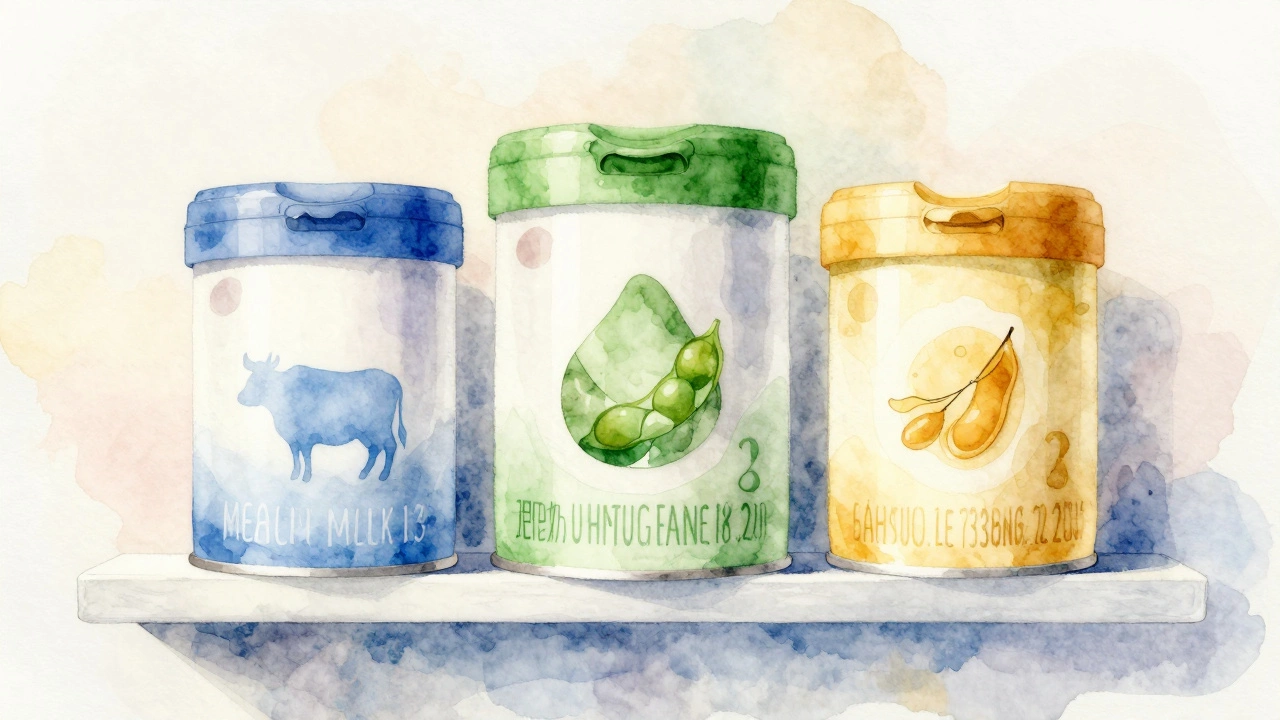
Not all formulas are the same. The UK market offers several types tailored to different needs. Here's a breakdown:
| Formula Type | Best For | Key Considerations |
|---|---|---|
| Cow's Milk-Based Formula | Most healthy full-term infants | Contains lactose; not suitable for cow's milk protein allergy |
| Soy-Based Formula | Lactose intolerance or vegan families | Not recommended for premature infants; may cause allergies in some babies |
| Hydrolyzed Formula | Cow's milk protein allergy or sensitive digestion | Proteins are broken down; partially hydrolyzed for mild issues, fully hydrolyzed for severe allergies |
| Premature Infant Formula | Babies born before 37 weeks | Higher calories and nutrients; designed for faster growth |
| Organic Formula | Parents avoiding synthetic pesticides | Same nutrition as regular formula; only difference is farming practices |
For example, cow's milk-based formula is the most common choice for healthy babies. It's fortified with iron and other essential nutrients. However, if your baby shows signs of a cow's milk protein allergy-like persistent vomiting, diarrhea, or eczema-a hydrolyzed formula might be needed. Always consult a healthcare provider before switching formulas.
Choosing the Right Formula for Your Baby
Selecting a formula isn't about finding the 'best' brand-it's about matching your baby's specific needs. Start by checking the label for key nutrients. The NHS recommends formulas that include DHA and ARA, which support brain development. For premature babies, specialized formulas with extra calories and protein are crucial. If your baby has reflux, a formula with added rice starch can help thicken the milk. Remember, most babies do well with standard cow's milk-based formulas. Don't feel pressured to buy 'special' formulas unless a doctor advises it. The NHS also warns against using toddler formulas for infants under 1 year-they lack essential nutrients for early development.
Safe Preparation and Handling
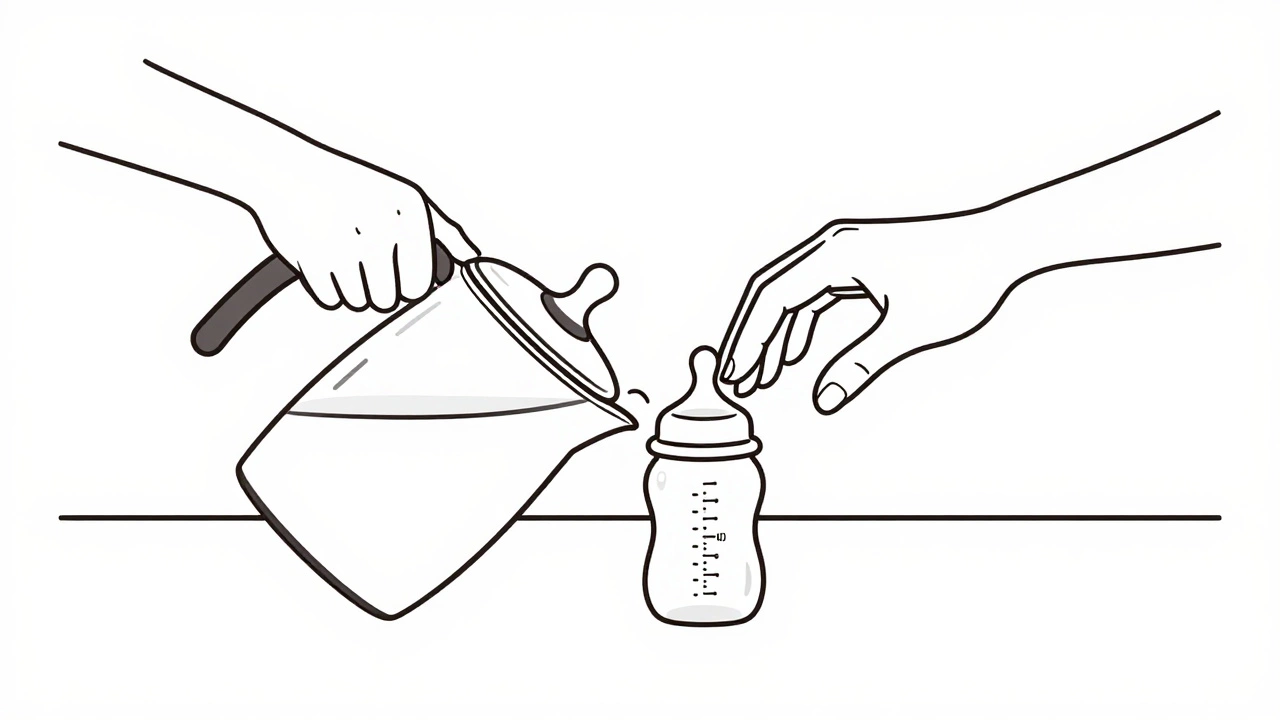
Proper preparation is critical to prevent illness. The NHS guidelines state: always boil water and cool it to at least 70°C before mixing with formula powder. This temperature kills harmful bacteria like Cronobacter. Never use cold tap water or unboiled water. Sterilize bottles and nipples before each use, and wash your hands thoroughly. Prepared formula should be used within two hours if left at room temperature or within 24 hours if refrigerated. Avoid warming formula in the microwave-it creates hot spots that can burn your baby's mouth. Instead, place the bottle in warm water for a few minutes.
Common Myths and Misconceptions
There's a lot of misinformation about formula feeding. One myth is that homemade formulas are safe. The NHS strongly advises against this-recipes using cow's milk, honey, or other ingredients can cause serious health issues. Another myth is that 'more expensive' means 'better'. In reality, all UK-approved formulas meet the same nutritional standards; price differences usually reflect branding or organic ingredients. Some parents believe switching formulas frequently helps with colic, but this isn't true. Frequent changes can upset a baby's digestion. Always consult a healthcare professional before making changes.
When to Seek Medical Advice
While formula is generally safe, watch for signs your baby isn't tolerating it. These include severe diarrhea, blood in stool, persistent vomiting, poor weight gain, or extreme fussiness. If your baby has a rash, breathing difficulties, or swelling after feeding, seek immediate medical help-these could indicate an allergic reaction. The NHS also advises regular check-ups with a pediatrician to monitor growth. If you're unsure about which formula to use, talk to your GP or health visitor. They can refer you to a specialist if needed.
Frequently Asked Questions
Can I use cow's milk instead of formula for my baby under 1 year?
No. Cow's milk lacks key nutrients like iron and vitamin C that babies need. It's also harder to digest and can cause digestive issues or iron deficiency anemia. The NHS recommends only breast milk or infant formula until age 1. After that, whole cow's milk can be introduced as part of a balanced diet.
What's the difference between regular and organic infant formula?
Organic formulas are made from milk or soy produced without synthetic pesticides or fertilizers. However, their nutritional content is identical to regular formulas. The main difference is in farming practices. In the UK, both types must meet the same safety standards. Some parents choose organic for environmental reasons, but it's not medically necessary for your baby's health.
How do I know if my baby has a formula allergy?
Signs include severe eczema, vomiting, diarrhea, blood in stool, or poor weight gain. If you notice these symptoms, consult a pediatrician immediately. They may recommend switching to a hydrolyzed or amino acid-based formula. Never change formulas without professional advice, as this could worsen the issue.
Is it safe to mix breast milk and formula?
Yes, many parents combine both. However, mixing them in the same bottle can lead to wasted breast milk if the baby doesn't finish it. It's better to offer breast milk first, then supplement with formula if needed. Always follow proper storage guidelines for both-breast milk can be stored longer than prepared formula.
Can I use toddler formula for my infant?
No. Toddler formulas are designed for children over 1 year and lack the specific nutrients infants need for growth. They have different vitamin and mineral levels that could harm a young baby. Always use infant formula labeled for 0-12 months until your child turns one.