Baby Carrier Lifespan Estimator
Your Child's Information
Carrier Details
Safety Assessment
Loading...Most parents buy a baby carrier because it’s convenient - hands-free walks, grocery runs, and nap-time snuggles all become easier. But after a year or two of heavy use, you start wondering: how many years are baby carriers good for? The answer isn’t simple. It depends on the type, how often you use it, how well you care for it, and most importantly - your child’s growth and safety needs.
Typical Lifespan of Baby Carriers
Most baby carriers are designed to last between 18 months and 3 years. That’s not because they fall apart, but because your baby outgrows them. Soft-structured carriers (SSCs) like the Ergobaby Omni 360 or BabyBjörn One usually support babies from 7 pounds up to 45 pounds. That’s roughly from newborn to age 3 or 4, depending on the child’s weight and build.
Ring slings and wrap carriers have a longer physical lifespan - some last 5+ years - but their practical use window is shorter. Once your child hits 30-35 pounds, most parents stop using them for extended carries because the strain on your back becomes too great. Even if the fabric holds up, your body doesn’t.
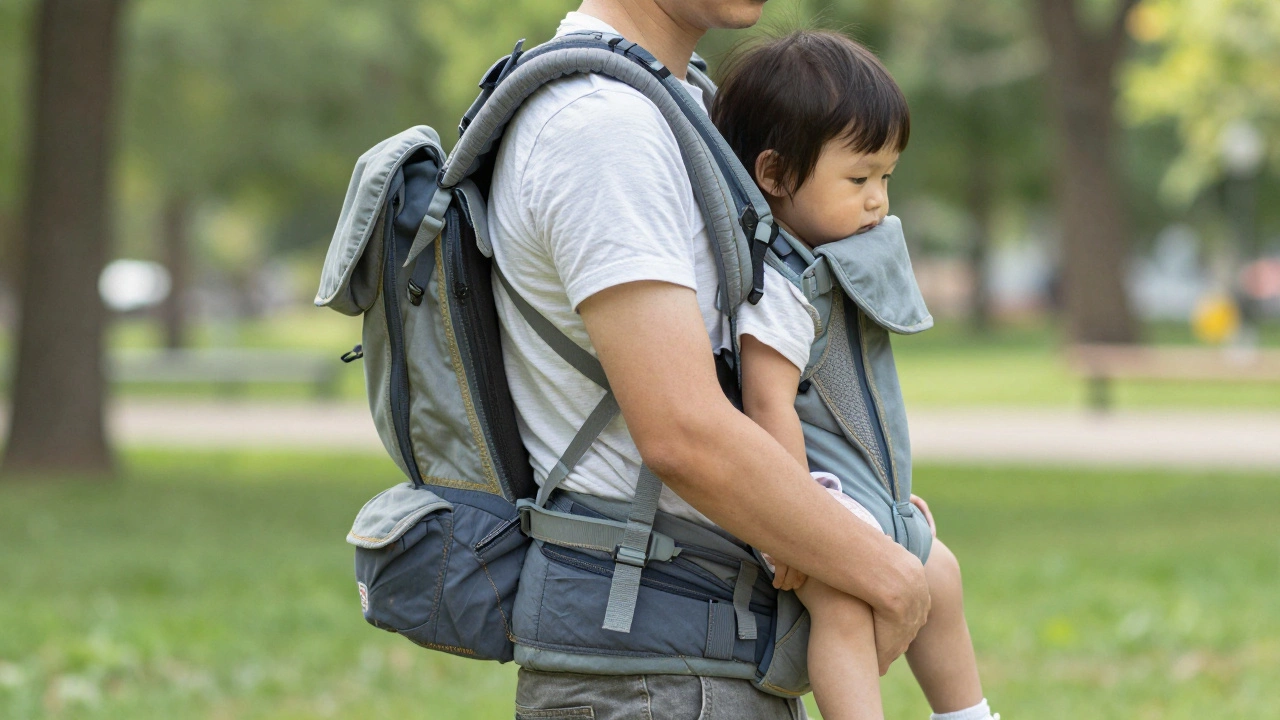
Mei Tai carriers and structured backpack carriers often last longer. Some parents still use them with toddlers up to 5 years old, especially for hikes or long outings. But again, that’s not because the carrier is still “good,” but because the child is still small enough to fit and the parent is strong enough to carry them.
When Your Baby Outgrows the Carrier
The biggest factor in replacing a carrier isn’t wear and tear - it’s size. Most manufacturers list weight limits for a reason. If your child exceeds the max weight, you risk straining your spine, shoulders, or hips. A 40-pound toddler in a carrier designed for 35 pounds puts uneven pressure on the straps and waistband. That’s not just uncomfortable - it’s unsafe.
Height matters too. If your child’s head no longer fits within the carrier’s head support, or their legs dangle awkwardly without proper knee-to-knee positioning, it’s time to stop. Poor positioning can affect hip development. The International Hip Dysplasia Institute recommends carriers that support the thigh and keep knees higher than the bottom. If your toddler’s legs are straight down, the carrier isn’t working for them anymore.
Some parents keep using carriers past these limits because they love the closeness. But that’s like driving a car past its max load rating - it might seem fine for a while, but something will break. And it’s not worth the risk.
Signs Your Carrier Is Worn Out
Even if your child hasn’t outgrown it, the carrier itself might be done. Look for these red flags:
- Loose or frayed stitching around shoulder straps or waistband
- Faded or brittle fabric that cracks when stretched
- Broken or stiff buckles that don’t click securely
- Stretchy fabric that no longer holds its shape
- Worn padding that flattens out and offers no support
One parent I spoke to kept using her Ergobaby carrier until her 4-year-old slipped out mid-walk. The waistband had stretched so much from daily use that it no longer locked in place. She didn’t notice until it happened. That’s not a coincidence - it’s a warning sign.
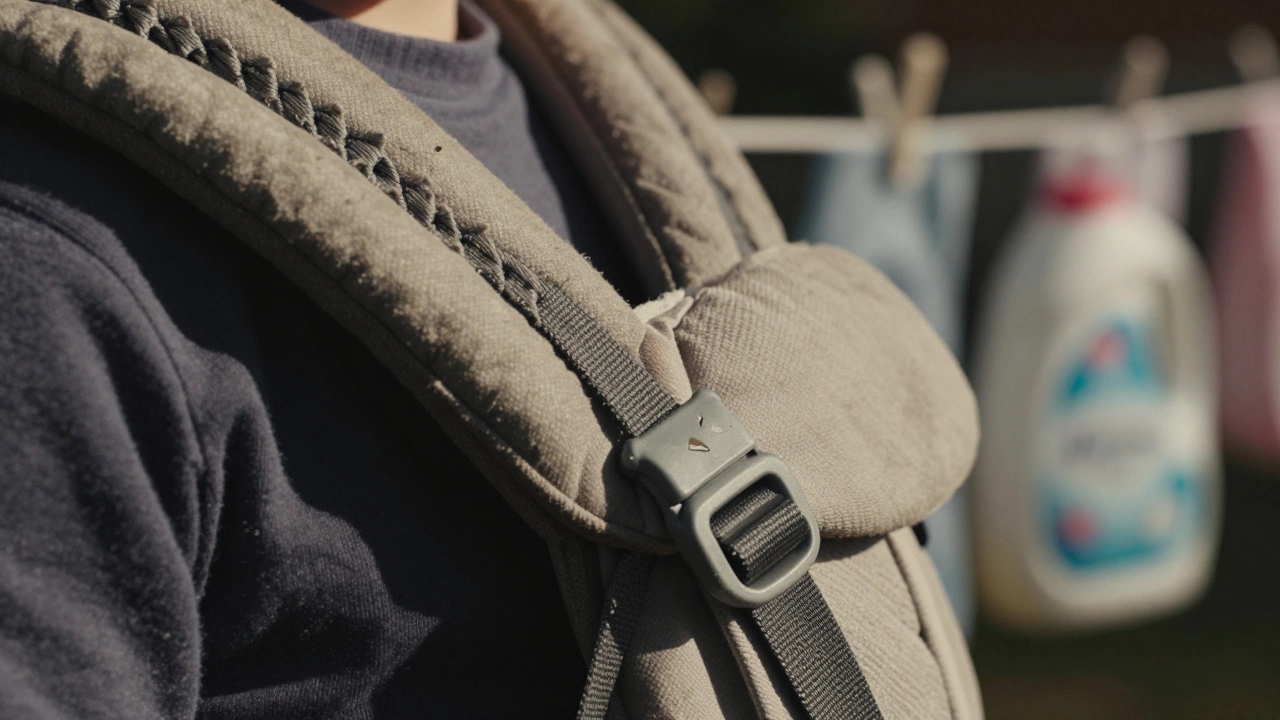
Washing can also shorten a carrier’s life. Frequent machine washing, especially with hot water or fabric softener, breaks down elastic fibers and weakens seams. Always follow the manufacturer’s care instructions. Hand wash when possible. Air dry. Never put it in the dryer.
Are Used Baby Carriers Safe?
Buying a secondhand carrier can save money - and it’s eco-friendly. But proceed with caution. You can’t tell if a carrier has been dropped, overloaded, or exposed to extreme heat (like left in a hot car). These things damage materials without leaving obvious signs.
If you’re buying used, check for:
- Original tags or model number to verify age
- Receipt or proof of purchase to check recall status
- Any signs of repair - glued seams, re-stitched areas, replaced hardware
- Whether the manufacturer still supports that model
Some brands, like Tula and Lillebaby, have recall pages on their websites. If your carrier is older than 5 years, it might not meet current safety standards. The American Academy of Pediatrics updated its guidelines in 2023 to emphasize hip-healthy positioning and weight limits - older carriers may not comply.
What to Do With an Old Carrier
Don’t toss it in the trash. Even if it’s worn out, it can still help someone else.
- Donate it to a local parenting group or women’s shelter - many need carriers for families in crisis
- Repurpose the fabric into a baby blanket or pet bed
- Give it to a friend with a newborn - even if it’s past its prime, it’s better than nothing
- Recycle the metal buckles and plastic parts at a local electronics recycling center
Some brands like BabyBjörn and Ergobaby have take-back programs. Send in your old carrier and they’ll recycle the materials. You might even get a discount on your next one.
When to Upgrade
You don’t need to replace your carrier every time your child grows. But here are the right reasons to upgrade:
- Your child is over the weight limit - even by 5 pounds
- You feel pain in your back, neck, or shoulders after 15 minutes of use
- The carrier doesn’t support your child’s hips properly
- You’re switching from newborn to toddler mode and the carrier doesn’t adjust
- The manufacturer issued a safety recall
There’s no shame in upgrading. A new carrier might cost $100-$200, but it’s cheaper than physical therapy or a hospital visit from an injury. Plus, newer models have better ergonomics, more padding, and improved safety features.
What to Look for in a New Carrier
When you’re ready to replace yours, focus on these features:
- Weight limit: Aim for at least 45 pounds if you plan to use it past age 3
- Hip-healthy design: Look for “hip-healthy” certification from the International Hip Dysplasia Institute
- Adjustable straps and waistband: Should fit both tall and short parents
- Machine-washable: Easy cleaning extends life
- Warranty: Brands like Tula and Lillebaby offer 1-2 year warranties
Don’t get fooled by marketing. A carrier labeled “premium” isn’t always better. Read real user reviews. Look for comments about durability after 2+ years of daily use. That’s the real test.
Final Answer: How Many Years Are Baby Carriers Good For?
Most baby carriers are good for 18 months to 3 years - the time most kids spend in them. But the real answer is: until your child outgrows it, or the carrier shows signs of wear. Never ignore weight limits. Never use a carrier with damaged hardware. And don’t assume old equals safe.
With proper care, a carrier can last longer than your child needs it. But your child’s safety and comfort come first. When in doubt, replace it. Your back - and your toddler - will thank you.
Can I use a baby carrier after my child turns 3?
Yes, if your child is still under the carrier’s weight limit (usually 40-45 pounds) and the carrier is in good condition. Many parents use carriers with 3- to 4-year-olds for short trips, hikes, or when the child is tired. But once your child consistently weighs more than the limit, it’s time to stop.
Do baby carriers expire like car seats?
Unlike car seats, baby carriers don’t have a mandatory expiration date. But they do have a practical lifespan. Materials degrade over time, especially with frequent washing and sun exposure. Most manufacturers recommend replacing carriers after 3-5 years, even if they look fine. Safety standards also change - older carriers may not meet current hip-healthy guidelines.
Is it safe to use a baby carrier that was used by another child?
It can be, if you inspect it carefully. Check for frayed stitching, stiff buckles, faded fabric, or signs of repair. Make sure the model hasn’t been recalled. Avoid carriers older than 5 years. If the carrier looks worn or you can’t verify its history, it’s safer to buy new.
Can I wash my baby carrier in the washing machine?
Some can, but always check the label first. Most manufacturers recommend machine washing on cold, gentle cycle with mild detergent. Never use bleach or fabric softener - they break down elastic fibers. Air dry only. Machine drying can shrink or warp the fabric and damage buckles.
What’s the best baby carrier for a toddler?
For toddlers, structured backpack carriers like the Deuter Kid Comfort or Osprey Poco are ideal. They distribute weight better, have padded hip belts, and support kids up to 48 pounds. Soft-structured carriers with wide, adjustable straps - like the Lillebaby Complete - also work well. Look for models with a toddler-specific position that keeps knees higher than hips.