Diaper Usage & Cost Estimator
Estimate how many diapers you are using per day and what it costs you. Adjust the slider to match your child's current potty training status.
You put them on the potty regularly, but they miss half the time. They might wear pull-ups during the day and diapers at night.
Your Estimated Usage
Tip: If you are in the Early Training phase, consider switching to traditional diapers for nighttime to save money, as pull-ups are more expensive and less absorbent for overnight use.
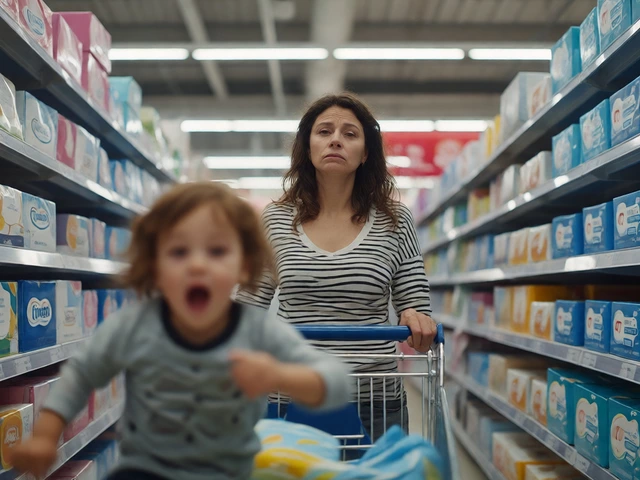
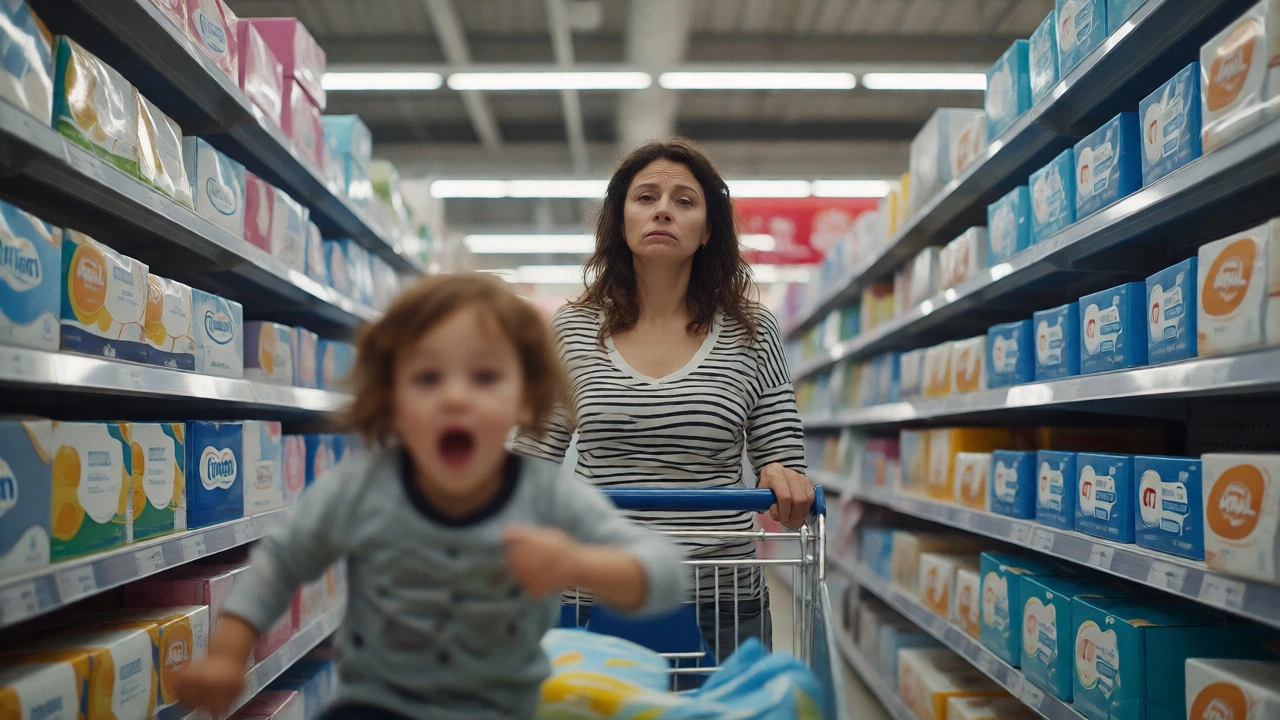
You’re standing in the aisle of your local supermarket, staring at two giant boxes of diapers. One says "Size 5," the other "Training Pants." Your 2.5-year-old is running around the cart, refusing to sit still. You wonder: do I even need diapers anymore? Or am I just throwing money away? The truth is, there’s no single magic number for how many diapers a day for a 2.5 year old. It depends entirely on where your child is in their potty training journey. Some toddlers are dry all night and day but still wear them for comfort; others are fully trained but have accidents. Let’s break down what’s normal, what’s wasteful, and how to save your sanity (and your wallet).
The Reality Check: Is 2.5 Too Old for Diapers?
First, let’s clear up the guilt. If your 30-month-old is still wearing diapers, you aren’t behind. In the UK and much of Europe, children often start serious potty training between 2.5 and 3 years. In the US, it might happen earlier, but development varies wildly. At this age, most kids physically can hold urine for longer periods, but the mental leap-recognizing the urge and getting to the toilet in time-is still tricky.
So, how many diapers should you actually be using? For a child who hasn’t started potty training yet, expect 4 to 6 changes a day. That’s roughly one every 3-4 hours during waking hours, plus one overnight. But if you’ve started training, that number drops drastically. You might only use 1 or 2 diapers a day, mostly for naps or bedtime. If you’re changing more than 6 diapers a day on a toddler who drinks plenty of water and isn’t sick, check their diet or consult a pediatrician. Excessive urination can sometimes signal a urinary tract infection or diabetes, though it’s usually just high fluid intake.
Understanding the Potty Training Spectrum
Think of potty training as a spectrum, not a switch. Most parents think it’s either "on" or "off," but reality is messy. Here’s how diaper usage correlates with each stage:
- Pre-Training (The Observer): Your child shows interest but doesn’t participate. They wear full diapers 24/7. Expect 5-6 diapers daily. This is common for kids under 2.5 who simply aren’t ready.
- Early Training (The Accident Zone): You put them on the potty regularly, but they miss half the time. They might wear pull-ups during the day and diapers at night. Usage drops to 3-4 diapers/pull-ups per day.
- Late Training (The Transition): They stay dry for long stretches. You might only use a diaper for sleep or outings. Usage is 1-2 per day.
- Fully Trained (Daytime Dry): No daytime diapers. Nighttime diapers may persist until age 4 or 5 due to biological factors like hormone production. Usage is 1 per day (overnight).
If you’re stuck in the "Accident Zone," don’t force it. Pushing too hard often leads to withholding, where kids refuse to pee because they’re anxious. That causes bigger messes later. Patience saves more diapers in the long run than aggressive scheduling.
Diapers vs. Pull-Ups: What’s Better for a 2.5-Year-Old?
This is the biggest debate in the diaper aisle. Traditional diapers have tabs; pull-ups look like underwear and tear off. Which should you buy? It depends on your goal.
| Feature | Traditional Diapers (Taped) | Pull-Ups (Training Pants) |
|---|---|---|
| Absorbency | High. Best for overnight and heavy wetters. | Moderate. Leaks more easily if left on too long. |
| Cost | Cheaper per unit. | More expensive per unit. |
| Potty Training Aid | Harder to remove quickly. Less independence. | Easy to pull down. Encourages self-reliance. |
| Skin Health | Better fit reduces leaks and rash risk. | Can sag when wet, causing chafing. |
Here’s a pro tip from parents who’ve been through three rounds of potty training: Use traditional diapers for nighttime and pull-ups for daytime transitions. Why? Because nights require maximum absorbency to prevent bedwetting stains, and cost matters less since you only change once. During the day, the ability for your child to pull their own pants down is crucial for building confidence. Don’t mix them up-using pull-ups at night often leads to leaked sheets by 3 AM.
Nursery Setup Matters: Where Are You Changing Them?
You might wonder why this article is in the Nursery Furniture category. It’s simple: your changing setup affects how often you change diapers. If your changing station is far from the bathroom or living room, you’ll delay changes. Delayed changes mean leaks, rashes, and more frequent laundry.
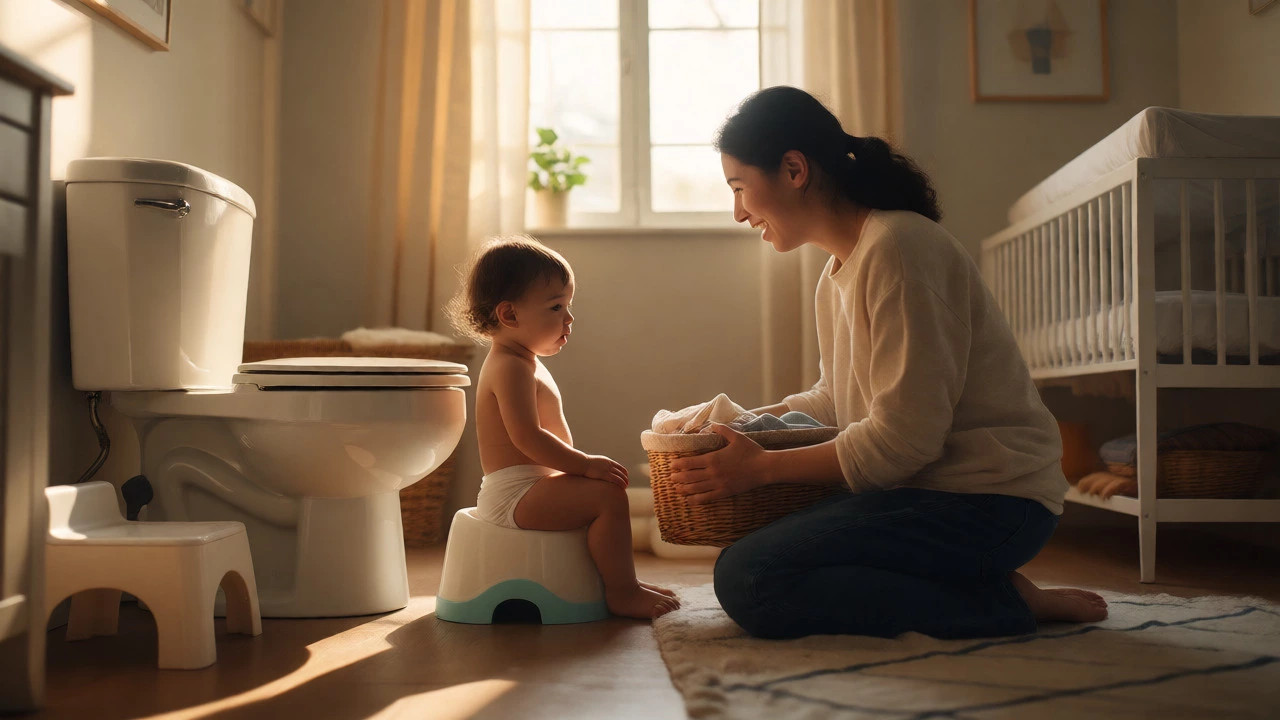
At 2.5 years, many kids hate being laid flat on a changing table. They want to stand. Consider a standing changing pad or a portable changing mat that sits on top of your dresser. This speeds up the process. If you’re potty training, keep a small step stool next to the toilet and a basket of clean underwear nearby. If you’re still using diapers, ensure your changing area has wipes within arm’s reach. You cannot leave a squirming toddler alone to grab a wipe.
Also, consider the height of your changing table. As your child grows, bending over becomes painful. By age 2.5, many parents switch to changing on the floor or a lower surface to avoid back strain. This ergonomic shift often reduces the stress of diaper changes, making both parent and child happier.
Signs You’re Using Too Many Diapers
Are you burning through packs faster than expected? Here are common culprits:
- Oversized Diapers: If your child wears Size 4 but fits loosely, urine pools at the bottom and leaks out the legs. You end up changing them more often to fix leaks. Switch to a snugger fit or a different brand. Brands vary significantly in cut-Huggies runs narrower, while Pampers tends to be wider.
- Over-Hydration: Is your toddler drinking juice or milk constantly? Diluted urine fills diapers faster. Try offering water instead of sugary drinks before bed.
- Constipation: A full bowel presses on the bladder, reducing capacity. This causes more frequent urination. Increase fiber in their diet if you notice hard stools.
- Anxiety: Some toddlers regress during stress (new sibling, moving house). They may void frequently as a behavioral response. This is temporary. Stick to routine.
If you’re changing 8+ diapers a day without illness, review these factors. Adjusting the fit or diet can instantly cut usage by 20%.
When to Drop Diapers Completely
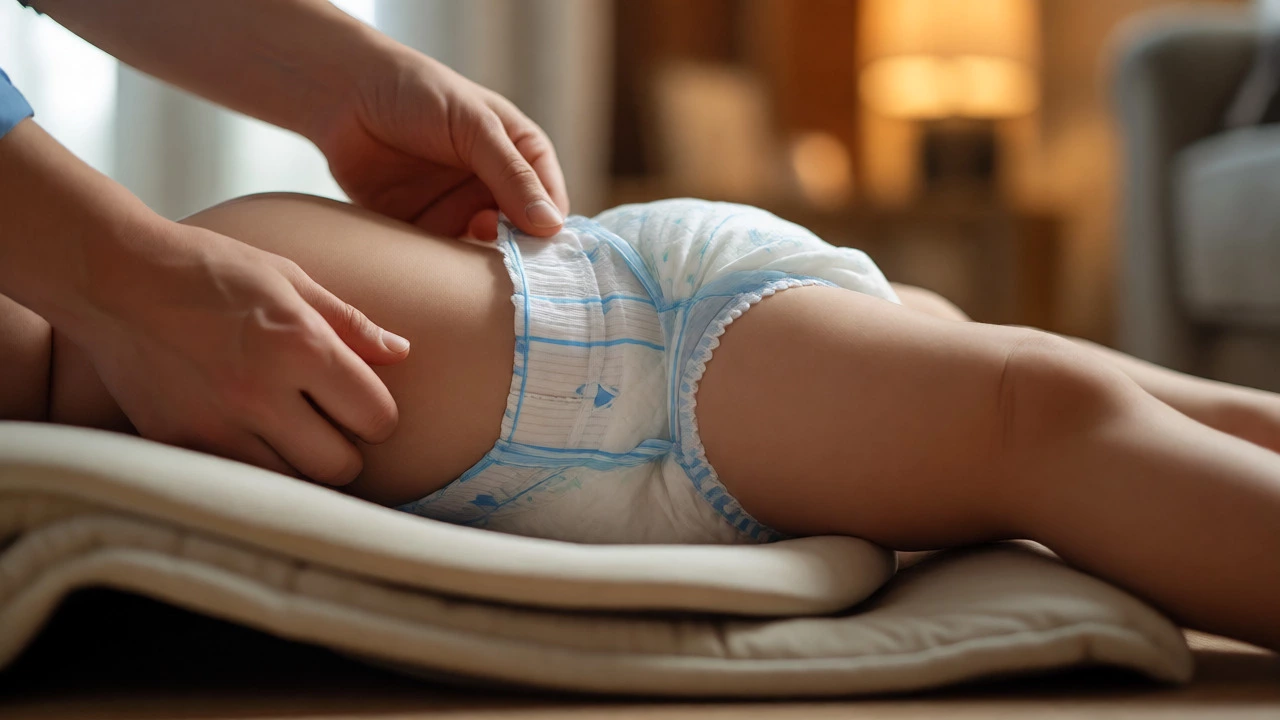
There’s no deadline. However, most preschools in the UK require children to be daytime toilet trained by age 3. If your 2.5-year-old is consistently dry for two hours at a stretch and tells you when they need to go, you’re close. Start dropping daytime diapers first. Keep nighttime ones until they wake up dry three mornings in a row.
Remember, boys often train later than girls, and second-borns often learn faster by watching siblings. Don’t compare your timeline to your neighbor’s. If your child is happy, healthy, and learning, you’re doing fine. Save the extra diapers for emergencies-they’re useful for car trips or long shopping excursions where finding a clean public restroom is a gamble.
Practical Tips to Reduce Diaper Waste
Let’s talk money. Diapers cost roughly £0.30-£0.50 each. At 5 a day, that’s nearly £100 a month. Here’s how to cut costs without sacrificing comfort:
- Buy in Bulk: Subscribe-and-save options on Amazon or Costco often beat local supermarket prices. Look for sales on larger sizes (Size 5+) which last longer per pack.
- Use Cloth Inserts: If you’re open to hybrid options, some brands offer washable inserts for disposable covers. This cuts waste by 50%.
- Limit Overnight Changes: If your child sleeps through the night, don’t preemptively change them unless they’re soaked. Modern diapers handle 10-12 hours well.
- Switch to Underwear Early: Once daytime accidents drop below once a day, switch to cotton underwear. Accidents are easier to clean than diaper blowouts, and it accelerates the final step of training.
Is it normal for a 2.5 year old to still wear diapers at night?
Yes, absolutely. Bedwetting (nocturnal enuresis) is very common until age 5 or even 7. It’s often genetic and related to the body’s production of antidiuretic hormone at night. Wearing a diaper or pull-up at night prevents ruined bedding and reduces anxiety for both child and parent.
Should I use pull-ups or regular diapers for potty training?
Many experts recommend avoiding pull-ups during active potty training because they feel too much like diapers, so the child doesn’t sense the wetness. Regular underwear lets them feel discomfort, which motivates them to get to the toilet. However, pull-ups are excellent for the transition phase or for outings where accidents are likely.
How do I know if my toddler’s diaper size is correct?
Check for red marks on the thighs or waist after removal. If there are deep indentations, the diaper is too tight. If you see leaks from the leg cuffs despite a snug fit, it might be too big or the wrong shape for your child’s body type. Always refer to the weight range on the box, but trust your eyes over the label.
What if my 2.5 year old refuses to wear diapers?
This is often a sign of readiness. If they resist strongly, try switching to underwear immediately and accept more frequent laundry. If they aren’t ready but hate the diaper, try a different brand or style. Sometimes the texture or sound of the tape bothers them. Letting them choose the design can also help.
Does starting potty training early affect bladder control?
Forcing potty training before physical readiness can lead to constipation and withholding issues. It’s better to wait until signs of readiness appear (staying dry for 2+ hours, showing interest, communicating needs). Starting too early doesn’t necessarily harm long-term control, but it often prolongs the process and increases frustration.