
Nursery Readiness & Safety Timeline Calculator
Enter Child Details
Sleep Location Strategy
Immediate Safety Alerts
Recommended Action Plan
There is a specific moment every parent dreads: the day you realize your nursery has become a storage unit for laundry baskets and forgotten toys. But before you start packing up the crib or moving the changing table into the hallway, you need to answer one critical question: how long should a baby actually stay in that dedicated space? It’s not just about interior design trends or saving square footage. It’s about safety, developmental needs, and the biological clock of a growing child.
The short answer? You should keep your baby in a shared sleeping environment (usually the parents' bedroom) for at least the first six months, ideally twelve months. However, the "nursery" as a dedicated play and sleep zone often remains relevant until the child transitions to a toddler bed, which typically happens between ages two and three. Let’s break down why timing matters so much, and what happens if you get it wrong.
The Critical First Year: Why Proximity Saves Lives
If there is one rule in modern pediatric care that has shifted dramatically in the last decade, it is the recommendation on where a baby sleeps. The American Academy of Pediatrics (AAP) strongly recommends room-sharing without bed-sharing for at least the first six months, and preferably up to one year. This isn't just a suggestion; it's backed by data showing that babies who sleep in their parents' room have a significantly lower risk of Sudden Infant Death Syndrome (SIDS).
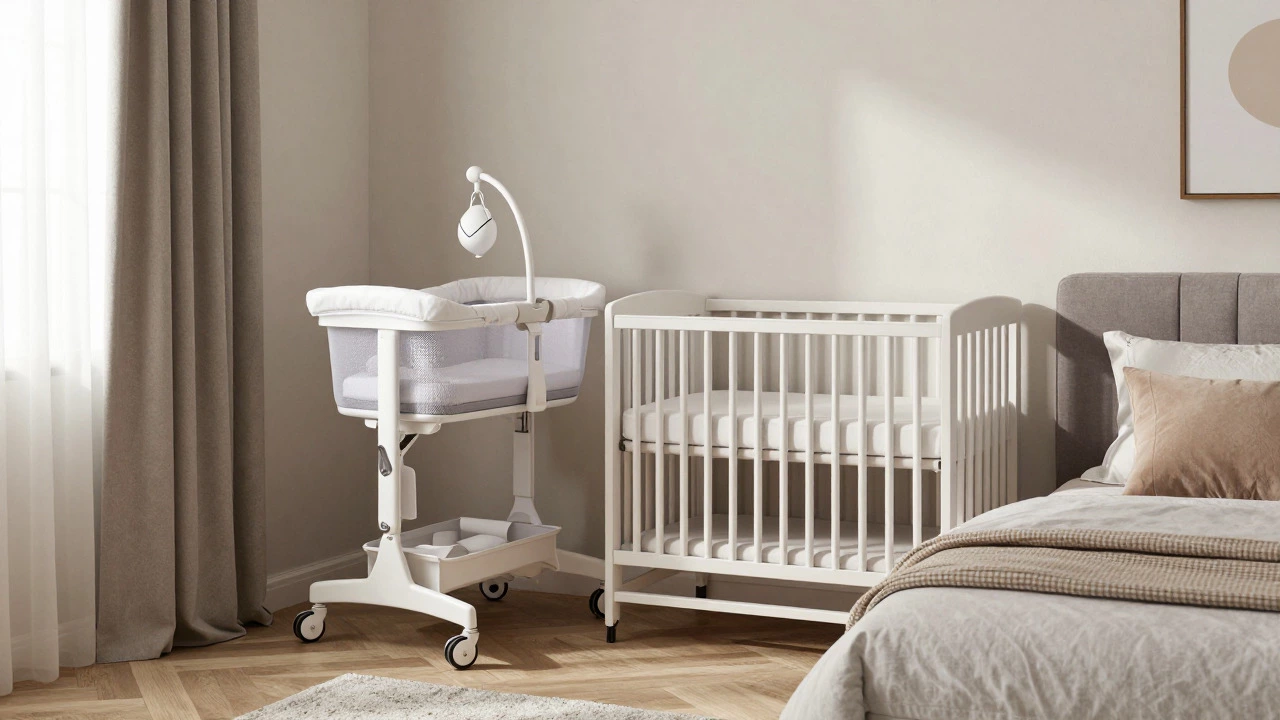
Why does this matter for your nursery furniture investment? Because during this phase, the "nursery" might just be a corner of your master bedroom with a bassinet or a portable crib. You aren't optimizing for aesthetics; you are optimizing for survival. The proximity allows you to hear subtle changes in your baby's breathing patterns and respond quickly to feeding cues. If you move your baby into a separate room too early-say, at two months-you lose that immediate auditory feedback loop. Studies suggest that room-sharing reduces SIDS risk by up to 50% compared to room-separation.
- 0-6 Months: Mandatory room-sharing. The crib or bassinet must be in your bedroom.
- 6-12 Months: Continued room-sharing is ideal. If you move them to a separate nursery now, ensure you have a high-quality audio or video monitor.
- 12+ Months: Transitioning to a separate room becomes safer and more practical as SIDS risk drops significantly.
When Does the Dedicated Nursery Make Sense?
Once you pass the one-year mark, the safety imperative shifts from life-or-death to convenience and routine. This is when the traditional concept of a dedicated nursery starts to shine. By age one, most toddlers are mobile, curious, and starting to understand boundaries. A separate room provides a controlled environment for naps and nighttime sleep, free from the distractions of adult activity.
Consider the logistics. If you keep your child in your bedroom past age two, you’re likely dealing with a toddler who wakes up at 4 AM because they saw sunlight hitting the wall, or because they want to play with your jewelry. Moving them to a separate nursery establishes a clear psychological boundary: this room is for sleep and quiet play. It helps regulate their circadian rhythm. Research indicates that consistent sleep environments improve sleep quality in toddlers aged 18 months and older.
However, don’t rush this transition based on furniture availability alone. Many parents buy a full-sized crib for the nursery but continue using a mini-crib in the master bedroom until the child is 18 months old. This hybrid approach works well. The key is ensuring the separate room is fully child-proofed before the move. A nursery with unsecured bookshelves or loose window blinds is a hazard, not a haven.
The Toddler Transition: From Crib to Bed
The next major milestone in the lifespan of a nursery is the switch from a crib to a toddler bed. This usually happens between ages two and three. Why this range? Most children outgrow cribs physically around 35 inches tall or when they can climb out. Once climbing begins, the crib becomes a danger zone. Falls from cribs account for thousands of emergency room visits annually.
This transition marks the end of the "infant nursery" phase. Your focus shifts from containment (keeping them in) to exploration (letting them navigate). At this stage, the nursery serves multiple purposes: sleep, reading, and creative play. You’ll notice that furniture like dressers and changing tables lose their primary function. Diaper changes happen less frequently, and eventually stop entirely. That bulky changing table? It’s time to repurpose it as a toy chest or donate it.
Parents often ask if they should convert the crib to a toddler bed immediately. Not necessarily. If your child is still sleeping safely in the crib and hasn’t started climbing, you can wait. Forcing the transition too early can lead to sleep regressions. Wait for signs of readiness: asking for a "big kid bed," mastering potty training, or simply becoming too tall for the rails.
Safety Checks: What Changes Over Time?
As your child grows, the risks in the nursery evolve. In the infant stage, the biggest dangers are suffocation hazards and unsafe sleep surfaces. In the toddler stage, the risks shift to falls, poisoning, and entrapment. Here is how your safety checklist should change:
| Age Group | Primary Hazards | Furniture Adjustments |
|---|---|---|
| 0-12 Months | Suffocation, SIDS, Loose bedding | Firm mattress, no pillows/blankets, secure crib hardware |
| 1-2 Years | Climbing out, Tip-over accidents | Anchored dressers/bookshelves, cordless window coverings |
| 2-3 Years | Falls from beds, Choking on small parts | Low-profile toddler bed, outlet covers, secured heavy items |
| 3+ Years | Entanglement, Poisoning | Lockable cabinets for meds/cleaners, blind cord wind-ups |
Note the emphasis on anchoring furniture. The Consumer Product Safety Commission (CPSC) reports that furniture tip-overs kill several children each year. A dresser that was stable when your baby was crawling becomes a death trap when your toddler uses it as a ladder to reach the top shelf. Always anchor any piece of furniture taller than 30 inches to the wall, regardless of whether it looks sturdy.
Psychological Factors: Attachment and Independence
Beyond physical safety, the duration a child spends in a nursery impacts their emotional development. Separation anxiety peaks around 9-18 months. Moving a child to a separate room during this peak can cause distress. Parents often report increased night waking and difficulty settling after the move. Timing is everything. Try to align the move to a separate nursery with a period of stability-not during a move, a new sibling arrival, or potty training struggles.
Conversely, keeping a child in the parents' bedroom beyond age three can sometimes hinder independence. Children learn to self-soothe and manage sleep cycles better in their own space. The nursery becomes a sanctuary where they develop autonomy. They choose their stuffed animals, arrange their books, and create a sense of ownership over their environment. This psychological ownership fosters confidence and reduces bedtime resistance.
Practical Tips for Extending Nursery Lifespan
You don’t need to overhaul the room every six months. Smart planning can make a nursery functional from infancy through early childhood. Here are some strategies to maximize the utility of your space:
- Invest in Convertible Cribs: Choose a crib that converts to a toddler bed, then a daybed, and finally a full-size bed. This single piece of furniture can serve your child for five to seven years.
- Neutral Base, Swappable Decor: Keep walls and large furniture neutral. Change rugs, curtains, and wall art as your child’s interests evolve. This saves money and reduces waste.
- Multi-Functional Storage: Use ottomans with hidden storage for toys. As diapers disappear, these same bins hold books and games. Avoid single-use items like dedicated diaper stacks unless you plan to sell them quickly.
- Flexible Lighting: Install dimmable lights. Bright overheads are useful for cleaning and play, but soft, warm lights are essential for bedtime routines. Nightlights become crucial once fears of the dark set in around age two.
Remember, the goal is adaptability. A nursery that feels cramped at six months might feel spacious at two years if you declutter regularly. Rotate toys monthly to keep the environment fresh without buying new things. This practice, known as "toy rotation," keeps toddlers engaged and prevents sensory overload.
Common Mistakes to Avoid
Many parents make the mistake of prioritizing Instagram-worthy aesthetics over functionality. A beautiful nursery with hard-to-reach shelves and delicate decor is frustrating for a tired parent. Prioritize durability and ease of cleaning. Vinyl-covered mattresses, wipeable walls, and sturdy wood furniture will survive spills, scribbles, and roughhousing far better than fragile accents.
Another error is moving the child to a separate room too late. While room-sharing is great for infants, prolonged co-sleeping arrangements (even in separate beds in the same room) can disrupt parental sleep hygiene. Adults and children have different sleep needs. After age two, separate rooms allow both parties to rest more deeply, leading to better mood and patience during the day.
Finally, don’t ignore the secondhand market. Nursery furniture depreciates rapidly because children outgrow its purpose so quickly. Buying used cribs and dressers from reputable sources can save hundreds of dollars. Just ensure that any used crib meets current safety standards-specifically, slat spacing should be no more than 2 3/8 inches apart to prevent head entrapment.
Is it safe to put a newborn in a separate nursery?
The American Academy of Pediatrics recommends against placing a newborn in a separate room. Room-sharing for at least the first six months, and ideally up to one year, reduces the risk of SIDS by up to 50%. If you must use a separate room, ensure you have a reliable monitor and check on the baby frequently.
At what age should I move my child out of the master bedroom?
Most experts suggest transitioning to a separate room between 12 and 18 months. By this age, the SIDS risk has decreased significantly, and the child is beginning to establish independent sleep habits. However, if your home layout requires it, you can extend room-sharing slightly longer, provided it doesn't interfere with parental sleep.
How do I know when my child is ready for a toddler bed?
Look for signs such as climbing out of the crib, reaching a height of 35 inches, or expressing interest in a "big kid" bed. Typically, this happens between ages two and three. If they are sleeping safely in the crib and not climbing, there is no rush to switch.
Can I reuse nursery furniture for a second child?
Yes, but only if the furniture meets current safety standards. Check recall lists online. Ensure crib slats are no more than 2 3/8 inches apart, hardware is tight, and there are no broken parts. Mattresses should be firm and fit snugly. Older furniture may lack modern anti-tip anchors, so add those yourself.
Does having a dedicated nursery help with sleep training?
It can. A separate room minimizes distractions like TV light or adult movement, helping the child associate the space solely with sleep. However, consistency in routine is more important than the room itself. Start sleep training practices while room-sharing if desired, then maintain them in the separate nursery.