Safe Sleep Environment Audit
Safety Score
Start checking...
Based on AAP Guidelines
It is one of the most terrifying thoughts that keeps new parents awake at night: the fear that something could happen to their baby while they are sleeping. Specifically, the fear of Sudden Infant Death Syndrome, or SIDS. If you have ever lay in bed wondering if you can hear your baby stop breathing, you are not alone. The question on everyone’s mind is often urgent and desperate: Can you stop SIDS while it’s happening?
The short, honest answer is no. You cannot intervene to "stop" SIDS once the biological event has triggered. SIDS is a sudden and unexplained death of an apparently healthy baby under one year of age, usually during sleep. By definition, it happens without warning signs that a parent can recognize and act upon in time to reverse the process. However, this does not mean you are powerless. What you *can* do is drastically reduce the risk factors associated with SIDS through proven safe sleep practices. This is where understanding the role of baby monitors and infant sleep safety devices becomes crucial.
Understanding the Myth of Intervention
To understand why you can't "stop" SIDS mid-event, we have to look at what SIDS actually is. Medical experts define it as a diagnosis of exclusion. This means doctors rule out other causes of death like infection, trauma, or metabolic disorders before labeling it SIDS. The prevailing theory involves a triple-risk model: a vulnerable infant, a critical developmental period (usually between 1 and 4 months), and an environmental stressor (like stomach sleeping or overheating).
When these three factors align, the baby’s ability to arouse from sleep or regulate breathing may fail. This failure is internal and physiological. There are no external alarms, gasps, or visible struggles that signal "I am dying, please help me." Therefore, no amount of monitoring technology can detect the specific moment SIDS begins because there is no distinct start point to detect. It is important to shift your mindset from trying to catch an event that gives no warning to creating an environment where the risk factors are removed entirely.
The Role of Baby Monitors in Sleep Safety
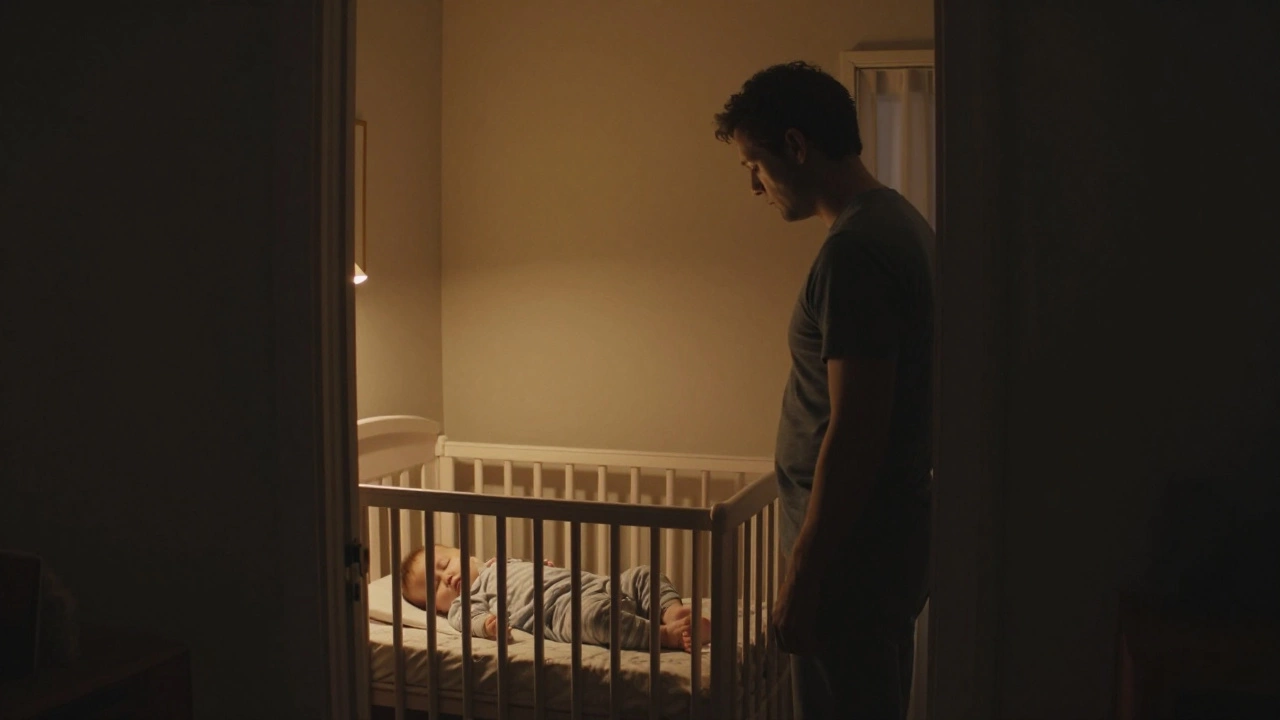
Many parents turn to technology for peace of mind. The market is flooded with various types of video baby monitors and audio monitors. But do they prevent SIDS? Not directly. A standard video monitor allows you to see your baby. An audio monitor lets you hear them. These tools are excellent for checking if a baby is crying, moving, or needs a diaper change. They are also vital for detecting obvious distress, such as choking on vomit or getting tangled in loose bedding.
However, relying on a monitor to "watch" for SIDS is a dangerous misconception. If a baby were to experience a life-threatening event, a standard monitor would likely only show the aftermath, not the cause. The silence might be noticeable, but by then, intervention would be too late. This is why health organizations emphasize that monitors are convenience and comfort tools, not medical safety devices. They help you bond with your baby and manage household logistics, but they do not replace the physical safety measures you take in the crib.
| Monitor Type | Primary Function | SIDS Prevention Value | Best For |
|---|---|---|---|
| Audio Monitor | Hearing cries and noises | Low (Hears obvious distress) | Budget-conscious parents, small homes |
| Video Monitor | Visual observation | Low (Sees movement/crying) | Parents who want visual confirmation |
| Smart Monitor | App-based viewing, AI alerts | Low (Alerts based on noise/motion) | Tech-savvy parents, remote access |
| Wearable Sensor | Tracking heart rate/breathing | Moderate (Detects abnormal vitals) | High-anxiety parents, preemies |
Safe Sleep Guidelines: The Real Protection
If monitors don't stop SIDS, what does? The American Academy of Pediatrics (AAP) provides clear, evidence-based guidelines that have been shown to significantly reduce the incidence of SIDS. These are not suggestions; they are the gold standard for infant survival. Implementing these rules creates a safe sleep environment that removes the environmental stressors mentioned in the triple-risk model.
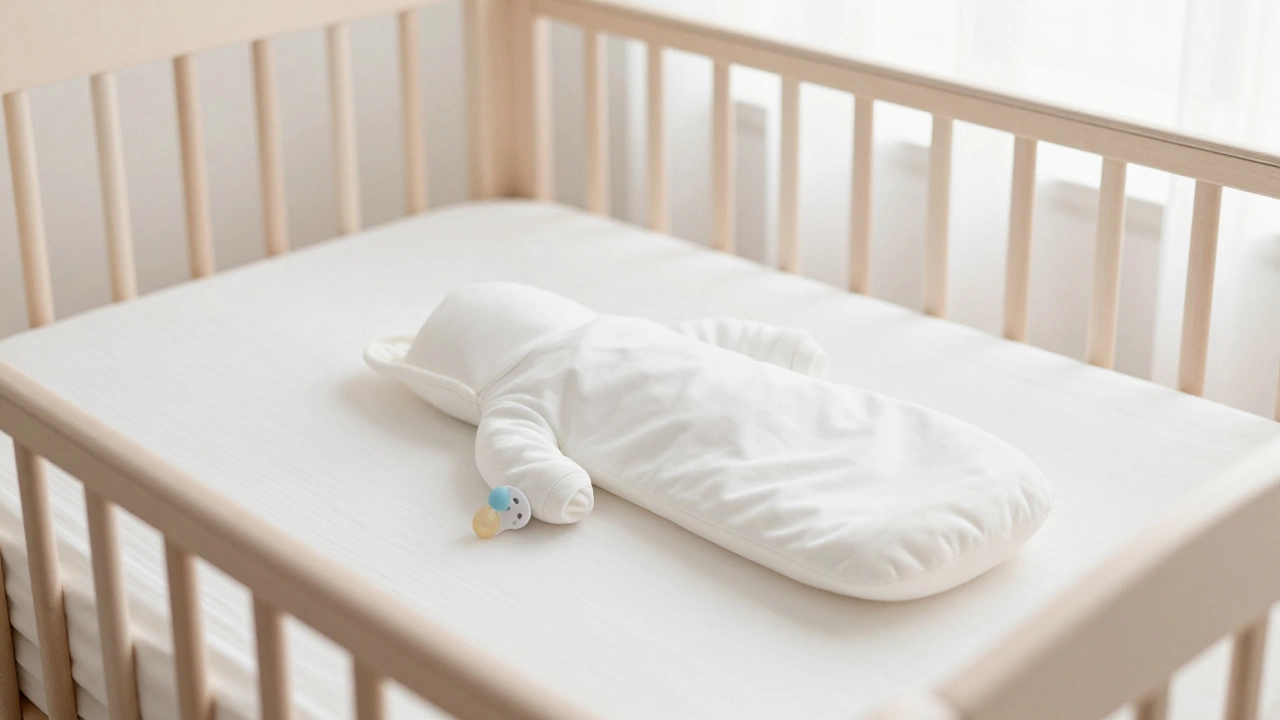
First, always place your baby on their back to sleep. This position keeps the airway open and prevents rebreathing of exhaled carbon dioxide. Second, use a firm sleep surface. Soft mattresses, waterbeds, and sofas increase the risk of suffocation and SIDS. Third, keep the crib bare. No pillows, blankets, stuffed animals, or bumper pads. These items pose suffocation hazards. Instead, dress your baby in a wearable blanket or sleep sack to keep them warm without loose fabric near their face.
Room-sharing is another critical factor. Keeping your baby’s crib in your room for at least the first six months reduces the risk of SIDS by up to 50%. This doesn’t mean co-sleeping in the same bed, which increases the risk of accidental suffocation. It means having them nearby so you can respond quickly to their needs while maintaining a separate, safe sleep space. This proximity is far more effective than any camera or sensor.
The Controversy of Wearable Sensors
In recent years, companies have marketed wearable devices that attach to a baby’s foot or chest, claiming to monitor heart rate and breathing. Some even promise to alert parents if breathing stops. While these devices seem like a logical solution to the fear of SIDS, the scientific community remains skeptical. Studies have not conclusively proven that these wearables prevent SIDS deaths. In fact, some researchers worry they give parents a false sense of security, leading them to neglect other safer practices like back sleeping.
Furthermore, these devices can generate false alarms. A high heart rate due to fever or crying might trigger an alert, causing unnecessary panic. Conversely, a technical glitch might miss a real issue. Until large-scale clinical trials prove their efficacy, health experts advise against relying on them as primary safety tools. They may offer emotional comfort, but they are not a substitute for following AAP guidelines.
Reducing Anxiety Without Over-Monitoring
New parenthood is exhausting, and anxiety is normal. It is easy to fall into the trap of constantly checking the monitor screen or obsessing over every sound. This hyper-vigilance can lead to burnout and increased stress, which isn’t good for you or your baby. Remember that babies make strange noises. Grunting, snorting, and brief pauses in breathing (known as periodic breathing) are normal in infants. Their nervous systems are still developing.
Instead of staring at the monitor all night, try to trust the safe sleep environment you’ve created. Use the monitor for its intended purpose: to know when your baby is crying and needs you. If you find yourself unable to relax, consider speaking with a healthcare provider about postpartum anxiety. Support groups and counseling can provide strategies to manage fear without compromising your well-being. Your calm presence is one of the best gifts you can give your child.
Practical Steps for Peace of Mind
You can take actionable steps today to maximize safety and minimize worry. Start by auditing your nursery. Remove any soft objects from the crib. Ensure the mattress fits snugly with no gaps. Check that the sleep sack is the right size for your baby. Next, establish a consistent bedtime routine. Predictable routines help babies settle faster and sleep more deeply, which can reduce nighttime waking and parental stress.
Also, educate yourself on CPR. Knowing how to perform infant cardiopulmonary resuscitation empowers you to act in any emergency, whether it’s choking, drowning, or cardiac arrest. Take a certified course offered by the Red Cross or similar organizations. This skill provides a tangible sense of control and preparedness that no gadget can match. Finally, connect with other parents. Sharing fears and experiences helps normalize your feelings and reminds you that you are not alone in this journey.
Can a baby monitor detect SIDS?
No, a standard baby monitor cannot detect SIDS. SIDS occurs without external warning signs like crying or struggling. Monitors can detect obvious distress such as choking or loud crying, but they cannot identify the internal physiological events associated with SIDS.
Is it safe to put a pillow in the crib?
No, pillows are unsafe for infants. They pose a suffocation hazard and are linked to an increased risk of SIDS. The crib should contain only a firm mattress and a fitted sheet. Use a wearable blanket for warmth instead.
Do wearable breathing monitors prevent SIDS?
There is no scientific evidence that wearable breathing monitors prevent SIDS. Health organizations like the AAP do not recommend them as safety devices because they have not been proven effective in clinical trials. They may provide false reassurance.
How long should I share a room with my baby?
The AAP recommends room-sharing for at least the first six months, ideally up to one year. This practice reduces the risk of SIDS by allowing parents to monitor the baby closely without the risks associated with bed-sharing.
What is the safest sleep position for a baby?
The safest sleep position is on the back. Back sleeping keeps the airway open and reduces the risk of rebreathing exhaled air. This should be done for every sleep, including naps and overnight.