Baby Bottle Warming Decision Tool
Answer a few questions about your baby to get personalized advice on whether it's safe to serve milk at room temperature or cold.
💡 Recommendation
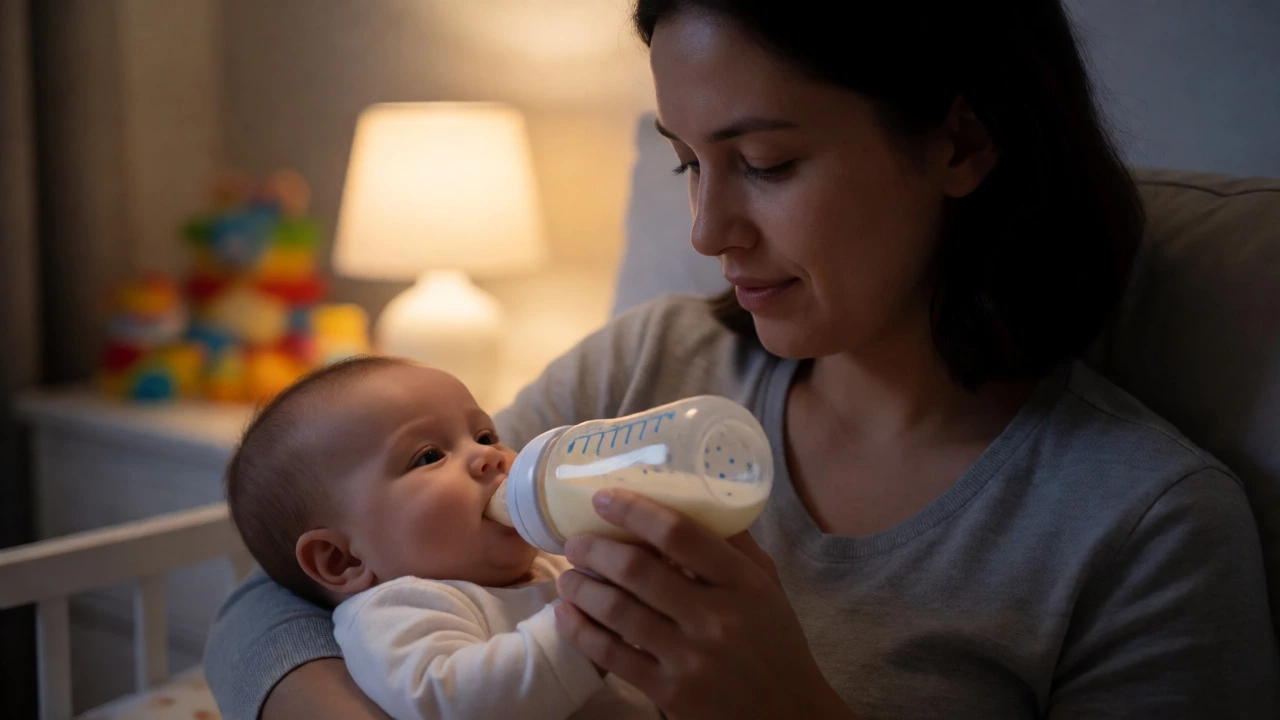
You’re up at 3 AM, eyes half-closed, shaking a bottle because you think your baby needs it warm. But here’s the thing: most babies are perfectly happy with room-temperature milk. In fact, many prefer it that way. The idea that every bottle must be heated to body temperature is one of those parenting myths that persists simply because we’ve always done it, not because it’s medically necessary.
If you’re wondering when you can finally ditch the bottle warmer or stop testing drops on your wrist in the dark, the answer is surprisingly flexible. It depends less on a strict age cutoff and more on your baby’s preferences and health status. Let’s break down exactly when you can stop warming bottles, how to transition safely, and what the science actually says about cold milk.
The Short Answer: There Is No Hard Age Limit
Unlike starting solids or dropping night feeds, there isn’t a developmental milestone that forces you to stop warming bottles. You can technically offer cold formula or breast milk straight from the fridge as early as day one if your baby accepts it. Many parents do this from birth to save time during those chaotic newborn nights.
However, most infants show a preference for warmth in the first few weeks. This is likely because they associate the warmth with the comfort of being held against a parent’s chest. As babies grow, usually between 4 and 6 months, their curiosity increases, and their tolerance for different temperatures often widens. By the time they are hitting solid foods around six months, many have already adapted to cooler liquids.
So, if you want to stop warming, you don’t need to wait for a birthday. You just need to observe your baby. If they drink the bottle happily without fussing, spitting out, or arching their back, they’re fine with the temperature change.
Why Do We Warm Bottles Anyway?
We warm bottles primarily for two reasons: comfort and habit. Biologically, human breast milk comes out at body temperature (around 98.6°F or 37°C). Formula, however, is mixed with water that might be cooler. Heating it mimics that natural experience.
But does it help digestion? Some parents believe warm milk digests faster. While there is a slight physiological argument that the body doesn’t need to expend energy heating the fluid internally, the difference is negligible for a healthy term baby. A premature infant or a baby with reflux might benefit slightly from consistent warmth, but for the average healthy baby, the digestive impact of drinking cool milk is minimal.
Furthermore, safety plays a role. Parents heat bottles to ensure any bacteria introduced during mixing are killed off, though proper hygiene makes this less critical than it used to be. If you use ready-to-feed liquid formula or properly stored expressed breast milk, reheating isn’t strictly required for safety once the initial preparation rules are followed.
How to Transition from Warm to Cold
If your baby has been exclusively drinking warm bottles, switching abruptly to ice-cold milk might cause a refusal. Babies are creatures of routine. To make the switch smoother, try a gradual approach:
- The Step-Down Method: Over the course of a week, reduce the heating time by a few seconds each day. If you normally heat for 30 seconds, try 25, then 20, until you reach room temperature.
- The Fridge Test: Offer a small amount of cold milk at a feed where your baby is particularly hungry. Hunger is a great motivator for trying new things.
- Observe Reactions: Watch for signs of discomfort. If they push the bottle away or cry immediately, they might genuinely dislike the temperature. Try again in a few days rather than forcing it.
Some babies adapt within three days; others take two weeks. Don’t stress if it takes longer. The goal is a fed baby, not a fast transition.
Safety Rules for Storing and Serving Unwarmed Milk
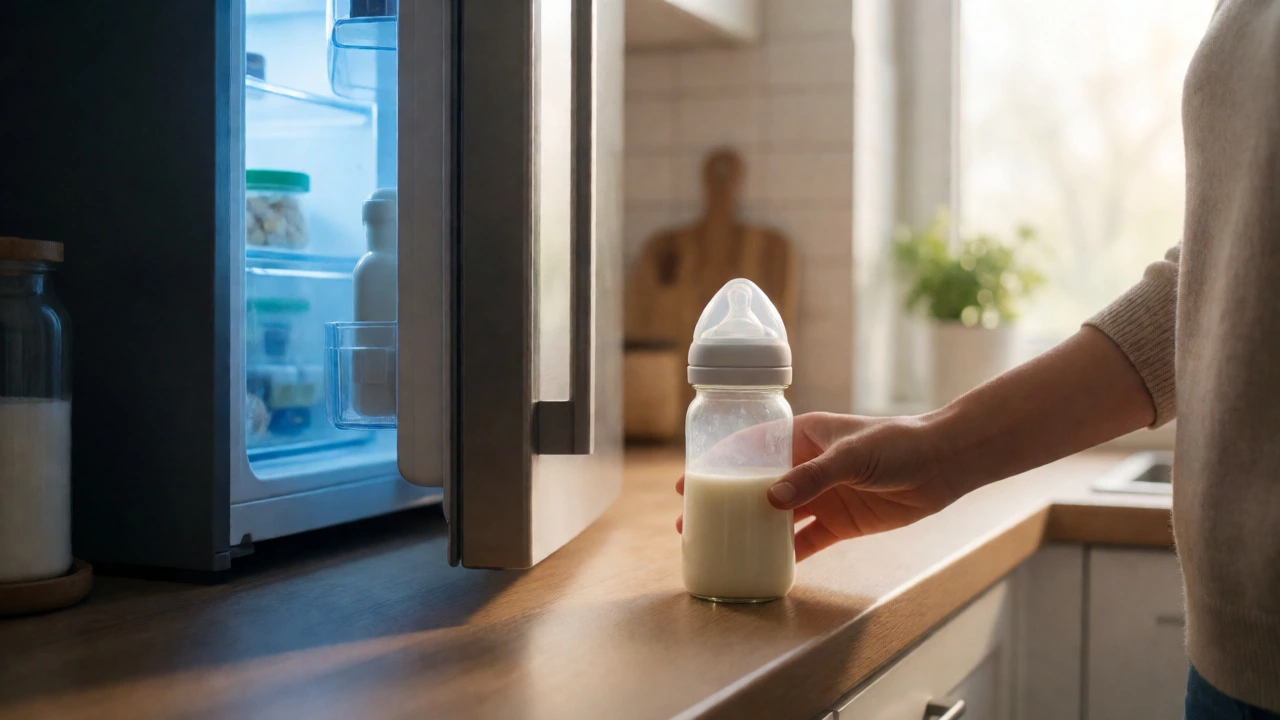
When you stop warming, storage rules become even more important because you aren’t killing potential bacteria with heat right before feeding. Here are the critical guidelines from health authorities like the NHS and CDC:
| Storage Location | Breast Milk | Prepared Formula |
|---|---|---|
| Room Temperature (up to 25°C) | Up to 4 hours | Up to 2 hours |
| Fridge (below 4°C) | Up to 4 days | Up to 24 hours |
| Freezer (-18°C) | Up to 6 months | Not recommended |
Notice the difference in prepared formula. Because formula contains nutrients that bacteria love, it spoils faster than breast milk, which has antibacterial properties. If you serve formula cold, ensure it was refrigerated immediately after preparation and consumed within 24 hours. Never leave a bottle of cold formula sitting on the counter for more than two hours.
Common Myths About Cold Milk
You’ll hear plenty of advice from well-meaning relatives. Let’s debunk the big ones.
Myth 1: Cold milk causes colic. Colic is rarely caused by temperature. It’s often linked to gut development, gas, or sensitivity to proteins. If your baby seems gassy, check your burping technique or formula ingredients before blaming the fridge.
Myth 2: You must reheat breast milk twice. Never reheat milk more than once. If you warm a bottle and the baby doesn’t finish it, discard the leftovers. Bacteria from the baby’s mouth enter the milk during feeding, and reheating creates a perfect breeding ground for them. If you plan to serve cold, skip the warming step entirely to avoid this issue.
Myth 3: Cold milk hurts teething gums. Actually, many parents find that cold bottles soothe inflamed gums better than warm ones. If your baby is teething, offering a slightly chilled bottle might provide relief, similar to a teething ring.
Special Considerations: When to Keep Warming
While most babies can handle cold milk, there are exceptions. Consult your pediatrician if your baby falls into these categories:
- Premature Infants: Preemies often struggle to regulate their own body temperature. Warm milk helps conserve their energy for growth and brain development.
- Low Birth Weight: Similar to preemies, smaller babies may burn calories trying to warm cold milk internally.
- Gastrointestinal Issues: If your baby has severe reflux or a sensitive stomach, sudden temperature changes might trigger discomfort. Stick to what works for them.
- Newborns Under 4 Weeks: Their immune systems are still developing. While cold milk isn’t dangerous, the consistency of warm milk can be comforting and easier to digest for some very young infants.
Troubleshooting Refusals
If your baby rejects cold bottles, don’t panic. Try these tweaks:
- Check the Nipple Flow: Sometimes the issue isn’t temperature but flow rate. Cold milk can feel thicker or move differently depending on the nipple type.
- Distraction Feeding: Offer the cold bottle during a busy time when they’re distracted by toys or people. They might not notice the temperature difference.
- Mix It Up: Alternate between warm and cold bottles. This prevents them from expecting only one temperature and builds flexibility.
Remember, every baby is different. What works for your friend’s child might not work for yours. Trust your instincts and your baby’s cues over rigid timelines.
Is it safe to give my newborn cold milk?
Yes, it is safe for healthy term newborns. However, many prefer it warm due to the association with maternal body heat. If your newborn drinks cold milk happily, there is no medical reason to warm it.
Does cold formula cause constipation?
There is no scientific evidence linking cold formula to constipation. Constipation is usually related to hydration levels, formula composition, or the introduction of solid foods, not the temperature of the liquid.
Can I put a warm bottle in the fridge?
It is best to cool hot formula quickly under running cold water before placing it in the fridge. Putting a large volume of hot liquid directly into the fridge can raise the internal temperature of the appliance, potentially compromising other stored foods.
How long does breast milk last at room temperature?
Freshly expressed breast milk can sit at room temperature (below 25°C) for up to 4 hours. If the room is hotter, aim for 2 hours to be safe. Always smell and check for separation before feeding.
Do older babies prefer cold milk?
Many toddlers begin to prefer cold drinks as they start eating solid foods and drinking from cups. Offering cold bottles can help ease the transition to cup drinking later on.