
Montessori Furniture Value Calculator
Ever walked into a nursery showroom and stopped dead in front of a Montessori-style low shelf or a tiny wooden table, only to check the price and feel your stomach drop? You’re not alone. A simple Montessori floor bed can cost £400. A basic child-sized table and chair set? Often over £300. Meanwhile, a plastic toddler chair from a big-box store runs under £50. So why the huge gap? It’s not just about branding. The cost comes from real differences in materials, design philosophy, and craftsmanship - not marketing fluff.
It’s Built to Last, Not to Replace
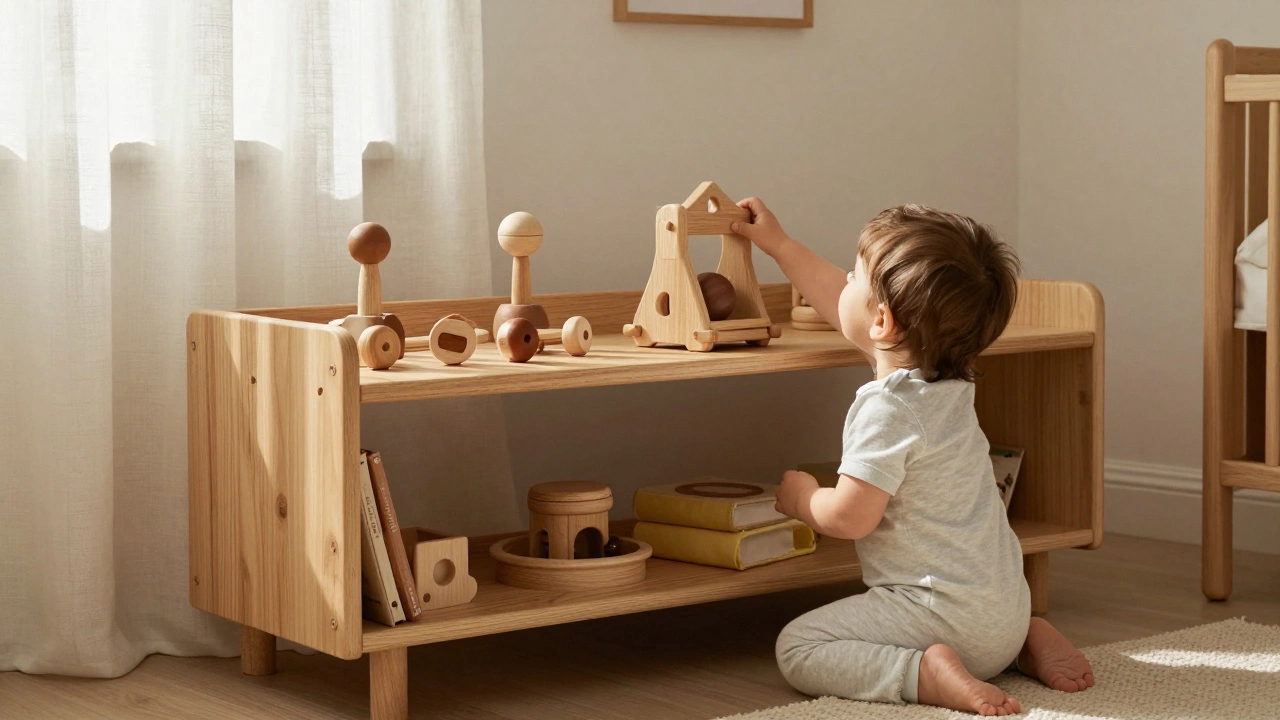
Most standard nursery furniture is made for short-term use. A crib is outgrown in two years. A plastic high chair gets tossed when the toddler learns to sit at the table. That’s the business model: low cost, fast turnover. Montessori furniture is the opposite. It’s designed to grow with the child - from 12 months to 6 years, sometimes longer. A well-made wooden low shelf doesn’t just hold books; it teaches independence. A child can reach their toys without help. That’s why it’s built with solid beech or oak, not particle board coated in thin veneer. The wood is sanded smooth by hand, not machine-pressed. Joints are mortise and tenon, not screws or glue that snap under a toddler’s weight. A child who uses the same shelf for five years doesn’t need a new one. That’s sustainability - not just for the planet, but for your wallet over time.Every Detail Serves a Purpose
Montessori isn’t just a style. It’s a philosophy rooted in child development research from the early 1900s. Dr. Maria Montessori noticed that children learn best when they can move freely and make choices. So furniture had to be scaled to them - not the other way around. A standard adult-sized table forces a child to hunch. A high crib requires climbing or lifting. Montessori furniture removes those barriers. The height of a chair? Exactly where a child’s feet can rest flat on the floor. The shelf? Low enough for a 2-year-old to pick out a book without a stool. The bed? On the floor so they can climb in and out safely. These aren’t random design choices. Each dimension is calculated based on average child proportions. That precision takes time. It means no mass production. Each piece is measured, cut, and assembled with intention - not speed.Handmade, Not Mass-Made
You won’t find Montessori furniture made on a factory assembly line in China. Most reputable brands are small workshops in Europe or North America. In Poland, a family-run business uses sustainably harvested wood from local forests. In Sweden, artisans hand-sand every edge to prevent splinters. In the UK, makers like Montessori Furniture Co. is a small Bristol-based workshop that builds custom low shelves and tables using FSC-certified oak. These makers don’t produce 10,000 units a month. They make 50. Each one is signed, dated, and inspected. That’s why delivery times are long - sometimes 8 to 12 weeks. You’re not just paying for wood. You’re paying for skilled labor, ethical sourcing, and small-batch production. It’s the same reason a hand-thrown ceramic mug costs more than a factory-made one. The difference is visible in the grain, the finish, the weight.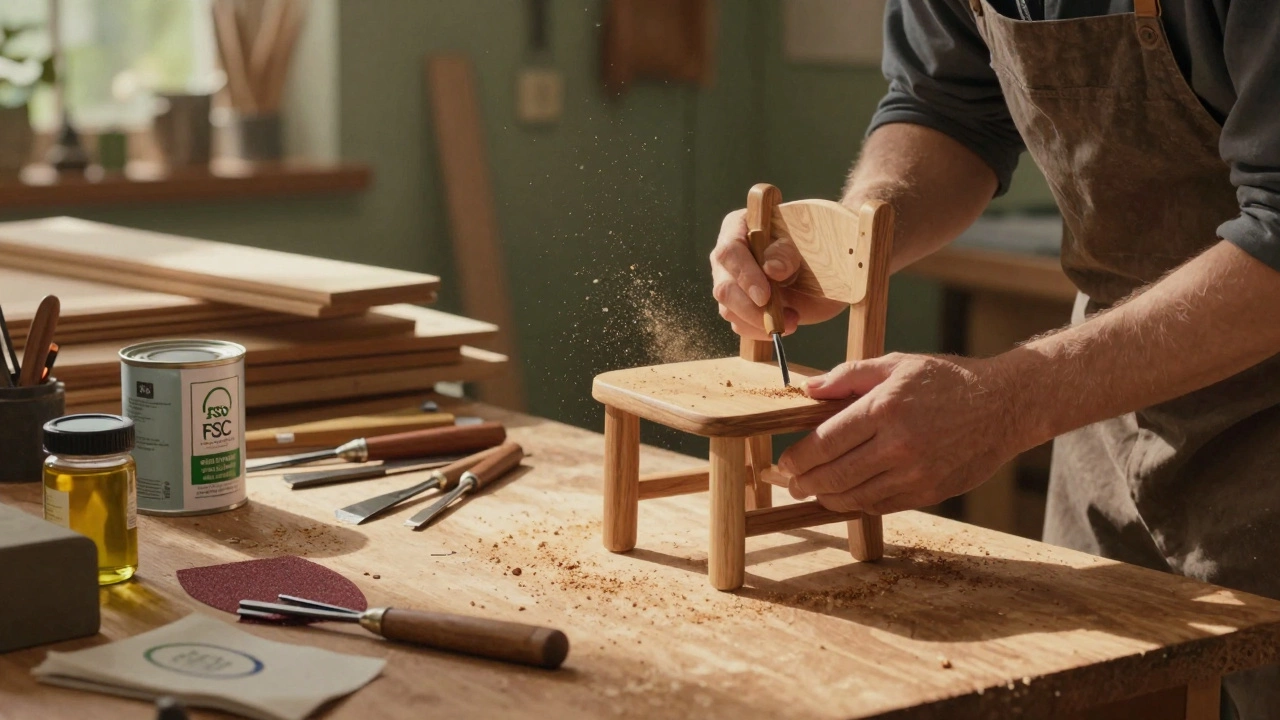
No Toxic Coatings, No Shortcuts
Cheap furniture often hides chemicals. Particle board is glued together with formaldehyde-based resins. Plastic finishes release VOCs. Paints can contain lead or phthalates. These aren’t just health risks - they’re especially dangerous for babies and toddlers who crawl, chew, and breathe close to the ground. Montessori brands avoid these entirely. Instead, they use non-toxic, food-grade oils like linseed or tung oil. Some use beeswax finishes. These are safe if a child licks the surface - and many do. The finish takes longer to apply, needs more coats, and requires more drying time. But it’s safe. It’s breathable. And it ages beautifully, darkening slightly over years instead of peeling or cracking. You’re paying for peace of mind - and that’s worth something when your child’s health is on the line.You’re Buying Independence, Not Just Furniture
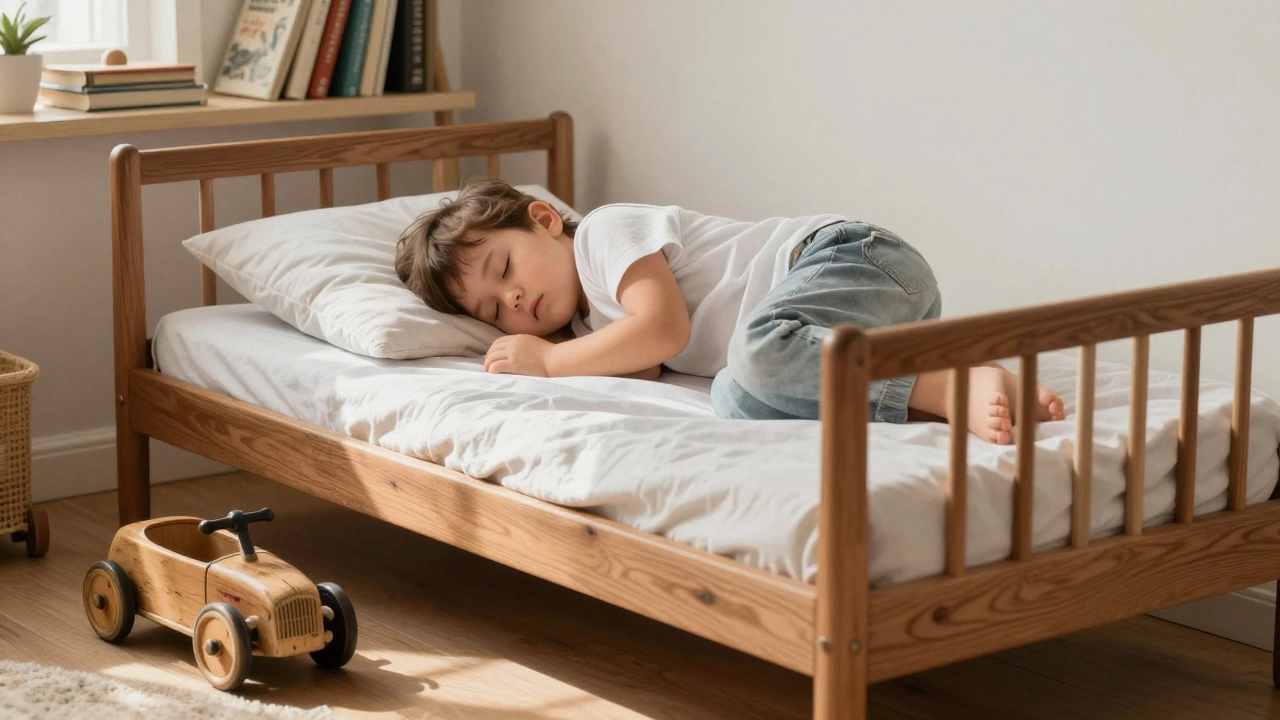
This is the most overlooked part. A Montessori shelf isn’t just storage. It’s a tool for development. When a child can choose their own toy, carry it to the floor, play, and put it back - they’re building decision-making skills, motor control, and responsibility. A low bed isn’t just a place to sleep. It’s a freedom zone. No bars. No gates. Just the ability to get up when they’re ready. Studies from the American Academy of Pediatrics is a leading medical organization that supports child-led environments for early development. show that children in environments with accessible, child-sized furniture develop better self-regulation and problem-solving skills by age three. That’s not something you can measure in pounds or pence. But it’s the real value. You’re not buying a piece of wood. You’re investing in your child’s autonomy.How to Spot Real Montessori Furniture
Not everything labeled "Montessori" is actually Montessori. Some companies slap the name on plastic toys or painted MDF shelves and charge double. Here’s how to tell the difference:- Material: Solid wood only - no MDF, plywood, or veneer. Ask for the wood type. Beech, oak, and birch are common.
- Finish: Natural oils or beeswax. Avoid glossy, plastic-like paints.
- Height: Furniture should match your child’s body. A chair seat should be 10-12 inches high for ages 1-3.
- Design: No sharp corners. Rounded edges are standard. No hardware sticking out.
- Transparency: Reputable makers list where wood is sourced and who makes it. If they won’t say, walk away.
Is It Worth It?
If you’re looking for something to last a few months, then no - it’s not worth it. But if you want furniture that supports your child’s growth, safety, and independence for years, then yes. Think of it like buying a good pair of shoes. A £20 pair wears out in six months. A £120 pair lasts three years and doesn’t hurt your feet. Montessori furniture works the same way. You pay more upfront, but you save money over time - no replacements, no toxic exposure, no guilt over landfill waste. And more importantly, you give your child the quiet gift of control over their own space.What You Get for the Price
For £350, you’re not just getting a table. You’re getting:- 20+ years of use (passed down to siblings or resale)
- Non-toxic, chemical-free materials
- Handcrafted joinery that won’t wobble or break
- Design proven to support cognitive and motor development
- Support for ethical, small-scale makers
- A piece that looks better with age, not worse
It’s not expensive because it’s trendy. It’s expensive because it’s done right.
Is Montessori furniture only for kids who go to Montessori schools?
No. Montessori furniture works for any home. The principles - independence, accessibility, and child-sized design - benefit all children, whether they’re in daycare, public school, or homeschooled. You don’t need to follow the full Montessori curriculum to use the furniture. Just giving your child access to their own space and tools makes a difference.
Can I make Montessori furniture myself?
Yes, if you have woodworking skills and tools. Many parents build low shelves, floor beds, or tables using FSC-certified wood and non-toxic finishes. Online tutorials from makers like The Montessori Parent is a well-known educator and DIY advocate who shares free plans for child-sized furniture. offer step-by-step guides. But it takes time, precision, and safety precautions. If you’re not experienced, buying from a trusted maker is safer and often more cost-effective when you factor in materials and mistakes.
Are there cheaper alternatives that still follow Montessori principles?
Yes. You can find affordable options by focusing on key pieces first. A low bookshelf and a floor bed are the most impactful. Look for secondhand wooden furniture on local buy-nothing groups or Facebook Marketplace. Sand and re-oil it with linseed oil. A used wooden chair from a thrift store, cleaned and sanded, can work perfectly. You don’t need a full set. Start with one or two items that give your child freedom of movement and access.
Does Montessori furniture come in different styles?
Yes. While the classic look is light wood with clean lines, modern makers offer darker stains, painted finishes (using non-toxic paint), and even minimalist metal frames. The style doesn’t matter as much as the function. As long as the height is right, the edges are safe, and the materials are non-toxic, it fits Montessori principles. Some brands even offer modular systems that grow with your child - adding shelves or extending tables as they get taller.
How do I clean and maintain Montessori furniture?
Wipe with a damp cloth and mild soap. Avoid harsh cleaners. Every few months, rub on a thin layer of food-grade mineral oil or beeswax to keep the wood hydrated. Don’t use wax on painted surfaces unless specified. Keep it away from direct sunlight and radiators to prevent cracking. With care, it can last decades - and often gets passed down to the next child.
Next Steps: Where to Start
If you’re ready to try Montessori furniture but don’t know where to begin, start here:- Identify one area where your child struggles for independence - maybe reaching toys, getting into bed, or choosing a book.
- Choose one piece that solves it - a low shelf, a floor bed, or a small table.
- Look for makers who use solid wood and non-toxic finishes. Check reviews for durability and customer service.
- Wait for sales. Many makers offer discounts in January or around Mother’s Day.
- Don’t buy everything at once. One intentional piece changes the whole dynamic of the room.
You don’t need to transform your whole house. Just one small change - a shelf your child can reach - can start a ripple effect. They’ll begin to make choices. They’ll learn to clean up. They’ll feel capable. And that’s worth more than any price tag.