Bassinet Transition Readiness Checker
Enter your baby's details and check off any physical signs below to see if it is time to switch from the bassinet mode.
Physical Development Signs
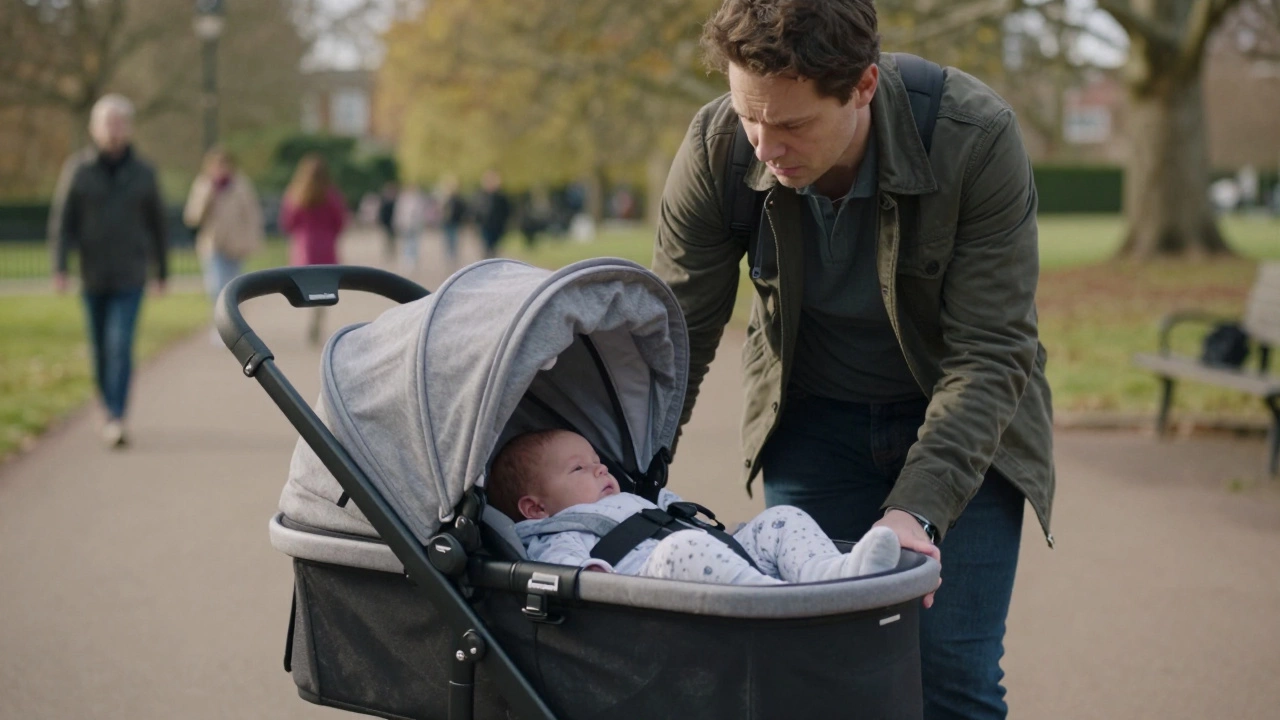
There is a specific moment every parent faces when looking down at their sleeping newborn. You are walking through the park, or perhaps rushing to the supermarket in Bristol, and you notice your baby’s legs are curling slightly against the sides of the bassinet stroller is a flat, horizontal sleeping compartment attached to a stroller frame designed for newborns who cannot yet sit up. It feels cozy, but something isn't right. That instinct is usually correct. Knowing exactly when to stop using that bassinet mode is not just about comfort; it is a critical safety decision.
Most parents know they need to transition eventually, but the exact timing often causes anxiety. Is it based on age? Weight? Or does it depend on how your baby moves? Getting this wrong can lead to suffocation risks or spinal strain. This guide breaks down the hard numbers, the physical signs, and the practical steps to make the switch safely.
The Hard Numbers: Weight and Age Limits
Manufacturers do not guess these limits. They test them rigorously. Every bassinet attachment has two non-negotiable metrics: maximum weight and recommended duration. These are printed on a tag inside the fabric or listed in the manual.
| Factor | Typical Limit | Why It Matters |
|---|---|---|
| Maximum Weight | 9 kg (20 lbs) | Exceeding this compromises the structural integrity of the frame and suspension. |
| Maximum Age | 6 months | By this age, most infants have developed sufficient neck control and mobility that lying flat becomes unsafe. |
| Height Limit | Head touching rim | If the baby's head reaches the top edge, there is no room for safe growth or air circulation. |
The 9 kg limit is the most common standard across major brands like Bugaboo, Uppababy, and Cybex. However, some premium models allow up to 13 kg (28 lbs). Always check your specific model. If your baby hits 9 kg before six months, you must switch. If they are still small at six months, you should still consider switching because developmental milestones matter more than size alone.
Physical Signs Your Baby Has Outgrown the Bassinet
Numbers are clear, but babies are not robots. Sometimes a baby is light but active. Other times, they are heavy but sleepy. You need to watch for behavioral cues that signal the end of the bassinet era.
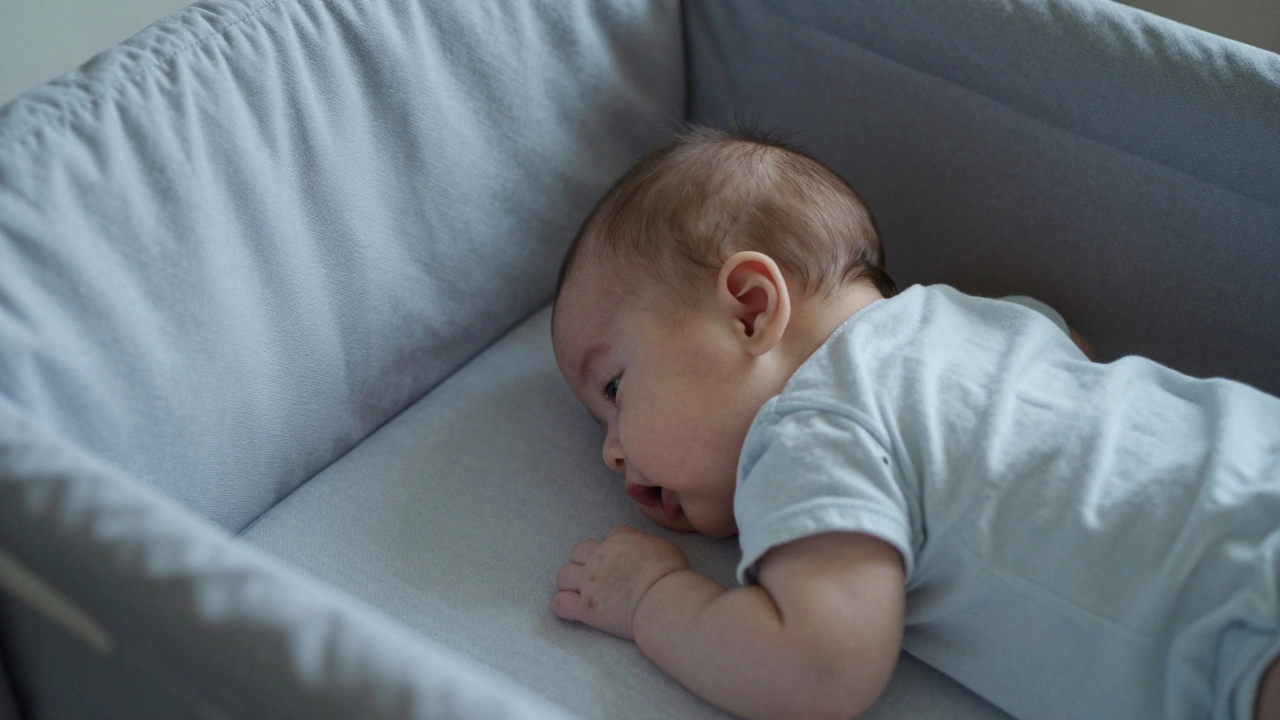
- Rolling Over: This is the biggest red flag. Once a baby attempts to roll from back to tummy, the bassinet becomes a hazard. In a confined space with soft padding, a rolled-over baby can face downward, restricting airflow. This is known as positional asphyxia risk.
- Sitting Up Unassisted: When your baby can hold their head up steadily and push themselves into a sitting position, their spine needs support that a flat surface cannot provide. A seated position in a regular stroller seat offers better ergonomic alignment for an active infant.
- Kicking Against Sides: If you hear thumping sounds or see your baby’s knees bent sharply against the fabric walls, they are physically uncomfortable. Their growing limbs need room to extend or move freely.
- Restlessness During Sleep: Newborns sleep deeply in bassinets. Older infants may wake frequently if they feel trapped or restricted. If naps become short and fitful only during walks, the environment is likely too confining.
Safety Risks of Keeping a Baby in a Bassinet Too Long
Why rush the transition? Why not keep the baby in the comfortable flat bed until they are huge? The answer lies in physics and biology.
A bassinet is designed for passive sleepers who lack motor skills. As babies grow, they gain strength. A strong baby in a lightweight bassinet can shift their center of gravity dangerously. If the bassinet is attached to a stroller frame, excessive movement can cause the entire unit to tip, especially on uneven terrain like gravel paths or cobblestones.
Furthermore, overheating is a real concern. Bassinets are often padded and enclosed to protect against wind and cold. For a larger, more active baby, this insulation can trap body heat. Overheating increases the risk of SIDS (Sudden Infant Death Syndrome). Transitioning to a breathable mesh stroller seat improves airflow significantly.
Choosing the Right Replacement: Seat Units vs. Carrycots
Once you remove the bassinet, what comes next? Most modern strollers come with a reversible seat unit. This is the direct replacement. However, some parents prefer a separate carrycot for home use while using the stroller seat for outings. Understanding the difference helps you plan.
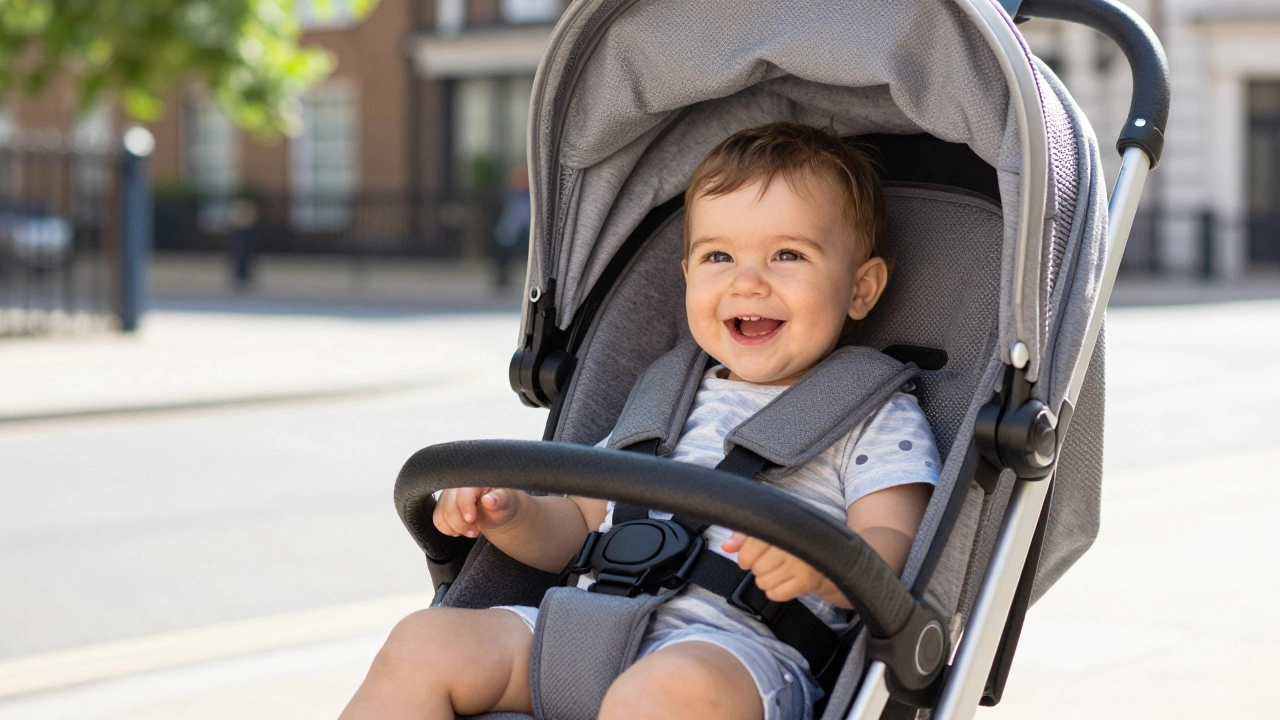
The stroller seat unit provides upright viewing. Babies love seeing the world. An upright position encourages visual tracking and social interaction. It also allows the baby to lean forward slightly, which supports natural posture development. Ensure the seat reclines fully if your baby still needs flat sleep for long journeys, but for daily walks, a semi-upright position is ideal.
If you are considering a second-hand bassinet, be cautious. Check the manufacture date. Safety standards change. A bassinet made ten years ago might not meet current flammability or structural tests. Always verify the expiry date stamped on the product.
How to Make the Transition Smoothly
Switching gear can be stressful for both parent and child. Here is a step-by-step approach to minimize tears and maximize cooperation.
- Introduce the Seat Early: Do not wait until the last day. Start by placing the baby in the stroller seat for short periods while you are at home. Let them get used to the new angle and the harness straps.
- Use Familiar Items: Place a favorite blanket or toy in the new seat. The scent and texture provide comfort during the change.
- Start with Short Walks: Take the new setup around the block. Keep the first few trips brief so the baby doesn’t get overtired or frustrated by the new sensation.
- Check the Harness: Ensure the five-point harness is snug but not tight. Babies hate feeling restrained, but safety requires secure fitting. Adjust the chest clip to armpit level.
- Monitor Recline Angle: If the baby falls asleep in the seat, recline it as much as possible. Never leave a baby sleeping in a fully upright position for extended periods without supervision.
Frequently Asked Questions
Can I use a bassinet stroller for a toddler?
No, you should never use a bassinet for a toddler. Bassinets are designed for infants under 6 months or 9 kg. Toddlers are too heavy, which can break the frame, and they are too mobile, which creates tipping and entrapment hazards.
Is it safe to let my baby sleep in the stroller seat after transitioning?
Yes, but with caution. Ensure the stroller seat reclines sufficiently to keep the airway open. Always buckle the harness securely. Avoid leaving the baby unattended in the stroller, especially if the stroller is on a slope or near traffic.
What if my baby is premature? Does the timeline change?
For premature babies, follow corrected age rather than chronological age. Consult your pediatrician. Generally, you can extend the bassinet use slightly if the baby remains small and immobile, but never exceed the weight limit printed on the device.
Can I wash the bassinet liner before storing it?
Yes, most liners are machine washable. Check the care label. Wash on a gentle cycle with mild detergent. Air dry completely before storing to prevent mold and mildew, which can damage the fabric and pose health risks later.
Do I need to buy a new stroller when outgrowing the bassinet?
Not necessarily. Most full-size strollers come with both a bassinet and a seat unit. If you bought a travel system, you likely already have the seat. If you bought a standalone bassinet attachment, you will need to purchase the compatible seat unit from the manufacturer.