
Car Seat Safety: What Every UK Parent Needs to Know
When it comes to protecting your child in the car, car seat safety, the set of practices and regulations designed to keep children secure during vehicle travel. Also known as child passenger safety, it’s not just about buying the right seat—it’s about using it right every single time. In the UK, the law is clear: children must use a car seat until they’re 12 years old or 135cm tall, whichever comes first. But too many parents think that if the seat is approved and installed, they’re done. That’s where things go wrong.
Car seat placement, where you position the seat in the vehicle. Also known as child safety seat UK positioning, it matters more than you think. The passenger side used to be the go-to spot, but crash data shows the rear middle seat is statistically safest—if your car allows it. And don’t just plop the seat in and call it good. The harness should be snug enough that you can’t pinch any slack at the shoulder. The chest clip? It needs to be at armpit level. These aren’t suggestions—they’re lifesavers. A loose harness can turn a minor collision into a serious injury.
Car seat laws, the legal requirements for child restraints in UK vehicles. They’re updated regularly, and outdated advice kills. Group 0+ seats for newborns must be rear-facing until at least 15 months. That’s not a suggestion—it’s the law. And while some parents switch to forward-facing too early because their baby "looks uncomfortable," research from the UK’s Department for Transport shows rear-facing reduces serious injury by up to 80% in crashes. Don’t rush it. Your child’s spine isn’t fully developed until age 4. Keep them rear-facing as long as the seat allows.
And don’t forget the basics: no bulky coats under the harness. A winter coat can compress in a crash, leaving the straps too loose. Instead, dress your child in thin layers and tuck a blanket over them after securing the harness. Never use aftermarket products like head supports or strap covers unless they’re approved by the seat manufacturer. Those can interfere with the seat’s safety design.
You’ll find posts here that break down exactly where to place the seat—driver side vs. passenger side—and why one might be better depending on your car model. You’ll see real-life examples of what happens when seats are installed wrong, and how to check your own installation with a simple pinch test. There are guides on when to move from a baby carrier to a toddler seat, and why height matters more than age. You’ll even find advice on second-hand seats: when they’re safe to use, and when they’re a ticking time bomb.
This isn’t about fear. It’s about control. You can’t control traffic, but you can control how your child is secured. Every one of these posts comes from real UK parents who’ve been there—checking straps, reading manuals, second-guessing themselves. You’re not alone. And with the right info, you can drive with confidence, knowing your child is as safe as possible on every journey.

When Can I Switch My Child from a Car Seat to a Booster Seat? UK Guide 2025
Find out exactly when to switch your child from a car seat to a booster seat in the UK. Learn the legal requirements, safety tips, and common mistakes to avoid in 2025.
view more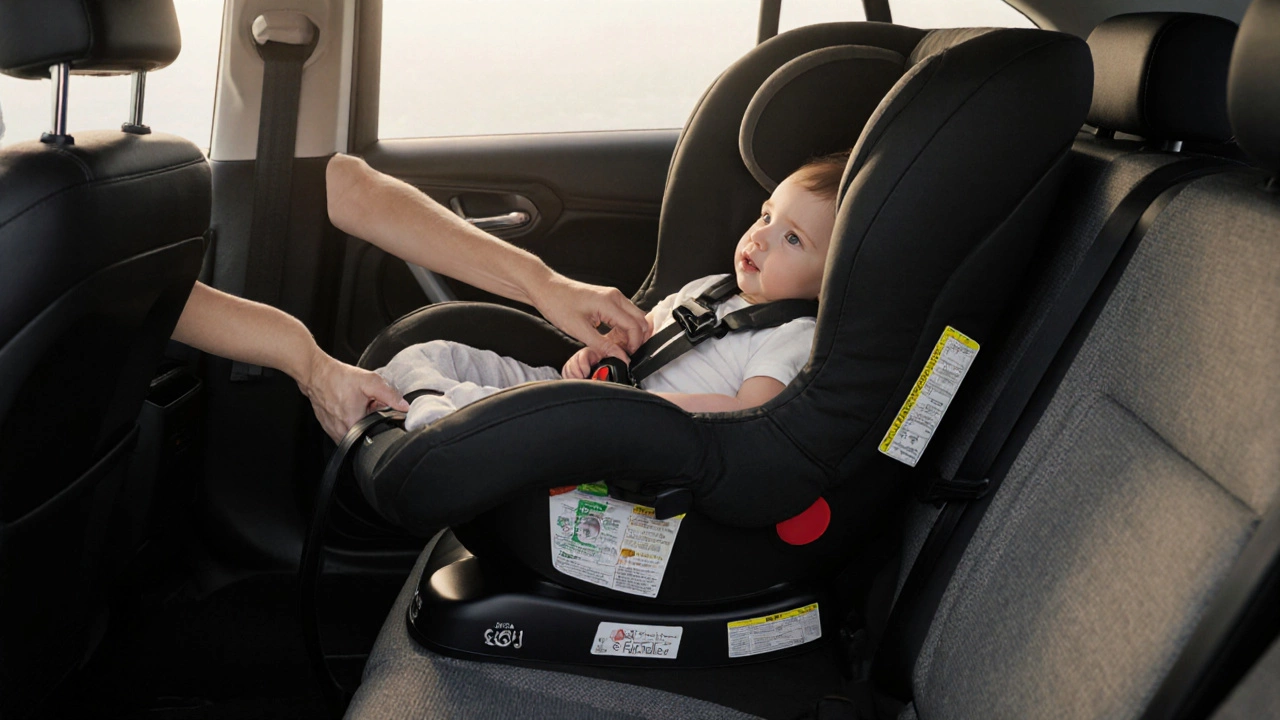
What Is So Special About the Nuna Car Seat?
The Nuna car seat stands out for its safety-focused design, easy installation, and durable comfort. Parents praise its one-hand adjustments, machine-washable fabrics, and FAA approval. It's not the cheapest, but it's built to last.
view more