
British English: What It Means for UK Parents and Kids
When we talk about British English, the standard form of English used in the United Kingdom, including its spelling, grammar, and vocabulary distinct from American English. Also known as UK English, it’s not just about how words are written—it’s how children learn to read, write, and speak every day in schools, books, and at home. If you’ve ever been confused why your child writes ‘colour’ instead of ‘color’ or says ‘lorry’ instead of ‘truck,’ you’re seeing British English in action. It’s not a dialect you choose—it’s the language your child lives in.
British English affects everything from the books your toddler reads to the instructions on their school worksheets. Take UK spelling, the set of orthographic rules used in the UK, including -our endings (colour), -re endings (theatre), and double consonants (travelled). These aren’t just quirks—they’re the standard. If you’re buying books online from international sites, you might get American versions without realizing it. That’s fine for comprehension, but when your child starts writing essays, they’ll need to match UK expectations. Same goes for UK vocabulary, words commonly used in the UK that differ from American English, like ‘biscuit,’ ‘nappy,’ or ‘boot’ (of a car). A child who hears ‘diaper’ on TV but ‘nappy’ at home might get confused. Consistency helps them build confidence.
It’s not just about words. British English shapes how kids understand instructions, follow storylines in picture books, and even interact with educational apps. Many free book programs like Bookstart or library story times use UK English exclusively. If your child is learning to read with phonics, the sounds taught are aligned with British pronunciation—‘z’ is ‘zed,’ not ‘zee.’ That matters when they’re sounding out letters. Even simple things like ‘maths’ instead of ‘math’ or ‘trousers’ instead of ‘pants’ become part of their mental vocabulary. And yes, it’s okay if they pick up a few American words from YouTube or Netflix. But when it comes to school, exams, and writing, British English is the rule.
You don’t need to be a language expert to support your child. Just notice the difference. When you buy a book, check the publisher. When you print worksheets, make sure they’re set to UK English. If your child asks why ‘grey’ and ‘gray’ both exist, tell them it’s just how things are done here. You’re not teaching grammar—you’re helping them feel at home in their own language.
Below, you’ll find real guides from UK parents who’ve navigated exactly these questions: when to correct spelling, how to handle mixed influences, and which books stick to British English. Whether you’re raising a toddler learning to talk or a school-aged child writing essays, these posts give you practical, no-nonsense advice—straight from the UK.
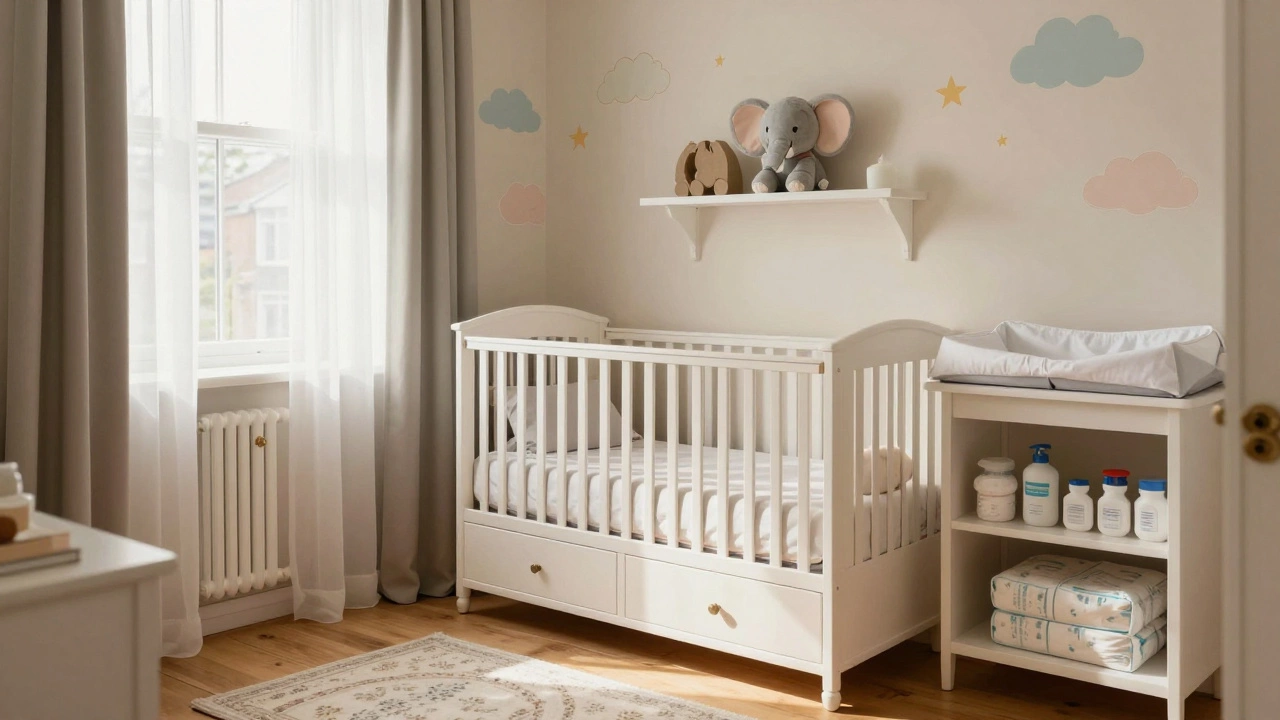
What Do Brits Call a Bedroom? The Real Words Used for Kids' Rooms in the UK
In the UK, children's rooms are called nurseries until around age three, then become bedrooms. Learn how British families label kids' spaces and what furniture to buy for each stage.
view more