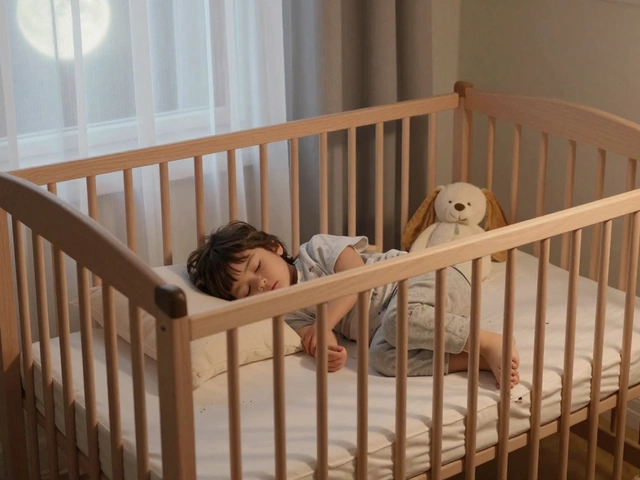
Toddler Safety Solutions: Practical Tips for UK Parents
When it comes to toddler safety solutions, practical, evidence-backed steps to protect young children in everyday situations. Also known as child safety measures, these aren’t just rules—they’re the quiet habits that keep your little one safe while letting them explore the world. From sleep to car rides to daily outings, safety isn’t about fear—it’s about knowing the right time to make a change.
Take sleep sacks, wearable blankets designed to keep toddlers warm without loose fabric that can cover the face. Also known as sleepwear sacks, they’re a go-to for parents until their child starts climbing out of the crib or shows signs of being ready for a blanket. But switching too early or too late can risk overheating or suffocation. The same goes for car seats, rear-facing or forward-facing restraints built to protect children in crashes. In the UK, laws change based on height and weight—not just age—and many parents switch to booster seats, elevated seats that position seat belts correctly across a child’s body. Also known as belt-positioning boosters, they’re not a reward for being "big enough"—they’re a safety upgrade only when the seat belt fits right.
Then there’s the baby carrier, a wearable device that holds infants and toddlers close during movement. Also known as baby slings or wraps, they’re amazing for bonding and hands-free living—but they’re not meant for all-day use. Once your toddler hits 20+ pounds or starts squirming out of position, it’s time to consider a stroller that supports their growing spine and gives them room to move. And while we’re on the topic of movement, did you know that where you place a car seat in the car matters? The passenger side is often safer for access and visibility, but it’s not just about convenience—it’s about crash protection.
You’ll find posts here that cut through the noise. No vague advice like "just watch your child." Instead, you’ll get clear signs: when your toddler’s legs are dangling over the edge of the car seat, when they’re kicking out of the sleep sack every night, when they’ve outgrown the carrier’s weight limit. These aren’t guesses—they’re based on UK safety guidelines, pediatric feedback, and real parent experiences.
There’s no one-size-fits-all timeline. Some kids are ready for a blanket at two. Others need a sleep sack until they’re four. Some can use a booster seat at four. Others need a harness until five. What matters isn’t the calendar—it’s the fit, the behavior, and the safety standards. This collection gives you the facts so you can make the call without second-guessing yourself.
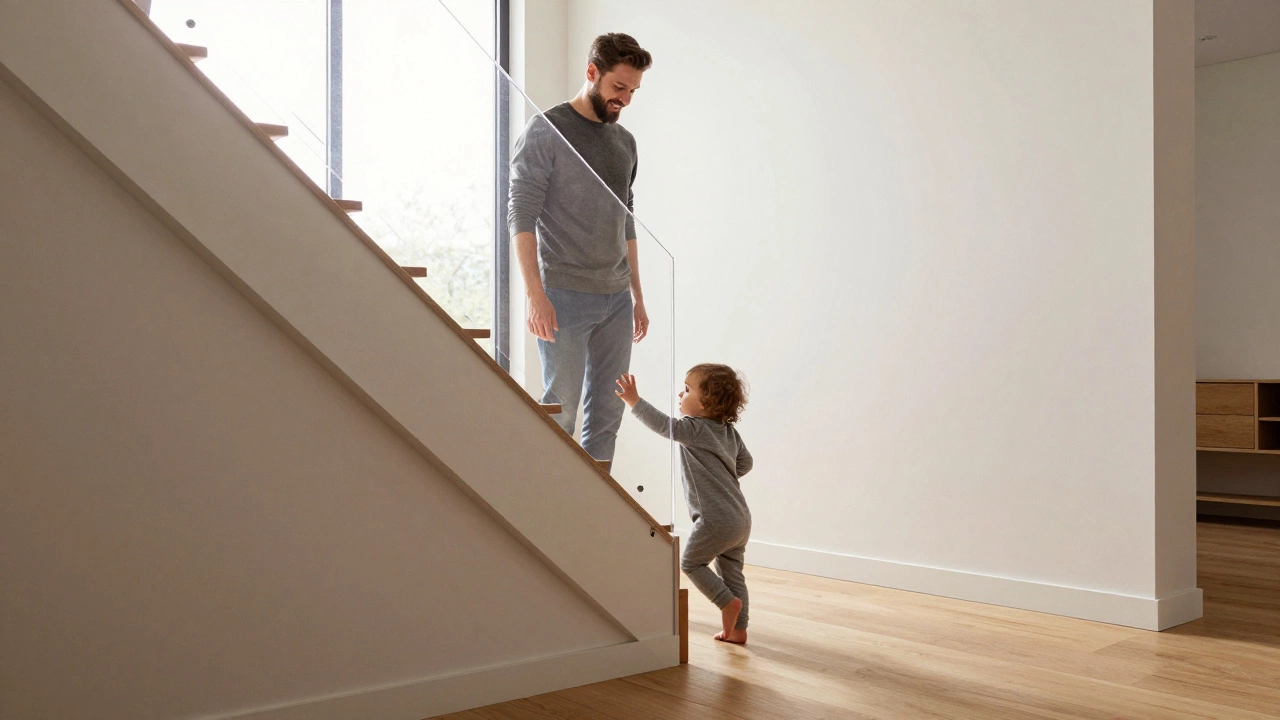
What is an alternative to stair gates for kids?
Stair gates aren't always the best solution for toddler safety. Discover five proven alternatives - from glass railings to door alarms - that work better on curved stairs, rentals, or for active climbers.
view more