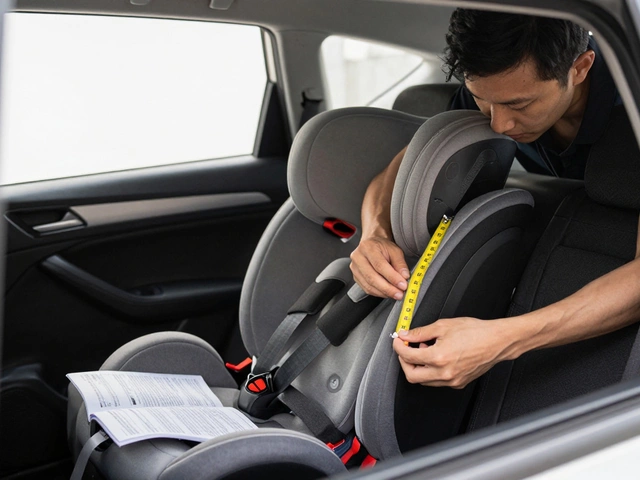
Best Infant Car Seat: Safety, Types, and What UK Parents Really Need
When it comes to protecting your baby on the road, the best infant car seat, a specially designed restraint system built for babies under 12 months. Also known as rear-facing car seat, it’s not just a piece of baby gear—it’s the law in the UK and the single most important safety device you’ll use daily. Every parent wants peace of mind, but with so many options—from i-Size to Group 0+ seats—it’s easy to feel overwhelmed. The truth? Not all car seats are made equal, and the one that looks fanciest isn’t always the safest.
What really matters? How it fits your car, how it holds your baby’s head and spine, and whether it’s installed correctly. Many parents don’t know that car seat placement, where you put the seat in the vehicle. Also known as child safety seat position, it can make a huge difference. In the UK, the back seat is always safest, but between driver and passenger side? Data shows the passenger side is slightly safer for side-impact crashes, and it’s easier to access for buckling and soothing. And don’t forget: baby car seat laws, UK regulations that require babies to use a rear-facing seat until they’re at least 15 months old—this isn’t a suggestion, it’s mandatory. Skipping it isn’t just risky, it’s illegal.
Some seats claim to be "all-in-one" or "convertible," but for newborns, a dedicated infant carrier with a five-point harness and side-impact protection is still the gold standard. Look for seats that meet the R129 (i-Size) standard—it’s newer, stricter, and tests for side crashes. Avoid secondhand seats unless you know their full history. A seat that’s been in a crash, even a minor one, could have hidden damage. And while you’re at it, check the weight limits. A 10-pound baby? That’s above average, and not every seat handles it the same.
Here’s what most parents miss: the car seat isn’t just for the car. It’s also used as a portable seat at home, in shops, or at the park. That’s why comfort, ease of carry, and a good handle design matter. A seat that’s hard to lift or awkward to clip into the base won’t get used right. And don’t forget the base—many UK parents swear by the Isofix base for quick, secure installation. No wobble. No guesswork.
What you won’t find in the ads? The truth about how long your baby can safely stay in the seat. Experts say no more than 2 hours at a time—even if your baby sleeps through it. Their spine is still developing, and being in a semi-upright position for too long can affect breathing and posture. That’s why many parents pair their car seat with a baby carrier, a wearable device that lets you carry your infant close while keeping your hands free. Also known as infant carrier, it for short trips around the house or walks in the park.
Below, you’ll find real advice from UK parents who’ve been there: what seats worked, what didn’t, which ones passed crash tests, and which ones turned out to be expensive mistakes. No fluff. No marketing hype. Just what you need to know before you buy.
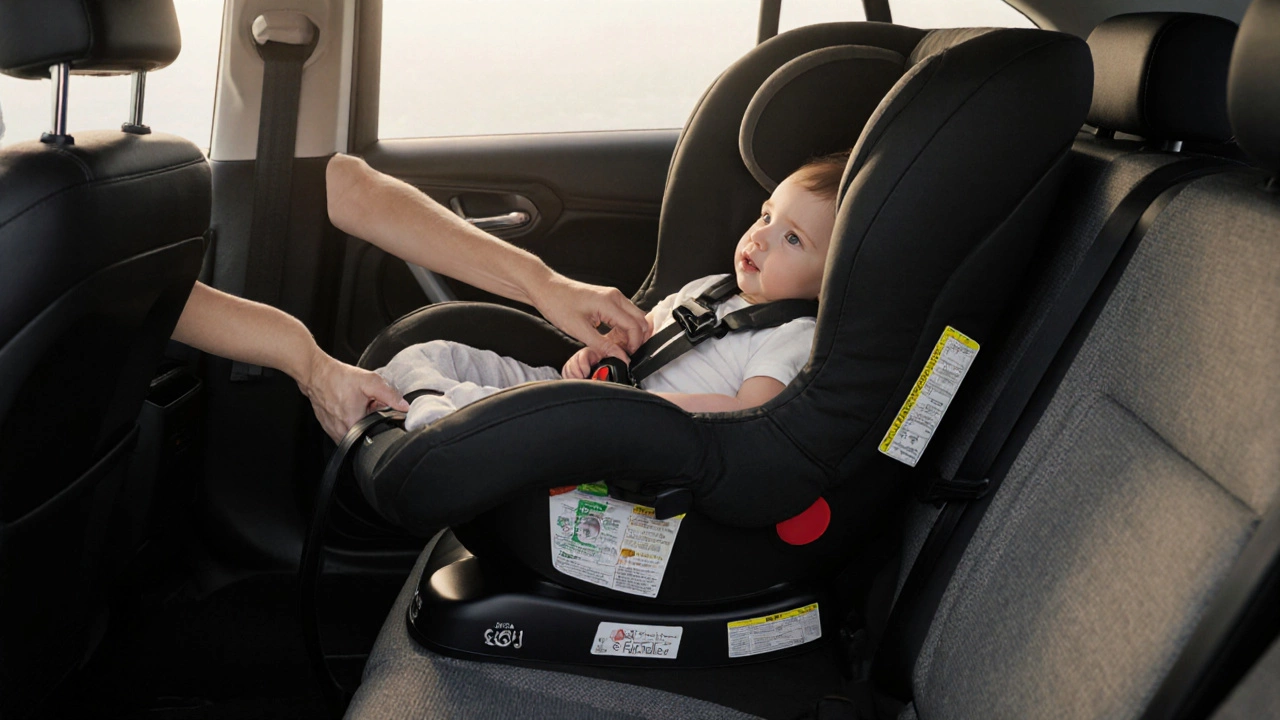
What Is So Special About the Nuna Car Seat?
The Nuna car seat stands out for its safety-focused design, easy installation, and durable comfort. Parents praise its one-hand adjustments, machine-washable fabrics, and FAA approval. It's not the cheapest, but it's built to last.
view more