Newborn Blanket Selector
Enter Your Baby's Info
Your Recommendations
Enter information above to see your recommendations
Choosing the right blanket for a newborn isn’t just about softness-it’s about safety, temperature control, and how well it supports their developing body. Too thick, and you risk overheating. Too thin, and they’ll shiver. The wrong material can trap heat or irritate delicate skin. With so many options on the shelf, it’s easy to feel overwhelmed. But the truth is, you don’t need a dozen blankets. You need just a few that do the job right.
What Makes a Blanket Safe for Newborns?
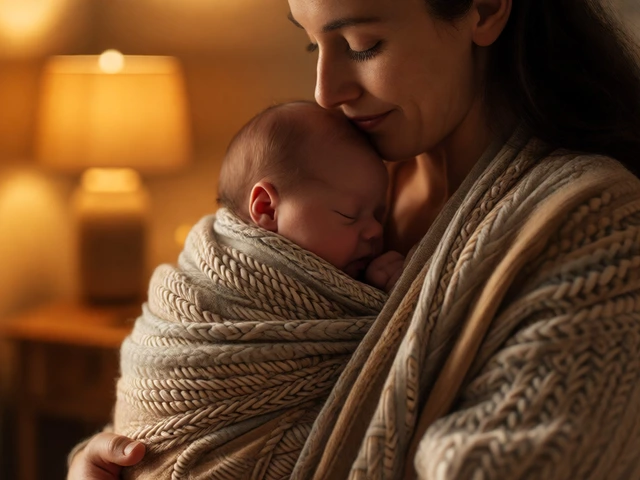
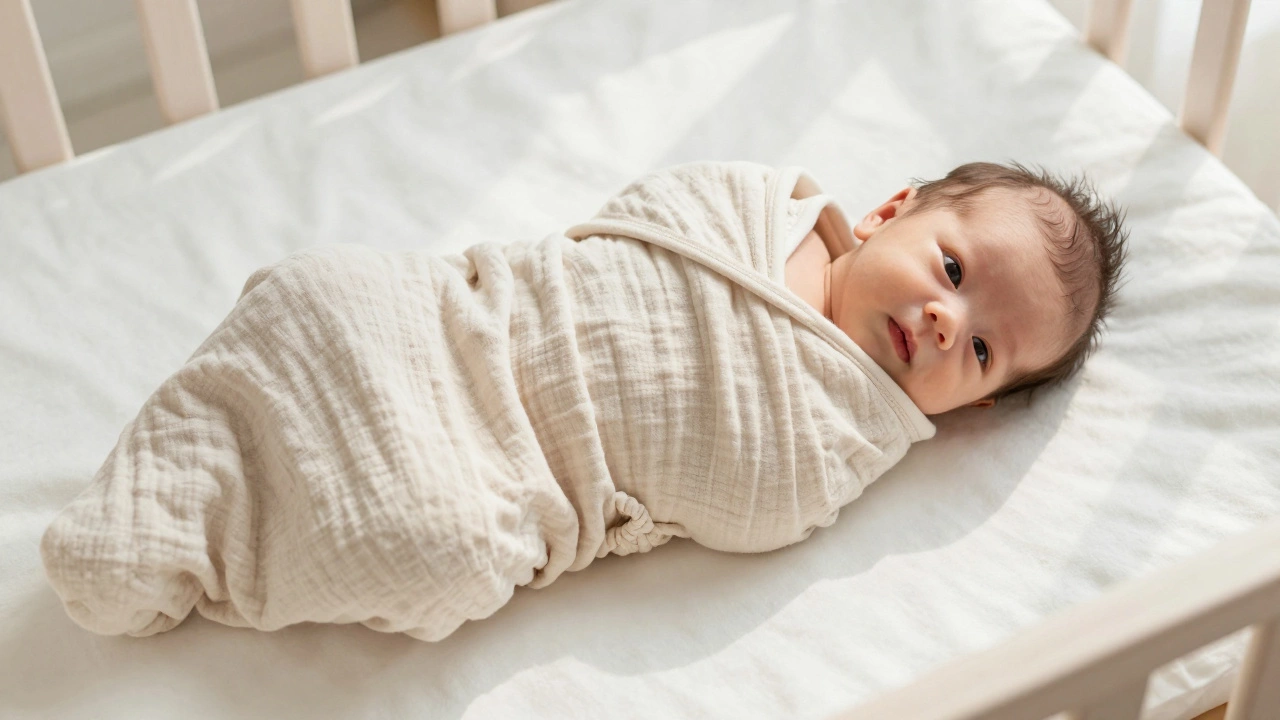
The American Academy of Pediatrics (AAP) says the safest sleep environment for a baby under one year is a bare crib: no pillows, no stuffed animals, and no loose blankets. But swaddling? That’s different. Swaddling mimics the snugness of the womb and helps calm newborns by reducing the startle reflex. The key is using the right kind of blanket and doing it correctly.
Loose blankets in the crib are a suffocation hazard. That’s why sleep sacks and wearable blankets are now the standard for safe sleep. But if you’re swaddling, you need a blanket that’s lightweight, breathable, and stays put without tucking too tightly. Muslin cotton is the top choice for most pediatricians and parents alike. It’s thin, airy, and gets softer with every wash. A 40x40 inch size is ideal-it’s big enough to wrap securely but small enough to avoid excess fabric that could come loose.
Best Materials for Newborn Blankets
Not all fabrics are created equal when it comes to newborns. Here’s what works-and what doesn’t.
- Cotton muslin: The gold standard. Lightweight, breathable, and naturally temperature-regulating. It won’t trap heat, even on warmer days. Brands like Aden + Anais and Burt’s Bees use 100% organic cotton muslin, which is gentle on sensitive skin.
- Organic cotton flannel: Good for colder months. Thicker than muslin but still breathable. Avoid flannel with synthetic blends-they can cause static and don’t wick moisture well.
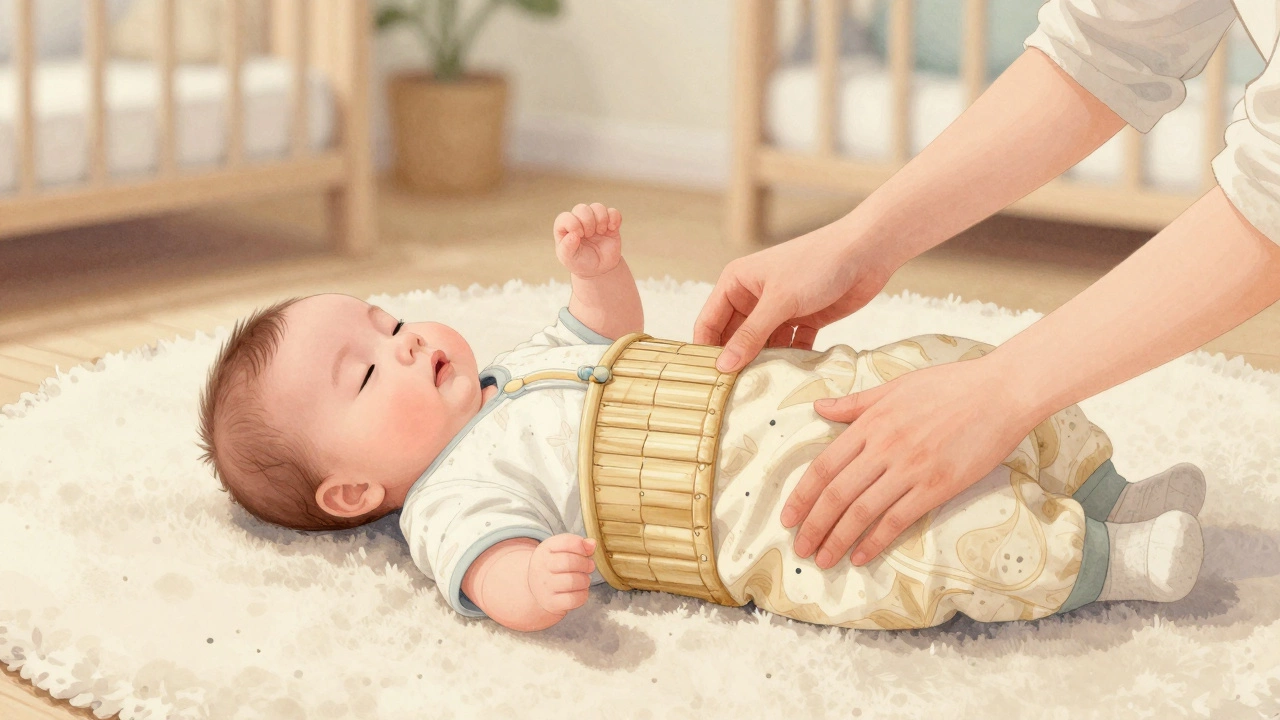
- Bamboo viscose: Softer than cotton and naturally antibacterial. It’s a great option if your baby has eczema or sensitive skin. Just make sure it’s certified OEKO-TEX, which means no harmful dyes or chemicals.
- Fleece and polyester: Avoid these. They trap heat and don’t breathe. Even if they feel cozy, they can cause your baby to overheat, which is linked to increased SIDS risk.
- Wool: Surprisingly, fine merino wool is safe and excellent for regulating temperature. It wicks moisture and keeps babies warm without overheating. But it’s not for everyone-some babies find it itchy. Test a small swaddle first.
Swaddle vs. Sleep Sack: Which One Do You Need?
Many parents think they need both. You don’t. You need one that fits your baby’s stage.
Swaddle blankets are for newborns up to about 2-3 months, when the Moro reflex is strong. They’re used to wrap the baby snugly with arms down. Once your baby starts rolling or trying to break free, it’s time to stop swaddling. Loose fabric around a rolling baby is dangerous.
Sleep sacks are the next step. They’re wearable blankets with armholes and no loose fabric. They’re safe for babies who can roll, and they come in different TOG ratings (thermal insulation levels). For newborns in a cool room, a 1.0 TOG sleep sack made of cotton or bamboo is perfect. In winter, bump up to 2.5 TOG if the room is below 68°F.
Many parents start with swaddles and transition to sleep sacks around 8-12 weeks. There’s no rush. Watch your baby’s cues. If they’re fighting the swaddle or pushing their arms out, it’s a sign they’re ready for more freedom.
How Many Blankets Do You Actually Need?
You don’t need a closet full. Start with these basics:
- Two to three muslin swaddle blankets (40x40 inches). Use one for swaddling, one as a cover during feedings, and one as a burp cloth.
- One lightweight sleep sack (1.0 TOG) for everyday use.
- One heavier sleep sack (2.5 TOG) for colder nights or winter months.
- One receiving blanket (30x30 inches) for quick wipes or car seat covers.
That’s it. You’ll wash these often-babies spit up, drool, and have accidents. Having at least two of each lets you rotate them without running out. Don’t buy 10 swaddles thinking you’ll need them. You won’t.
How to Wash Newborn Blankets Properly
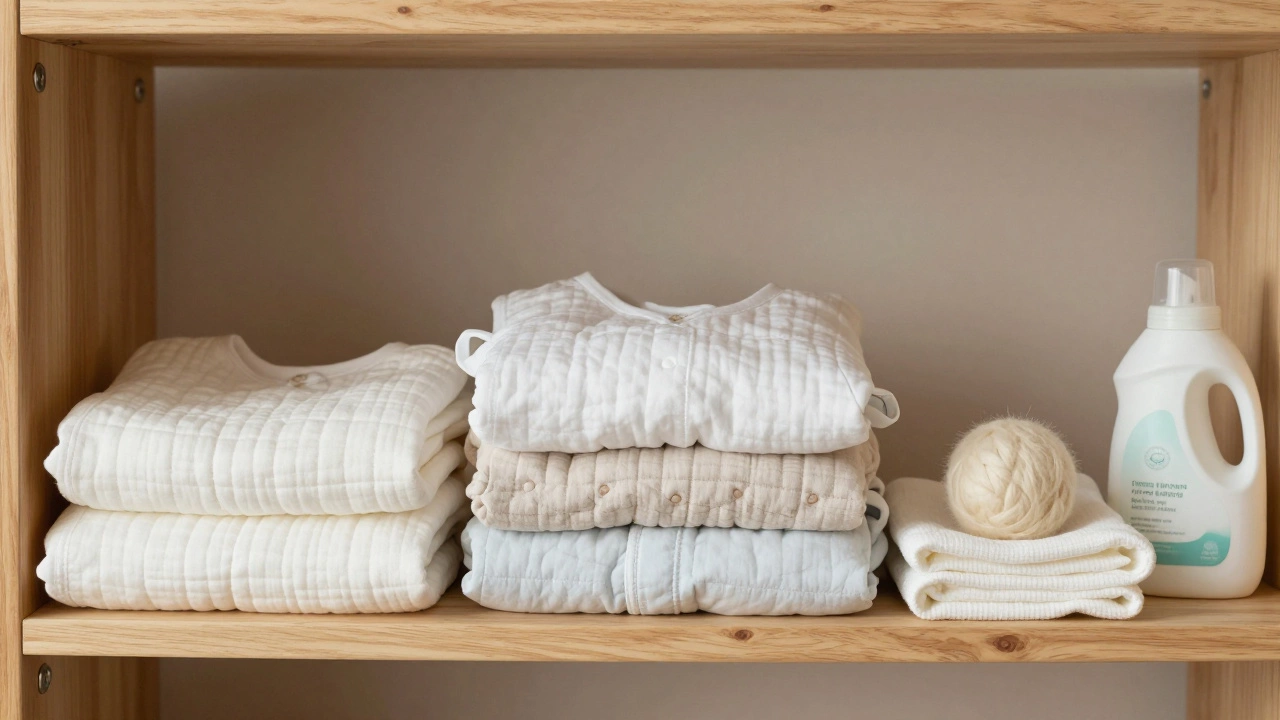
Wash new blankets before first use. New fabrics have finishes and chemicals that can irritate a baby’s skin. Use a gentle, fragrance-free detergent. Avoid fabric softeners-they coat fibers and reduce breathability. Line dry if possible, or tumble dry on low. High heat can shrink cotton and damage elastic in swaddle wraps.
Don’t use dryer sheets. They leave residue that can trigger rashes. If you’re worried about static, throw in a clean wool dryer ball. It softens clothes naturally and reduces drying time.
Common Mistakes Parents Make
Even experienced parents slip up. Here are the most common errors:
- Swaddling too tight: You should be able to fit two fingers between the blanket and your baby’s chest. Too tight can restrict breathing or cause hip dysplasia.
- Using a thick blanket in a warm room: Room temperature should be 68-72°F. If it’s above 75°F, skip the blanket entirely. Dress your baby in a onesie and sleep sack only.
- Leaving a loose blanket in the crib: Even if you think it’s tucked in well, babies can kick it loose. Always use a sleep sack once they’re past the swaddling stage.
- Buying decorative blankets: Those fancy embroidered or quilted blankets look beautiful-but they’re not safe for sleep. Save them for photos.
What to Look for When Buying
Before you click buy, check these three things:
- Material: 100% cotton, bamboo, or merino wool. Avoid polyester blends.
- Size: 40x40 inches for swaddles. Smaller ones won’t wrap well. Larger ones are risky.
- Certifications: Look for OEKO-TEX Standard 100 or GOTS (Global Organic Textile Standard). These mean no toxic dyes or pesticides.
Price doesn’t matter as much as quality. A $15 muslin swaddle from a trusted brand will outlast a $40 one with synthetic fibers. Stick to brands that specialize in baby textiles-don’t buy from random sellers on marketplaces without reviews.
Real-Life Tip: The 3-Second Test
Here’s how to know if your baby is too hot or too cold: feel the back of their neck. If it’s sweaty or hot, they’re overdressed. If it’s cool, add a layer. Don’t check their hands or feet-they’re always cooler. The neck tells the real story.
Also, watch for signs of overheating: flushed cheeks, rapid breathing, damp hair, or a heat rash. These aren’t normal. Adjust immediately.
Final Thought: Less Is More
When it comes to newborn blankets, simplicity wins. You don’t need fancy designs, layers, or extra accessories. Just a few well-chosen, breathable, safe blankets-and the confidence to use them right. Your baby doesn’t need a wardrobe of blankets. They need you to keep them warm, calm, and safe. That’s it.
Can I use a fleece blanket for my newborn?
No. Fleece blankets trap heat and don’t allow air to circulate, which can cause your baby to overheat. Overheating is a known risk factor for SIDS. Stick to breathable materials like cotton muslin, bamboo, or merino wool.
When should I stop swaddling my baby?
Stop swaddling as soon as your baby shows signs of rolling over, even if it’s just from back to side. This usually happens between 2 and 4 months. Once they can roll, a loose swaddle can become a suffocation hazard. Switch to a sleep sack with arms free at that point.
Is a receiving blanket the same as a swaddle blanket?
Not exactly. Receiving blankets are usually smaller (30x30 inches) and thinner. They’re great for burping, covering in the car seat, or as a light cover. Swaddle blankets are larger (40x40 inches) and designed specifically to wrap snugly around the baby. You can use a receiving blanket to swaddle, but it’s harder to keep secure.
What TOG rating should my baby’s sleep sack have?
For most homes, a 1.0 TOG sleep sack is ideal for temperatures between 68-72°F. If your house is cooler (below 65°F), use a 2.0-2.5 TOG. In warmer rooms (above 75°F), skip the sleep sack and just use a onesie. Always check your baby’s neck temperature to adjust.
Can I reuse blankets from an older sibling?
Yes-if they’re in good condition and made of safe materials like cotton or bamboo. Wash them thoroughly before use. Avoid blankets that are frayed, thin, or have loose threads. Also, don’t reuse swaddles that were used with a baby who had eczema or allergies unless you’re sure the fabric hasn’t retained irritants.